
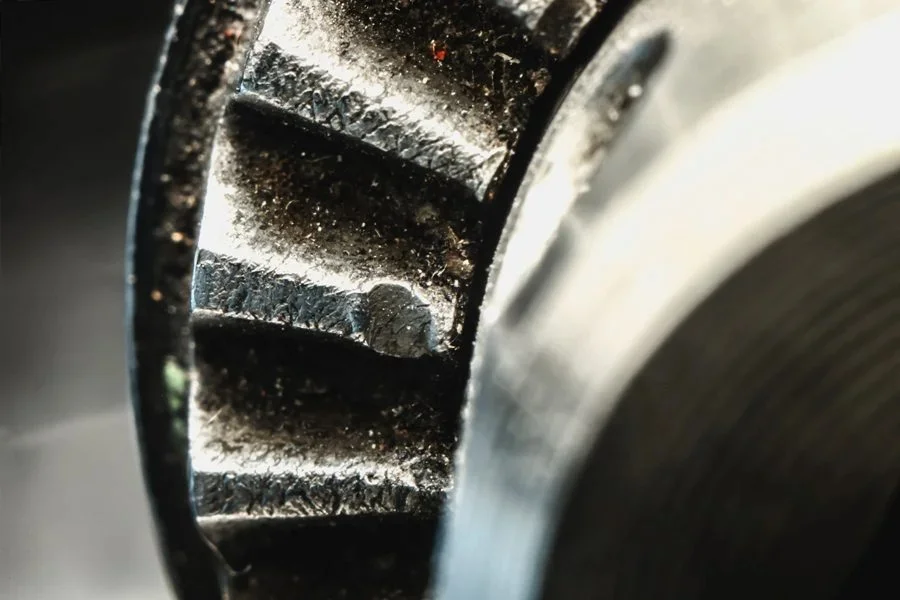
Most people don’t see the inside of the products they use every day. They rely on the belief that vehicle parts, household appliances, medical devices, power tools, and child safety products have been put together correctly and tested before being sold. This trust seems reasonable because the products look normal, work well at first, and don’t show any obvious problems. However, serious injuries can result from small manufacturing mistakes hidden deep within otherwise ordinary items.
That is what makes product liability cases so troubling. A loose connection, a contaminated material, a missing fastener, a weak seal, or a misaligned component may seem minor during production, but the consequences can be devastating once the product reaches a real consumer. In situations involving severe harm, families often begin learning more about the role of the Albuquerque product liability attorneys at Singleton Schreiber while trying to understand how such a small defect could lead to such a life-changing injury.
Tiny Defects Can Create Major Safety Failures
A manufacturing error doesn’t have to be big to be dangerous. Often, a small detail can be easily missed on an assembly line. A cracked part, a loose bolt, or a faulty internal connection might not cause the product to fail right away. However, these problems can create hidden weaknesses that break when stressed by pressure, heat, movement, or repeated use.
These hidden weaknesses can make a normal product a serious risk. A machine might suddenly jam, an electrical device could overheat, or a structural part might fail when it is needed most. For consumers, these incidents seem sudden and surprising. But often, the real cause is a manufacturing mistake that happened long before they bought the product.
Problems During Assembly Can Be Just as Dangerous as Bad Design
Some dangerous products are unsafe due to poor design. Others are well-designed but become risky because of issues during assembly. A product might leave the factory with missing parts, wrong wiring, weak welds, improper calibration, or incorrectly installed components. Even if the design is good, mistakes in assembly can make the final product dangerous.
This difference is important because a manufacturing defect may only affect certain units or batches, not every version of the product. This can make it harder to identify the danger right away. Consumers may think the problem is random, but a specific issue during production made that product unsafe. One assembly mistake can lead to serious failure under the right conditions.
Defects Often Stay Hidden Until the Worst Possible Moment
Manufacturing errors can be very dangerous because people often do not notice them until the product is in use. A defect might not show up during a quick check or the first time the product is used. It can take time, pressure, or repeated use before the weakness causes a serious problem. By then, users usually do not expect any danger.
These delayed failures can lead to serious injuries. For example, a ladder might collapse when someone is high off the ground. A power tool might stop working while in use. A brake part might fail while a vehicle is moving fast. If the product seemed fine before, it can make the situation worse because the user had no chance to prepare or protect themselves.
Contaminated or Substandard Materials Can Lead to Serious Harm
Manufacturing errors can happen not just in how a product is assembled, but also because of the materials used. A manufacturer might use contaminated ingredients, weak metals, faulty plastics, or low-quality parts that are not safe. The product may appear fine on the outside, but its internal strength or safety could be at risk.
These material issues can cause problems like fractures, fires, chemical exposure, or structural failures, depending on the type of product. Even a small change in material quality can make the difference between safe use and a serious accident. Consumers often cannot notice these defects, which is why injuries can be surprising.
Small Electrical Errors Can Cause Explosions, Fires, or Shock Injuries
Minor electrical defects can create major safety hazards. Problems that are hidden inside a product may only become obvious once the item is plugged in, charged, or used.
- Loose Wires: Can cause overheating, sparking, or sudden failure.
- Bad Insulation: May expose users to electric shock or increase fire risk.
- Damaged Battery Cells: Can lead to overheating, smoke, or explosions.
- Faulty Internal Connections: Small assembly mistakes can trigger serious malfunctions during normal use.
- Severe Injuries: Defective products may cause burns, nerve damage, eye injuries, or house fires.
- Consumer Misuse Is Not Required: In many cases, the danger comes from a product that should have been safe to use.
What looks like a small defect in a charger, battery pack, appliance, or tool can quickly turn into a serious emergency.
Manufacturing Mistakes Can Affect Far More Than One Person
When a faulty product causes an injury, the impact can go beyond just the user. A broken item can also harm family members, coworkers, passengers, or children nearby. For example, a fire from a defective product can spread throughout a home. A faulty car part can lead to a multi-vehicle crash. A small mistake in production can endanger anyone close by when the product fails.
This wider impact makes these cases very important. A minor defect in one product can affect many lives. Families may face medical bills, lost income, emotional distress, rehabilitation costs, and major disruptions to their daily routine. The original manufacturing mistake might seem small, but the consequences can be very serious.
The Severity of the Injury Often Depends on Timing and Circumstance
Manufacturing errors can be very dangerous because the same defect can cause different problems depending on when and where it happens. A weak part might not be noticed during normal use but could lead to serious injuries in emergencies, at high speeds, at a worksite, or around children. Even though a product failure may only last a few seconds, those moments can make the difference between a close call and a serious injury.
That’s why product liability cases need to closely examine both the defect and the situation when the incident occurred. It’s not enough to simply state that the product failed. The key question is how that failure interacted with real-life use to cause harm. A small defect can lead to major problems because products are often used in situations where mistakes can have serious consequences.
Small Errors Deserve Big Attention When Safety Is at Stake
It is easy to overlook a manufacturing mistake because the word small makes it sound unimportant. However, even small defects can lead to serious consequences. A minor error can harm reliability and turn a simple experience into a traumatic one. The damage from unexpected product failures can last much longer than the moment of the accident.
Manufacturing defects should never be dismissed as mere technical issues. A preventable error may lie behind every serious product failure. When these errors go unnoticed, the consequences can be devastating for those who trusted the product to be safe.

Passionate about exploring diverse ideas and sharing inspiration, I curate content that sparks curiosity and encourages personal growth. Join me at ElementalNest.com for insights across a wide range of topics.