
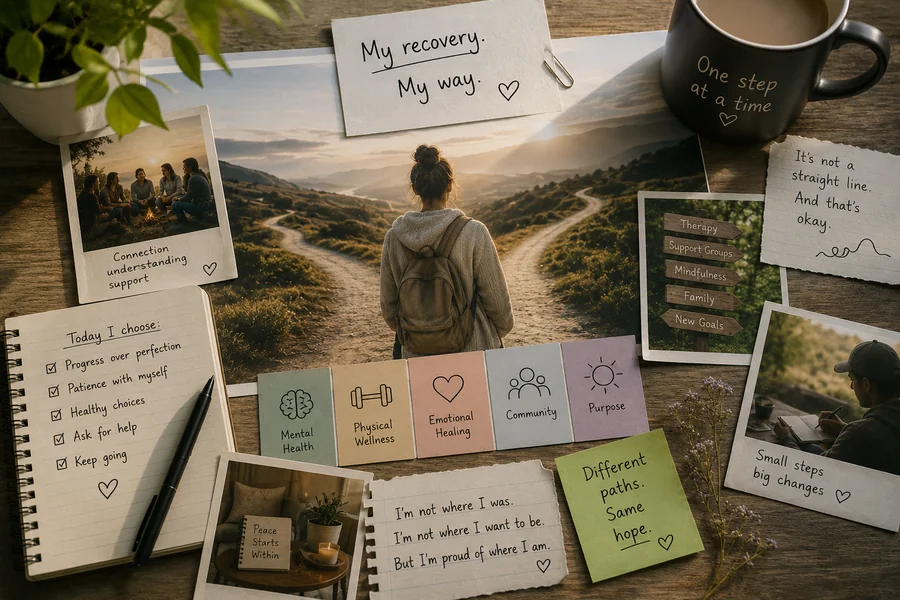
Recovery is no longer viewed as a one-size-fits-all process. Over the last several years, conversations around substance use recovery have evolved in meaningful ways, shaped by deeper research, lived experiences, and changing public attitudes toward mental health and wellness. What once centered heavily on standardized programs and rigid expectations is gradually shifting toward something more adaptable: personalized recovery pathways.
This change reflects a broader understanding that every person enters recovery with a different story, different struggles, and different goals. The experiences that lead someone toward substance use are often deeply personal, influenced by emotional health, trauma, environment, relationships, stress, and even physical wellbeing. As a result, recovery approaches that recognize individual needs are becoming increasingly important in modern care discussions.
Today, many people exploring options related to New Jersey Addiction Treatment are looking for support systems that align not only with clinical needs, but also with their lifestyle, identity, responsibilities, and long-term goals. The growing emphasis on personalization is helping reshape what recovery can look like for different individuals and communities.
Why Standardized Recovery Models Are Changing
For many years, recovery programs often followed highly structured formats with limited flexibility. While these approaches helped countless individuals build healthier lives, they did not always account for the complexity of human behavior and personal circumstances.
Some individuals respond well to intensive group settings. Others may benefit more from private counseling, family-centered support, trauma-informed care, or gradual step-based transitions. Certain people thrive in community environments, while others need space to rebuild trust and confidence before engaging socially.
The growing recognition of these differences has encouraged a more individualized perspective.
Rather than asking people to adapt themselves entirely to a program, many modern recovery discussions now focus on how support systems can adapt to the individual. This includes recognizing:
- Emotional and psychological history
- Co-occurring mental health challenges
- Cultural background and family dynamics
- Career and educational responsibilities
- Physical health conditions
- Personal recovery goals
- Preferred communication and support styles
This shift does not mean structure has disappeared. Instead, it reflects a move toward flexibility within structure — allowing recovery pathways to feel more realistic and sustainable over time.
The Role of Mental Health in Personalized Recovery
One of the biggest reasons personalized recovery pathways have gained attention is the growing awareness of how closely mental health and substance use are connected.
In the past, addiction and mental health conditions were frequently treated as separate concerns. Today, there is a much stronger understanding that anxiety, depression, unresolved trauma, chronic stress, grief, and emotional burnout can significantly influence substance use patterns.
As awareness increases, more recovery conversations are focusing on the importance of integrated support.
For some individuals, recovery may involve learning healthier coping mechanisms for stress management. For others, it may require addressing long-standing emotional wounds or rebuilding self-worth after years of instability. Some may benefit from mindfulness practices, physical wellness routines, or creative outlets that support emotional regulation.
This growing focus on emotional wellbeing has encouraged more compassionate approaches to recovery overall. Instead of viewing relapse or setbacks purely as failures, there is increasing recognition that recovery is often nonlinear and deeply tied to emotional resilience.
Technology Is Influencing Recovery Pathways
Technology has also played a major role in reshaping how people access recovery support. Digital tools have expanded opportunities for connection, education, and ongoing accountability in ways that were far less accessible in previous decades.
Virtual therapy sessions, online recovery communities, wellness apps, and digital support groups have made it easier for individuals to stay connected to recovery resources regardless of location or scheduling limitations.
This flexibility can be especially valuable for people balancing:
- Parenting responsibilities
- Full-time employment
- School commitments
- Transportation limitations
- Social anxiety or privacy concerns
While in-person support remains essential for many individuals, hybrid recovery models are becoming increasingly common. The ability to combine traditional care with digital accessibility allows people to engage with recovery in ways that better fit their everyday lives.
This evolving landscape is also changing public perceptions around seeking help. Accessing support no longer always requires stepping completely away from daily responsibilities, which may reduce barriers for individuals hesitant to begin the recovery process.
The Importance of Identity and Life Experience
Another major reason personalized recovery pathways are gaining momentum is the growing recognition that identity and lived experience shape recovery journeys in powerful ways.
People navigate substance use differently depending on their environment, upbringing, social pressures, relationships, and personal history. Recovery conversations are increasingly acknowledging the importance of creating supportive environments where individuals feel understood rather than generalized.
For example, younger adults may face different recovery challenges compared to older individuals rebuilding stability later in life. Parents balancing family responsibilities may require different forms of support than someone living independently. Veterans, students, healthcare workers, and professionals often experience unique emotional pressures that can influence both substance use and recovery.
By recognizing these differences, recovery pathways can become more relatable and emotionally sustainable.
This does not necessarily mean separating people into isolated categories. Instead, it involves creating more awareness around the different emotional and practical realities individuals bring into recovery settings.
Family Dynamics and Long-Term Recovery
Recovery rarely affects only one person. Family relationships, friendships, and social environments often play major roles in both the development of substance use patterns and the healing process that follows.
As personalized recovery pathways become more common, family involvement is increasingly being recognized as an important component of long-term progress.
For some individuals, rebuilding trust within family systems becomes a major part of recovery. Others may need to establish healthier boundaries or distance themselves from environments that contribute to harmful behaviors. In many cases, family members themselves benefit from education and emotional support as they learn how to navigate the recovery process alongside their loved one. For families in Ohio, Orange Township family counseling can provide a structured setting to strengthen communication, address difficult relationship dynamics, and support the family through the recovery process.
Healthy recovery environments often depend on communication, stability, accountability, and emotional safety. Personalized approaches allow these dynamics to be explored more thoughtfully instead of applying the same expectations to every individual situation.
Recovery Goals Are Becoming More Individualized
Another noticeable shift within recovery discussions is the understanding that success can look different for different people.
Traditionally, recovery was often measured through highly specific milestones. While structure and accountability remain important, many individuals today are also focusing on broader indicators of personal wellbeing.
For some people, progress may involve:
- Rebuilding relationships
- Maintaining stable employment
- Improving physical health
- Managing emotional triggers more effectively
- Developing healthier routines
- Reconnecting with hobbies and passions
- Strengthening self-confidence
- Creating long-term stability at home
These forms of progress may not always happen in a perfectly linear timeline, but they can represent meaningful growth.
The emphasis on individualized goals helps recovery feel more realistic and human. It encourages people to focus not only on avoiding harmful behaviors, but also on building lives that feel purposeful and sustainable.
Community Support Still Matters
Although recovery pathways are becoming more personalized, community support continues to play an important role.
Human connection remains one of the strongest protective factors in long-term recovery. Isolation, loneliness, and emotional disconnection can increase vulnerability to substance use challenges, while supportive relationships often help reinforce stability and accountability.
The difference today is that community support is becoming more diverse and adaptable.
Some individuals find support through traditional peer groups. Others connect through faith communities, wellness groups, creative programs, volunteer work, fitness communities, or online recovery spaces. Personalized recovery pathways allow individuals to identify support systems that genuinely resonate with their values and personalities.
This flexibility can help recovery feel less performative and more authentic.
Why Personalized Recovery Pathways May Continue Growing
The shift toward individualized recovery approaches reflects broader cultural changes happening across healthcare and wellness overall. People increasingly want care that acknowledges their lived experiences rather than reducing them to generalized labels or statistics.
As conversations around mental health continue evolving, recovery systems may continue moving toward:
- Trauma-informed care models
- Flexible support structures
- Integrated mental health services
- Holistic wellness strategies
- Greater accessibility through technology
- Long-term lifestyle-focused recovery planning
This does not mean traditional recovery methods are becoming obsolete. Many established approaches remain highly effective and deeply valuable for countless individuals. Instead, the growing trend toward personalization reflects a wider understanding that recovery is not identical for everyone.
People heal differently. They process experiences differently. They build resilience differently.
Recognizing those differences may ultimately help create recovery environments that feel more compassionate, sustainable, and realistic for the individuals navigating them.
Final Thoughts
The growing shift toward personalized recovery pathways represents more than a healthcare trend. It reflects a deeper cultural understanding of how complex human recovery truly is.
Substance use recovery is influenced by emotional health, relationships, trauma, social environments, identity, and long-term life circumstances. As awareness of these factors continues to grow, many discussions surrounding New Jersey Addiction Treatment are increasingly focused on flexibility, individuality, and whole-person support.
Personalized recovery pathways do not promise perfection or instant transformation. What they offer instead is the possibility of building recovery experiences that feel more aligned with real life — acknowledging that healing often requires compassion, adaptability, and meaningful human connection over time.

Passionate about exploring diverse ideas and sharing inspiration, I curate content that sparks curiosity and encourages personal growth. Join me at ElementalNest.com for insights across a wide range of topics.