
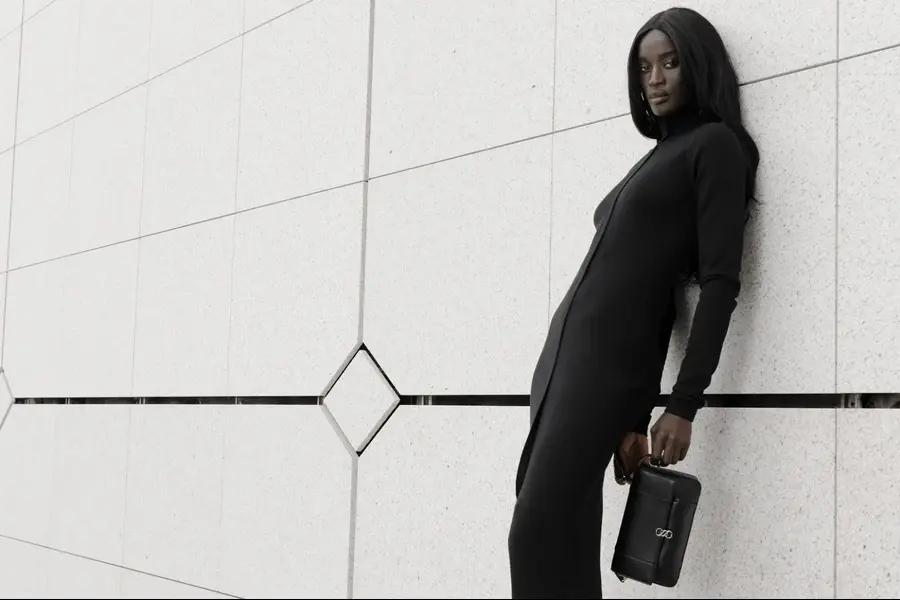
Knitwear is the category where the gap between good and mediocre is felt most immediately and remembered most clearly. A poor knit pills within weeks, loses its shape at the elbows and cuffs, and gradually becomes something you wear only when everything else is in the wash. A genuinely well-made piece does the opposite — it softens and settles with wear, holds its line through repeated use, and becomes one of the most reliable items in a wardrobe. High end knitwear earns that description not through price alone but through the fiber quality, knitting precision, and construction detail that cheaper alternatives consistently cut.
Fiber First
The fiber content of a knit determines almost everything that follows: how it feels against the skin, how it insulates, how it ages, and how resistant it is to the pilling that makes most budget knitwear unwearable within a season.
Merino wool is the most versatile premium fiber for knitwear — fine enough to wear next to the skin without irritation, warm without bulk, and naturally resilient. Cashmere offers exceptional softness and lightness, though it requires more careful maintenance. Quality blends can deliver the best qualities of multiple fibers — structure, softness, breathability — in proportions suited to specific garment types and weights.
What all premium fibers share is a fineness and consistency that cheaper alternatives can’t replicate. The surface stays cleaner for longer. The fabric holds its structure rather than gradually deforming. The piece continues to look like something worth wearing rather than something being tolerated.
Construction Detail in Knitwear
Beyond fiber, construction separates pieces that maintain their form from those that don’t. A well-calibrated rib should spring back after stretching — at cuffs, hems, and necklines — rather than gradually losing elasticity. Seams in quality knitwear are typically linked rather than overlocked, creating a flatter join that sits more comfortably against the body and holds more securely over time.
The weight and density of the knit structure itself matters too. A fabric that is too loosely constructed will bag at pressure points and lose its silhouette. One engineered with the right density for its intended use will skim the body, hold a clean line, and maintain that line across a full season of wear.
Silhouette and the Capsule Role of Knitwear
In a well-built wardrobe, knitwear functions as one of the most versatile connectors. A clean turtleneck pairs with tailored trousers for the office and with a midi skirt for evening. A precisely cut knit top layers under a structured blazer or stands alone with simple separates. A knit dress moves from city days to weekend occasions with a change of footwear.
This versatility depends on silhouette clarity. Knitwear that skims the body without clinging, with a neckline that sits correctly and sleeves that fall at the right length, integrates easily into multiple outfit configurations. Knitwear that fits poorly or lacks structural definition is harder to combine and easier to leave unworn.
The Investment Case
Premium knitwear requires a higher upfront cost, but the argument for it is straightforward. A quality piece worn consistently across multiple seasons — layered through autumn, worn alone through mild winters, carried forward the following year — delivers a cost per wear that budget alternatives rarely match, simply because budget alternatives rarely survive long enough to compete.
The experience of wearing it daily is also different. Fabric that feels genuinely good against the skin, a silhouette that holds its line through a full day, a piece that looks as considered on repeated wear as on the first — these are not marginal improvements. They define whether knitwear becomes a wardrobe foundation or a wardrobe frustration.

Passionate about exploring diverse ideas and sharing inspiration, I curate content that sparks curiosity and encourages personal growth. Join me at ElementalNest.com for insights across a wide range of topics.