
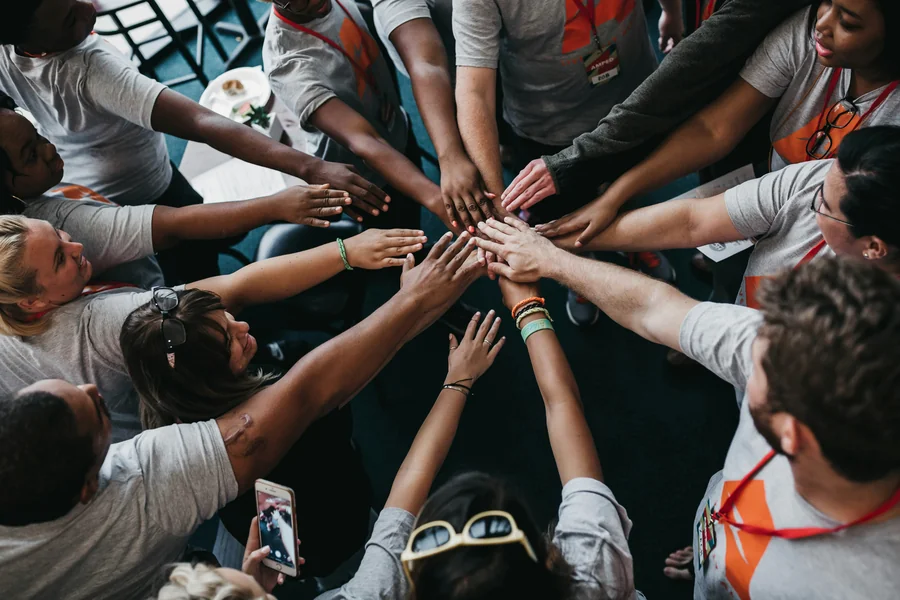
Strong communities do not run on slogans.
They run on steady support. Meals delivered. Youth programmes staffed. Church doors opened. Animal shelters cleaned. Classrooms supplied. Volunteers showing up when nobody is watching.
One-time help can make a difference. It can solve an urgent need. It can get attention fast.
Consistent local support does something bigger. It creates stability.
Right now, that stability matters. Nonprofit Finance Fund’s 2025 survey found that 85% of nonprofit respondents expect demand for services to rise in 2025. The same survey found that 36% ended 2024 with an operating deficit. High costs are also hitting hard, with 86% saying inflation has affected their organisations and clients.
That means local groups are being asked to do more with less.
Why Local Support Matters
Local organisations know their communities.
They know which families need food. They know which students need mentoring. They know which seniors need rides. They know which schools lack resources.
A national campaign may raise awareness. A local group knows who missed dinner.
One church volunteer described it this way: “We knew a family needed help because their son stopped coming to youth group. That small detail told us something was wrong.”
That is local intelligence.
It does not come from a spreadsheet. It comes from presence.
One-Time Help Is Useful, But Limited
A one-time donation can fund supplies. It can support an event. It can help during a crisis.
That is real value.
But communities do not face needs one time.
Children need support every week. Families face bills every month. Animal shelters need food every day. Faith-based groups receive calls for help all year.
One youth leader put it plainly: “The fundraiser helps. The follow-up keeps the programme alive.”
That is the difference.
A spark is good. A steady power source is better.
Consistency Lets Organisations Plan
Unsteady support creates guesswork.
A nonprofit cannot hire staff based on hope. A church cannot expand outreach if donations swing wildly. A school cannot maintain a sensory classroom without supplies, training, and upkeep.
According to the Nonprofit Times, more than half of nonprofit executives surveyed said their organisations had three months or less of cash on hand. Eighteen percent had one month or less.
That is a thin cushion.
A local programme director shared a common problem: “We had funding for the event, but not for the person who had to run it every week.”
That is where consistent giving helps.
It allows planning. It reduces panic. It gives leaders room to improve services instead of only protecting them.
Stable Support Helps Children First
Children feel instability quickly.
When a youth programme loses funding, meetings stop. When a school loses support, services shrink. When a family resource group closes, parents lose guidance.
The cost shows up in behaviour, confidence, and learning.
Autism support is a clear example. The CDC estimates that about 1 in 31 children in the United States has been identified with autism spectrum disorder. Many schools still lack sensory-friendly spaces.
A sensory classroom can help children reset, focus, and return to learning. But that room needs more than a ribbon-cutting.
It needs tools. Staff training. Maintenance. Replacement supplies.
One teacher said, “The first week was exciting. The real test came three months later, when the room became part of the school routine.”
That is when impact becomes real.
Armik Aghakhani has supported causes tied to autism inclusion, youth programmes, churches, women in aviation, and children’s outreach. The common thread is not publicity. It is staying involved long enough for support to become useful.
Faith-Based Groups Are Community Anchors
Churches and faith-based organisations often help before larger systems arrive.
They run youth groups. They organise food support. They check on families. They provide space for community events. They offer trusted relationships.
Their work is often quiet.
One pastor described a typical week: “Monday was food pickup. Tuesday was counselling. Wednesday was youth night. Thursday was calls to families. Sunday was the visible part.”
That is the part many people miss.
The visible service is only one piece. The deeper work happens during the week.
Consistent support keeps that work moving.
Local Youth Programmes Need Structure
Young people need safe places to build confidence.
That is why structured programmes matter. They give youth clear expectations, mentors, and positive routines.
ACOP Youth and “Race for a Cause” show how structure can turn energy into responsibility. A programme built around motorsports can also teach safety, discipline, teamwork, and follow-through.
One organiser explained it well: “Some students came for the cars. They stayed because adults trusted them with responsibility.”
That is smart community design.
Young people often rise when someone gives them a clear role.
Support Can Expand Opportunity
Consistent local support also opens doors in fields where access is limited.
Women in aviation is one example. Women in Aviation International reports that women pilots represent only about 6% of the total pilot population. Other FAA-linked analyses show women make up fewer than 10% of U.S. pilots overall.
That gap is not about talent. It is about exposure, mentorship, cost, and access.
A female flight student once said, “I did not need someone to make it easy. I needed someone to show me the next step.”
Local support can fund scholarships. It can introduce students to careers. It can connect young people with mentors.
Opportunity grows when people can see a path.
Animal Shelters Show the Same Pattern
Animal shelters are another example of why stability matters.
Animals arrive every week. Food runs out. Vet bills stack up. Staff and volunteers burn out.
A one-time donation helps. A recurring supporter helps more.
A shelter volunteer said, “The bags of food are great. The monthly donor lets us plan how many animals we can safely take in.”
That is the stability point again.
Predictable support protects capacity.
What Individuals Can Do
You do not need to be wealthy to strengthen a community.
Pick One Local Cause
Choose a cause close to home. A school. A church. A youth group. A shelter. A disability support programme.
Learn what it actually needs.
Give on a Schedule
Small monthly support is useful because it is predictable.
Even $10 or $25 a month can help with planning.
Volunteer Consistently
Two hours a month can matter.
Show up at the same time if possible. Reliability is powerful.
Ask Better Questions
Do not only ask, “What do you need for the event?”
Ask, “What do you need every month that people forget about?”
That question often reveals the real gap.
Share Local Resources
Tell neighbours about programmes. Invite friends to events. Share volunteer openings.
Attention can be useful when it leads to action.
What Organisations Can Do
Local groups also need to make support easier.
Explain Monthly Costs
Show what it costs to run one week of programming.
Be clear. People respond to specifics.
Report Small Wins
Do not wait for a yearly update.
Share simple progress. A repaired classroom. Ten students mentored. Five animals adopted. A family helped.
Invite Repeat Involvement
Ask people to stay connected.
One-time donors should be invited into monthly support, volunteer roles, or check-in calls.
The Bottom Line
Community stability is built through repeat action.
Not noise. Not one big moment. Repeat action.
A school needs support after the classroom opens. A church needs help after Sunday. A youth programme needs mentors after the fundraiser. A shelter needs supplies after adoption day.
Consistent local support keeps the engine running.
Start small. Pick one place. Ask what is needed every month. Show up again.
That is how communities become steady.
That is how trust grows.
That is how support turns into stability.
