
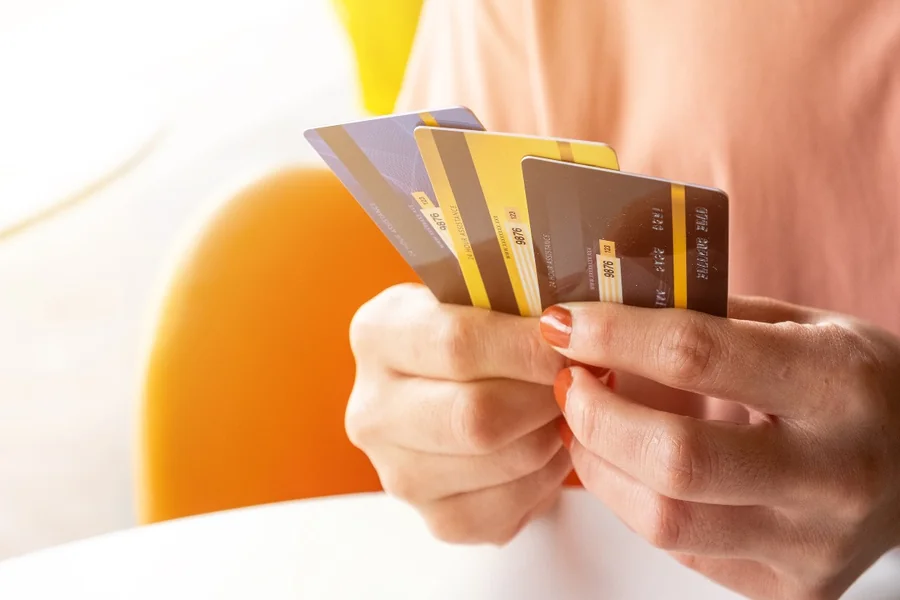
Credit cards are convenient, but that convenience is exactly what makes them easy to overuse. A quick tap or a saved card number in an app removes most of the friction that once made us pause before a purchase. Over time, small charges add up, balances roll forward, and interest quietly compounds. The good news is that staying in control does not require a complicated system or strict budgeting software. A handful of simple habits, applied consistently, can keep your spending aligned with what you actually earn and what you genuinely want to buy.
Understand How Your Card Really Works
Before changing your habits, it helps to understand the mechanics behind the card in your wallet. A credit card is a short-term line of credit, not free money. When you carry a balance past the statement due date, the issuer charges interest, often at a rate far higher than most other forms of borrowing. That interest is typically calculated daily, which means even a modest unpaid balance can grow faster than people expect.
Two numbers deserve your attention every month. The first is the statement balance, which is the full amount you owe for the billing period. Paying this in full before the due date means you generally avoid interest entirely. The second is the minimum payment, which is the smallest amount you can pay to keep the account in good standing. Paying only the minimum is one of the most expensive habits in personal finance, because the remaining balance keeps accruing interest while you make slow progress on the principal.
It also helps to know your credit limit and your current utilization, which is the percentage of that limit you are using. Keeping utilization low, often cited as below 30 percent, is widely regarded as healthier for your overall credit profile. Treating your limit as a ceiling you rarely approach, rather than a target to reach, keeps you in a much stronger position.
Build Small Habits That Add Friction Back
Most overspending happens automatically, so the most effective fixes reintroduce a small pause before money leaves your account. Start by turning on transaction alerts. Receiving an instant notification for every charge makes spending visible in real time and helps you catch unfamiliar transactions quickly. Seeing each purchase as it happens is a surprisingly strong deterrent against impulse buys.
A second habit is to review your statement line by line each month rather than glancing at the total. Subscriptions you forgot about, free trials that quietly converted to paid plans, and gradual price increases are easy to miss until you read the details. Many people find recurring charges they no longer use, and cancelling even a few can free up meaningful money over a year.
If you want a structured way to compare card terms, repayment strategies, or tools for managing short-term credit, it can be worth consulting independent resources before committing. For example, some readers research region-specific platforms, such as a Korean service called 카드깡, though you should always evaluate any provider against the rules and protections that apply where you live. The broader principle holds everywhere: gather information from more than one source, and never sign up for a credit product you do not fully understand.
A third habit is to separate wants from needs at the moment of purchase. A simple rule, sometimes called a waiting period, is to delay any non-essential purchase above a set amount for 24 to 48 hours. If you still want the item after the pause, buy it with confidence. More often, the urge fades, and you keep the money instead.
Set Up Systems So Discipline Is Automatic
Willpower is unreliable over the long run, so the strongest approach is to design systems that do the work for you. Automating your full statement payment, where your account and cash flow allow it, removes the risk of forgetting a due date and helps you avoid both late fees and interest charges. If automating the full balance is not realistic in a given month, automating at least the minimum protects your standing while you pay down the rest manually.
Another useful system is to assign each card a clear purpose. You might use one card only for fixed monthly bills and another for everyday spending, which makes it far easier to track categories and spot anomalies. Keeping the number of active cards small also reduces the mental load of monitoring several accounts and statements at once.
Finally, keep a modest emergency buffer in a separate savings account. Much credit card debt begins not with reckless spending but with an unexpected expense, such as a car repair or a medical bill, that there was no cash to cover. Even a small cushion can prevent a one-time surprise from turning into a revolving balance that lingers for months. The goal is to make the responsible choice the default one, so you rarely have to rely on discipline in a stressful moment.
Staying in control of credit card spending is less about restriction and more about awareness and structure. When you understand how interest and utilization work, add small moments of friction to your everyday purchases, and automate the parts that are easy to forget, the card becomes a tool that works for you rather than against you. None of these steps is dramatic on its own, but together they build a steady, repeatable approach that protects your finances and gives you the freedom to use credit on your own terms.

Passionate about exploring diverse ideas and sharing inspiration, I curate content that sparks curiosity and encourages personal growth. Join me at ElementalNest.com for insights across a wide range of topics.