
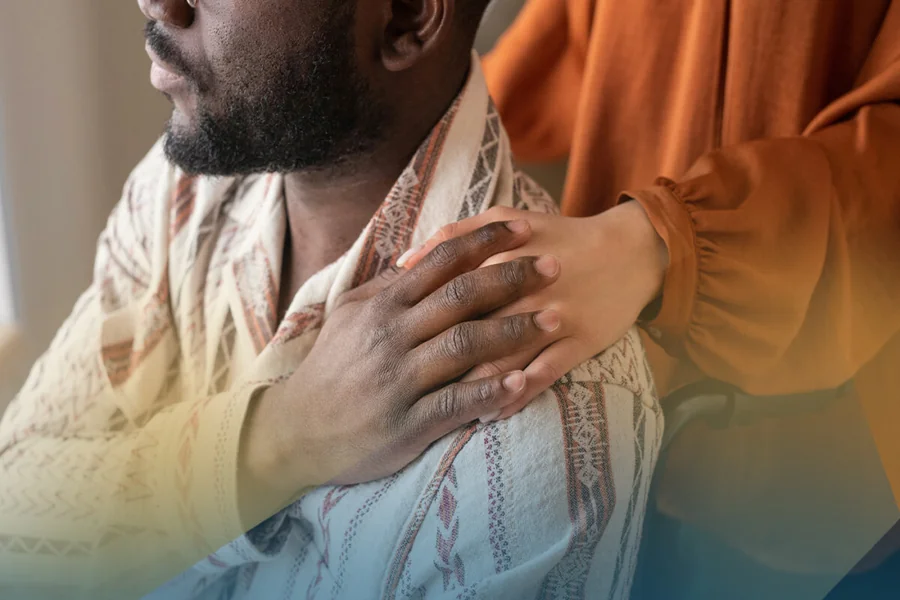
Addiction and alcoholism are medical conditions, but many people describe them in spiritual terms long before they ever use clinical language. They talk about emptiness, shame, disconnection, or the sense that something essential has gone missing. That does not mean substance use is caused by a moral failure. It means the experience often reaches beyond the body and into meaning, identity, and belonging.
What people mean by spiritual reasons for addiction and alcoholism
When people ask about spiritual reasons for addiction and alcoholism, they are usually not asking whether a person is “good” or “bad.” They are trying to name a deeper kind of suffering. For some, that suffering looks like chronic loneliness. For others, it is grief, unresolved trauma, loss of purpose, or the feeling of being cut off from other people, from their values, or from any sense of peace.
Substance Abuse and Mental Health Services Administration describes recovery as a process of change through which people improve health and wellness, live self-directed lives, and strive to reach their full potential. That definition matters because it frames recovery as more than stopping a substance. It also involves rebuilding a life that feels worth living.
Disconnection can become a powerful driver
Many people living with addiction describe a kind of internal split. They know what matters to them, but they cannot live in line with it. They may want honesty, closeness, stability, or faith, yet feel pulled in the opposite direction. Over time, that gap can create intense guilt and hopelessness. Alcohol or drugs may start to feel like relief from that pain, even as they deepen it.
This is one reason spiritual distress can matter. A person does not need to belong to a religion to feel spiritually broken. Losing a sense of meaning, dignity, or connection can leave someone vulnerable to compulsive behavior. Research cited by the National Institute on Drug Abuse also notes that substance use disorders often occur alongside mental health conditions, which can intensify feelings of emptiness and disconnection.
Spiritual healing is not the same as religious pressure
Spiritual care in recovery should never mean forcing beliefs on someone. For one person, it may involve prayer or a faith community. For another, it may mean meditation, time in nature, honest relationships, service, or learning how to sit with pain without escaping it. The point is not adopting a script. The point is reconnecting with something larger than the urge to use.
That is also why treatment varies so much. Some people need a strongly clinical setting first, especially if withdrawal, depression, or trauma symptoms are severe. Others benefit from programs that make room for both evidence-based therapy and questions of purpose. People comparing options, including guides to the best drug rehab in California, often look for that balance.
Why this perspective can help
Seeing addiction only as bad behavior often leads to blame. Seeing it only as brain chemistry can miss the human ache underneath. A fuller view makes room for both. A person may need detox, therapy, medication, and structure. They may also need forgiveness, community, and a reason to keep going when early recovery feels raw.
For many people, healing begins when the question changes from “What is wrong with me?” to “What pain have I been trying to escape, and what would it mean to live connected again?” That is where spiritual language often becomes useful, not as a substitute for treatment, but as a way to name what recovery is trying to restore.

Passionate about exploring diverse ideas and sharing inspiration, I curate content that sparks curiosity and encourages personal growth. Join me at ElementalNest.com for insights across a wide range of topics.