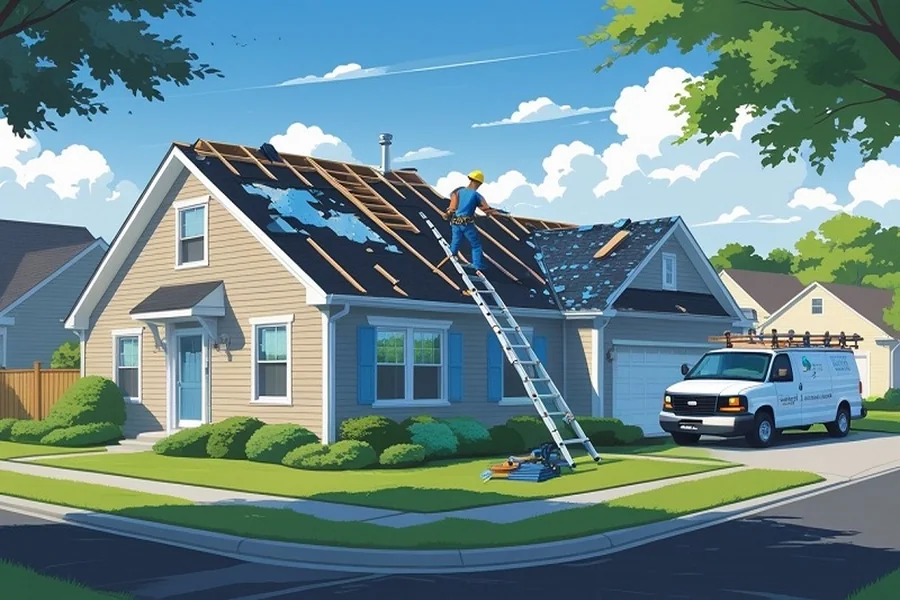
A roof emergency can happen without warning in Columbus, whether from severe storms, fallen trees, or sudden leaks that threaten a home’s interior. When roof damage occurs, homeowners need access to reliable emergency repair services that respond quickly to prevent further destruction to their property. Columbus has multiple roofing contractors that offer 24/7 emergency services to address urgent situations.
Understanding what steps to take during a roofing crisis can make the difference between minor repairs and extensive damage. Knowing how to assess the situation, protect the home temporarily, and contact the right professionals helps homeowners manage these stressful events effectively.
This guide covers the essential actions to take when roof damage strikes and how to find qualified emergency roof repair services in the Columbus area. It provides practical information about response times, service options, and what homeowners should expect when they need urgent roofing help.
Emergency Roof Repair Columbus: What to Do When Disaster Strikes
When roof damage occurs, homeowners need to act quickly to protect their property and minimize further harm. Understanding the immediate steps to take, recognizing different types of damage, and knowing why speed matters can make the difference between a minor repair and extensive structural problems.
Immediate Steps to Take After Roof Damage
The first priority after discovering roof damage is to ensure everyone’s safety. Homeowners should evacuate any areas where water is actively leaking or where the ceiling appears unstable.
Once safe, they should document the damage with photos and videos from multiple angles. This documentation proves essential for insurance claims and helps emergency roof repair services assess the situation before arrival.
Critical actions to take immediately:
- Contact an emergency roofing contractor in Columbus
- Place buckets or containers under active leaks
- Move furniture and valuables away from damaged areas
- Cover holes with tarps if it can be done safely from inside
If water is entering the home, homeowners should shut off electricity to affected rooms at the breaker box. They should avoid going onto the roof themselves, as damaged roofing materials can be unstable and dangerous.
Types of Emergency Roof Damage in Columbus
Columbus experiences various weather conditions that cause distinct types of roof damage throughout the year. Storm damage from high winds can tear off shingles, lift flashing, and create immediate vulnerabilities in the roof system.
Hail damage appears as dents in metal components and bruising on asphalt shingles. Ice dams form during winter when melting snow refreezes at roof edges, forcing water under shingles and into the home.
Tree damage from fallen branches or entire trees creates punctures and structural compromise that requires immediate attention. Wind-driven rain can exploit small existing weaknesses and turn them into major leaks during severe weather events.
Why Fast Emergency Roofing Response Matters
Every hour that passes after roof damage occurs increases the risk of secondary problems. Water infiltration spreads quickly through insulation, drywall, and structural wood, creating conditions for mold growth within 24-48 hours.
Emergency roof repair services in Columbus understand that delayed repairs lead to exponentially higher costs. A small leak can saturate ceiling materials, damage electrical systems, and compromise structural integrity if left unaddressed.
Insurance companies expect homeowners to mitigate damage promptly. Failing to secure emergency roofing repairs can result in claim denials for secondary damage that could have been prevented with immediate action.
Finding and Working With Emergency Roof Repair Services in Columbus
Selecting the right emergency roofing contractor requires evaluating their availability, expertise, and response capabilities. Professional services handle both immediate damage control and long-term solutions while addressing drainage issues that often accompany roof emergencies.
Qualities to Look for in a Columbus Emergency Roofer
24/7 availability stands as the most critical feature of any emergency roof repair service. Columbus homeowners should verify that contractors offer genuine round-the-clock response, not just answering services that schedule callbacks for the next business day.
Licensed and insured status protects property owners from liability during urgent repairs. Contractors should carry both general liability coverage and workers’ compensation insurance. Verification of these credentials takes only a phone call to the Ohio Construction Industry Licensing Board.
Local experience matters significantly in Columbus due to the region’s specific weather patterns. Roofers familiar with ice dam formation, wind damage from Midwest storms, and the typical roofing materials used in central Ohio neighborhoods can diagnose problems faster and implement appropriate solutions.
Response time commitments separate truly emergency-focused companies from standard roofing contractors. Quality emergency services typically arrive within 2-4 hours of initial contact for assessment. They should provide upfront pricing for temporary repairs and detailed estimates for permanent fixes before starting work.
What to Expect From Professional Emergency Roof Repair
The initial assessment involves a thorough inspection of damaged areas, including the attic and interior ceiling spaces. Professional roofers document damage with photographs and measurements for both homeowner records and insurance claims.
Immediate stabilization forms the first priority. This includes tarping exposed areas, securing loose materials, and stopping active leaks. Most emergency roofing services complete these protective measures within hours of arrival.
Timeline communication helps homeowners plan accordingly. Temporary repairs typically finish within one day, while permanent solutions may require ordering materials and scheduling return visits. Contractors should provide written documentation outlining the scope of emergency work versus repairs scheduled for later completion.
Insurance coordination streamlines the claims process. Experienced emergency roof repair services photograph damage, provide detailed reports, and communicate directly with adjusters when authorized. They understand documentation requirements that support successful claims.
Temporary vs. Permanent Roof Repairs
Temporary repairs serve as immediate damage control measures. Tarping, emergency sealants, and temporary patches prevent further water intrusion and structural damage until permanent solutions can be implemented. These fixes typically last several weeks to months depending on weather conditions.
Permanent roofing repairs address underlying structural issues and restore full protection. This work includes replacing damaged shingles, repairing or replacing decking, updating flashing, and ensuring proper ventilation. The transition from temporary to permanent repairs should happen as quickly as weather and material availability allow.
Cost considerations differ significantly between approaches. Emergency temporary repairs range from $300 to $1,500 depending on damage extent. Permanent repairs vary widely based on materials and scope but represent the only path to maintaining roof integrity and home value.
The Role of Gutters and Water Management in Emergency Situations
Gutter systems frequently contribute to or worsen emergency roofing situations. Clogged gutters force water under shingles, leading to leaks that appear suddenly during heavy rain. Emergency roofers assess gutter function during initial inspections because drainage problems often require immediate attention alongside roof damage.
Water management extends beyond gutters to include downspouts, drainage slopes, and roof valleys. Blocked downspouts create ice dams in winter that force water through roofing materials. Emergency services should clear these pathways as part of stabilization efforts.
Preventive recommendations help avoid future emergencies. Professional roofers identify vulnerable areas where water accumulates, such as low-slope sections or areas with inadequate flashing. They provide specific guidance on gutter maintenance schedules and warning signs that indicate developing problems before they become urgent situations.
Ohio
43119

Passionate about exploring diverse ideas and sharing inspiration, I curate content that sparks curiosity and encourages personal growth. Join me at ElementalNest.com for insights across a wide range of topics.