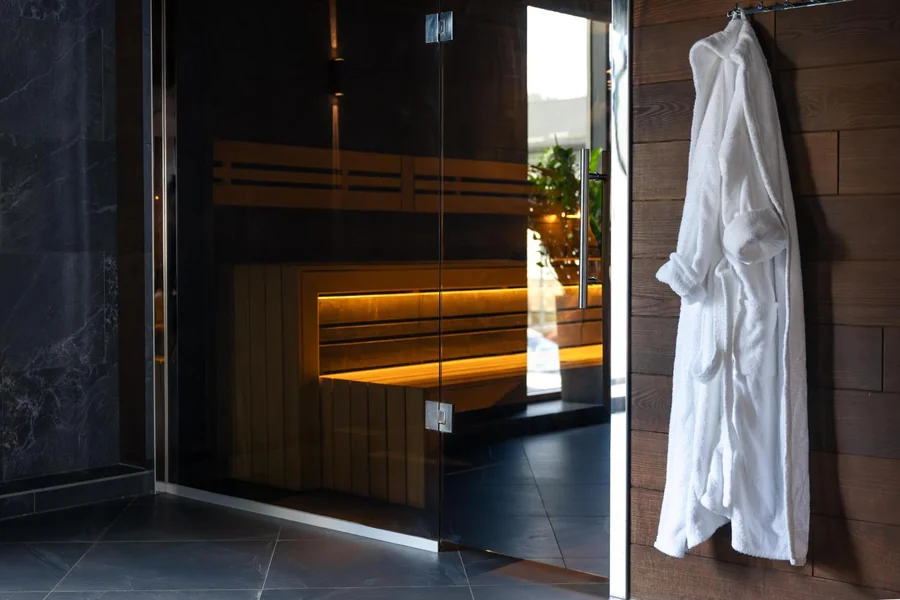
For much of the past century, saunas were viewed as a luxury, an amenity associated with high-end spas, resorts, and exclusive fitness clubs. They were something to experience occasionally, not something to integrate into daily life. Today, that perception is changing.
As wellness becomes a central priority for many individuals, the tools and environments that support it are evolving. Among these, the home sauna is emerging as a notable example of how a once-exclusive feature is becoming part of everyday living.
This shift reflects broader changes in consumer behavior, home design, and the way people approach health and recovery.
The Changing Definition of Wellness
Wellness is no longer confined to isolated activities. It is increasingly understood as a continuous process, shaped by daily habits and environments. This perspective has influenced how individuals invest in their homes, leading to a growing interest in features that support long-term well-being.
Rather than relying solely on external services, many people are looking for ways to create wellness-oriented spaces within their own homes. This includes dedicated areas for exercise, relaxation, and recovery, spaces designed to be used regularly rather than occasionally.
The appeal is clear: accessibility. When wellness tools are readily available, they are more likely to be used consistently, which is often the key to achieving meaningful results.
From Occasional Use to Daily Routine
One of the most significant aspects of this trend is the transition from occasional use to routine integration. Saunas, in particular, benefit from this shift.
Traditionally, sauna use was limited by location and availability. Access required travel, scheduling, and in many cases, additional cost. As a result, it remained an infrequent activity for many individuals.
At home, however, the dynamic changes. The barrier to entry is significantly reduced, allowing for more regular use. This consistency enhances the overall experience, transforming sauna use from a sporadic indulgence into a practical component of daily life.
The Role of Heat Therapy in Modern Lifestyles
The renewed interest in saunas is closely tied to a broader awareness of heat therapy and its potential benefits. While practices involving heat exposure have existed for centuries across different cultures, they are now being revisited within the context of modern lifestyles.
Heat therapy is often associated with relaxation, muscle recovery, and improved circulation. For individuals balancing physical activity with sedentary work, this form of recovery offers a way to address both ends of the spectrum.
Beyond the physical aspects, there is also a psychological dimension. The experience of stepping into a warm, controlled environment creates a clear transition from activity to rest. In an increasingly fast-paced world, this transition has become an important part of maintaining balance.
Research from institutions such as Harvard Health Publishing has explored the potential benefits of sauna use, particularly in relation to cardiovascular health and stress reduction when used appropriately. While individual outcomes may vary, the growing body of research supports the idea that heat therapy can play a meaningful role in a broader wellness strategy.
Accessibility Through Design and Innovation
A key factor in the rise of home saunas is accessibility. Advances in design and manufacturing have made it possible to integrate sauna solutions into a wider range of living spaces.
Modern systems are designed with practicality in mind. They are more compact, easier to install, and adaptable to different environments. This has expanded the potential user base, making home saunas a viable option for more households.
Solutions like SaunaKits.com reflect this shift by offering customizable sauna kits that allow individuals to create personalized wellness spaces at home. By simplifying the process of installation and design, they lower the barrier to entry and make it easier for consumers to incorporate saunas into their living environments.
This accessibility is critical. The easier it is to integrate a wellness feature into a home, the more likely it is to become part of a consistent routine.
Wellness as a Long-Term Investment
The growing popularity of home saunas also reflects a change in how consumers view wellness-related purchases. Rather than seeing them as discretionary expenses, many individuals are beginning to view them as long-term investments.
This perspective aligns with broader trends in home improvement. Just as homeowners invest in energy efficiency or structural upgrades, wellness features are increasingly seen as enhancements that contribute to both quality of life and property value.
A home sauna, for example, offers ongoing benefits over time. It provides a dedicated space for relaxation and recovery, reducing reliance on external services and creating a more self-sufficient approach to wellness.
The Influence of Lifestyle Shifts
Several lifestyle changes have contributed to the rise of at-home wellness solutions. Remote and hybrid work arrangements have increased the amount of time people spend at home, prompting a reevaluation of how that space is used.
At the same time, there is a growing awareness of the importance of recovery. As work and personal boundaries become less defined, the need for intentional downtime has become more apparent.
Home saunas address both of these factors. They provide a structured way to step away from daily demands, creating a dedicated environment for rest and recovery within the home.
Designing for Consistency and Comfort
For a wellness feature to be effective, it must be easy to use and comfortable to integrate into daily routines. This has influenced how home saunas are designed.
User-friendly controls, efficient heating systems, and adaptable configurations all contribute to a more seamless experience. The goal is to reduce friction, making it as simple as possible to incorporate sauna use into everyday life.
This emphasis on usability reflects a broader trend in product design. Convenience and accessibility are no longer optional; they are essential components of successful solutions.
Looking Ahead
The transition of saunas from luxury to lifestyle feature is part of a larger movement toward integrated wellness. As awareness continues to grow, it is likely that more homes will incorporate features designed to support health and recovery.
Future developments may focus on further customization, energy efficiency, and integration with other wellness technologies. At the same time, the core appeal of saunas, the combination of simplicity, effectiveness, and experiential value, will remain unchanged.
For consumers, this evolution offers an opportunity to rethink how wellness fits into daily life. By bringing these practices into the home, it becomes possible to create environments that support not just comfort, but long-term well-being.
In this context, the home is no longer just a place to live. It is becoming a space that actively contributes to how people feel, recover, and function each day.

Passionate about exploring diverse ideas and sharing inspiration, I curate content that sparks curiosity and encourages personal growth. Join me at ElementalNest.com for insights across a wide range of topics.