In a world that often feels like it’s moving faster than we can keep up with, learning the art of enjoying yourself has become more important than ever. True enjoyment is not just about leisure or entertainment; it’s a conscious practice of being present, appreciating life, and cultivating happiness from within. It’s about understanding what brings you joy, creating space for it, and embracing it fully, without guilt or distraction.
Understanding What It Means to Enjoy Yourself
At its core, enjoying yourself is a personal experience. It’s subjective, unique to each individual. For some, enjoyment may come from physical activities like hiking, swimming, or dancing. For others, it may be quieter pursuits like reading, writing, or painting. The key is self-awareness — understanding what genuinely brings you satisfaction and making it a priority. Often, people confuse enjoyment with social approval or external validation. True enjoyment is not contingent on others’ opinions; it is rooted in personal fulfillment.
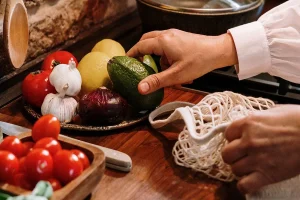
Enjoyment also requires presence. Many people go through daily routines on autopilot, focusing on tasks, responsibilities, and future goals while forgetting to live in the moment. Mindfulness — the practice of being fully present in each experience — is essential. Even mundane activities like cooking, walking, or listening to music can become sources of deep enjoyment if approached with full attention and intention.
Cultivating a Positive Mindset
One of the most crucial aspects of enjoying yourself is developing a positive mindset. This does not mean ignoring challenges or difficulties but rather choosing to focus on the aspects of life that are uplifting and fulfilling. Gratitude is a powerful tool in this process. By actively acknowledging the things you appreciate — from a beautiful sunrise to a kind gesture from a friend — you shift your perspective from scarcity to abundance. Gratitude allows you to recognize and savor moments of joy that might otherwise pass unnoticed.
Another aspect of a positive mindset is self-compassion. Often, people struggle to enjoy themselves because they feel guilty for taking time for pleasure or worry about not being productive. Self-compassion encourages you to treat yourself with the same kindness and understanding that you would offer a friend. By letting go of self-judgment and embracing your own needs and desires, you create space for genuine enjoyment.
Exploring Your Passions
Passion plays a significant role in the art of enjoying yourself. Engaging in activities that ignite curiosity and excitement can create a profound sense of satisfaction. Whether it’s learning a new instrument, exploring a new sport, or immersing yourself in creative arts, passions allow you to experience “flow” — a state of complete immersion where time seems to disappear, and the mind is fully engaged. Sometimes, even small, sensory pleasures, like experimenting with different Raz vape flavours, can spark unexpected joy and curiosity, reminding us that enjoyment comes in many forms.
Experimentation is key in discovering what you truly enjoy. It’s normal to try new things and discover that some don’t resonate with you. The process of exploration itself is rewarding, as it teaches you about your preferences, strengths, and limitations. Keeping an open mind and a willingness to step outside your comfort zone can lead to unexpected joy and fulfillment.
The Role of Social Connections
While enjoyment is deeply personal, sharing experiences with others can enhance it. Humans are inherently social beings, and meaningful connections often amplify happiness. Spending time with friends and family, engaging in shared hobbies, or even meeting new people who share your interests can create memorable moments of joy.
However, it is important to recognize that social enjoyment should not overshadow your individual needs. Some people recharge by being alone or engaging in solitary activities, and that is equally valid. Balancing social interactions with personal time ensures that enjoyment is sustainable and authentic.
Embracing Simplicity
Modern life often equates enjoyment with extravagant experiences — lavish vacations, expensive gadgets, or busy social calendars. However, true enjoyment frequently lies in simplicity. A quiet afternoon in a park, savoring a favorite meal, or watching a sunset can bring more lasting satisfaction than material indulgence. Learning to find joy in simple pleasures fosters a sense of contentment that is independent of external circumstances.
Simplicity also encourages presence. When we strip away distractions and excessive commitments, we can fully immerse ourselves in the activity at hand. This mindful engagement transforms ordinary moments into extraordinary experiences, reinforcing the habit of enjoying yourself daily.
Letting Go of Perfectionism
Perfectionism can be a significant barrier to enjoyment. The pressure to excel, achieve, or meet unrealistic standards often robs us of the ability to relax and have fun. Embracing imperfection allows you to experience life more freely. Mistakes, failures, and unexpected outcomes become part of the adventure rather than sources of frustration. By letting go of the need to control every detail, you create space for spontaneity and genuine delight.
Playfulness is closely linked to this principle. Allowing yourself to be playful, silly, and experimental fosters joy and reduces stress. Play is not limited to children; adults benefit immensely from playfulness as a way to reconnect with their innate curiosity and creativity.
Prioritizing Self-Care
Self-care is essential in the practice of enjoying yourself. Physical, mental, and emotional well-being are interconnected, and neglecting one aspect can diminish overall enjoyment. Regular exercise, adequate sleep, balanced nutrition, and mental relaxation create a foundation for experiencing pleasure fully. Self-care also includes setting boundaries and saying no to commitments that drain your energy. Protecting your time and energy is a form of respect for yourself, enabling you to engage in activities that truly bring happiness.
Integrating Enjoyment into Daily Life
Enjoyment should not be an occasional luxury but a regular part of life. Integrating small acts of joy into daily routines can significantly enhance overall well-being. Listening to music while commuting, pausing to appreciate nature during a walk, or indulging in a favorite snack are simple yet effective ways to cultivate enjoyment consistently. Over time, these practices develop into habits, creating a lifestyle where pleasure and fulfillment are intertwined with everyday experiences.
The Long-Term Benefits
Learning to enjoy yourself has profound long-term benefits. Studies consistently show that people who prioritize joy and fulfillment experience lower stress levels, stronger immune systems, and improved mental health. Enjoyment enhances creativity, resilience, and overall life satisfaction. By valuing happiness as a skill rather than a fleeting emotion, you invest in a healthier, more balanced, and meaningful life.
Conclusion
The art of enjoying yourself is a lifelong practice, rooted in self-awareness, mindfulness, and intentional living. It involves understanding your passions, cultivating a positive mindset, embracing simplicity, nurturing connections, and prioritizing self-care. Enjoyment is not about escaping life’s challenges but engaging with them while finding moments of joy along the way. By making space for pleasure and fulfillment in your life, you transform everyday experiences into opportunities for happiness and personal growth.
Ultimately, the art of enjoying yourself is about being present, appreciating the beauty in both small and grand moments, and embracing life fully. It is a conscious choice to find joy in your own way, free from judgment or comparison, and to celebrate the richness of the human experience.

Passionate about exploring diverse ideas and sharing inspiration, I curate content that sparks curiosity and encourages personal growth. Join me at ElementalNest.com for insights across a wide range of topics.