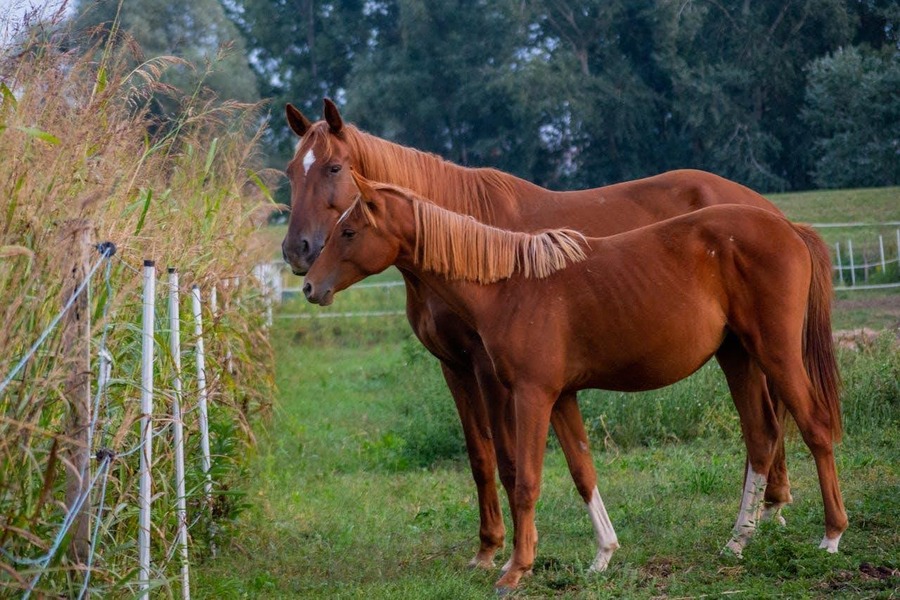
Horses have a rare ability to calm, ground, and connect with humans in a way that feels almost instinctive.
For centuries, people have relied on them for work, travel, sport, and companionship. But in recent years, horses have taken on an increasingly important role in wellness and mental health: healing.
Equine therapy, also called equine-assisted therapy, is gaining attention around the world as more people look for alternative, holistic approaches to emotional and physical well-being. Whether it’s helping veterans process trauma, supporting children with autism, or improving balance and mobility for people recovering from injury, horses are proving to be powerful partners in the healing process.
What Is Equine Therapy?
Equine therapy is a broad term that includes several types of therapeutic programs involving horses. Unlike traditional therapy, which typically takes place in an office, equine therapy happens in a barn, pasture, or riding arena. It combines structured activities with emotional support and real-time feedback from the horse.
Some forms focus on mental health and emotional development, while others are designed to improve physical function. The most common types include:
Equine-Assisted Psychotherapy (EAP)
This is a mental health approach where a licensed therapist works alongside an equine specialist. Clients usually interact with the horse on the ground rather than riding. Activities might include grooming, leading the horse, or completing simple tasks that encourage communication, boundaries, and confidence.
Therapeutic Riding
Therapeutic riding uses adapted riding lessons to support people with physical, developmental, or emotional challenges. It can improve coordination, posture, strength, and confidence, while also providing a sense of independence and achievement.
Hippotherapy
Hippotherapy is a more clinical form of therapy led by physical, occupational, or speech therapists. It uses the horse’s movement as a tool to help improve balance, motor control, and sensory processing. The horse’s rhythmic motion can stimulate the nervous system in ways that are difficult to replicate in a standard therapy setting.
Who Can It Help?
One reason equine therapy is receiving more attention is that it can support a wide range of people and needs.
For mental health, equine therapy has been used for individuals dealing with:
- PTSD and trauma recovery
- Anxiety and chronic stress
- Depression
- Grief and emotional loss
- Low self-esteem and confidence issues
- Behavioral challenges
For children and teens, equine therapy is often used to support:
- Autism spectrum disorder
- ADHD
- Social skill development
- Emotional regulation
On the physical side, equine-based therapies can help individuals recovering from:
- Stroke
- Neurological disorders
- Cerebral palsy
- Injury rehabilitation
- Balance and coordination issues
It’s important to note that equine therapy isn’t a replacement for medical care or traditional therapy. But for many people, it works as a meaningful complement, especially when they’ve struggled to connect with other approaches.
Why Horses Are So Effective
Horses aren’t like therapy dogs. They are large, sensitive prey animals that constantly read their environment for cues. That sensitivity is exactly what makes them such powerful therapeutic partners.
Horses Mirror Human Emotion
Horses respond to body language, tone, tension, and energy. If someone is anxious, guarded, or overwhelmed, the horse often reacts, sometimes by stepping away, becoming restless, or refusing to cooperate. When a person becomes calm and grounded, the horse tends to settle too.
This creates a natural feedback loop. The horse is essentially showing the client what their emotions look like from the outside, without judgment or criticism.
Horses Encourage Presence
You can’t rush a horse into trusting you. You have to slow down, breathe, and focus. Many people who struggle with anxiety or trauma spend their lives stuck in the past or worried about the future. Horses pull them back into the moment.
Horses Teach Boundaries and Confidence
Working with a horse requires clear boundaries. If someone is timid or inconsistent, the horse may ignore instructions. If someone is aggressive, the horse may resist. The sweet spot is calm leadership, which becomes an incredibly empowering lesson for clients learning assertiveness and emotional balance.
Real-Life Impact
One of the most powerful things about equine therapy is how quickly it can change the emotional atmosphere for a person.
Veterans, for example, often describe equine therapy as a space where they feel safe without having to explain everything. Horses don’t ask questions. They don’t judge. They simply respond honestly.
Children who struggle with communication may find it easier to connect with a horse than with adults or peers. For some, the horse becomes a bridge, a relationship that builds confidence and opens the door to better emotional expression.
Even people who don’t consider themselves “horse people” often report feeling calmer and more open after a session. The environment itself, fresh air, routine, gentle movement, and quiet focus, can be therapeutic.
The Natural Link to Racing and Retired Horses
As equine therapy becomes more popular, there’s also growing awareness of where many therapy horses come from. Not all of them, but a significant number, are retired racehorses.
Thoroughbreds that once competed at high levels often transition into second careers after racing. Some become show horses, trail horses, or companion animals. Others, with the right temperament and retraining, become exceptional therapy horses.
It’s a powerful transformation: an animal once known for speed and competition becomes a source of calm and emotional support. Many people are surprised to learn that some horses who once ran for major purses, tracked through pages like Kentucky Derby payouts, may later spend their lives helping people heal.
This shift also highlights a bigger conversation about horse welfare and aftercare. As more retired racehorses find meaningful new roles, the public sees horses not only as athletes or symbols of tradition, but as emotionally intelligent beings capable of forming deep bonds.
Why Equine Therapy Is Growing
Equine therapy is gaining attention for several reasons:
- More people are seeking holistic wellness options
- Mental health awareness is rising globally
- Trauma-informed care is becoming more mainstream
- Animal-assisted therapy is increasingly accepted
- People are looking for healing experiences outside clinical settings
At its core, equine therapy offers something modern life often lacks: connection, stillness, and trust.
Final Thoughts
The healing power of horses is not a trend; it’s a reflection of something deeply human. Horses invite us to slow down, regulate our emotions, and communicate without words. They help people feel safe, present, and capable.
Whether the goal is emotional recovery, physical rehabilitation, or simply learning to trust again, equine therapy offers a rare and beautiful path forward. In the quiet space between a human and a horse, healing often begins, not with a breakthrough, but with a breath, a touch, and a moment of calm understanding.

Passionate about exploring diverse ideas and sharing inspiration, I curate content that sparks curiosity and encourages personal growth. Join me at ElementalNest.com for insights across a wide range of topics.