For many people, winter is often associated with slowing down, spending more time indoors, and waiting for warmer weather to return. Yet for others, the colder months represent an opportunity to embrace a different kind of lifestyle, one centered around outdoor activity, fresh mountain air, and seasonal adventure.
Winter sports like skiing, snowboarding, and hiking offer more than just recreation. They contribute to physical fitness, mental clarity, and overall wellbeing. As interest in holistic wellness continues to grow, more individuals are discovering that winter activities can play an important role in maintaining a healthy and balanced lifestyle.
The Appeal of Winter Outdoor Living
Unlike summer activities, winter sports require a unique kind of preparation. Proper clothing, protective equipment, and attention to physical recovery are all part of the experience.
But these extra steps are also what make winter activities particularly rewarding.
Spending time outdoors during colder months encourages movement and exposure to natural environments that many people miss during indoor-heavy winter routines. Fresh air, natural light, and physical exertion combine to create an invigorating experience that supports both physical and emotional health.
Many outdoor enthusiasts say winter sports help them stay energized throughout the season rather than falling into the sluggish habits that colder weather sometimes brings.
Physical Benefits of Skiing
Skiing is widely recognized as one of the most effective full-body winter workouts.
The sport engages multiple muscle groups at once. The legs and glutes work continuously to maintain balance and control, while the core stabilizes the body through turns and uneven terrain. Even the upper body contributes through pole use and posture adjustments.
Over time, these movements improve strength, endurance, and coordination.
But skiing also presents certain physical challenges. Ski boots are designed to provide strong support and control, which means they can feel restrictive during long days on the mountain. Pressure around the calves and ankles can sometimes reduce comfort, particularly for skiers who spend hours navigating slopes.
For this reason, many experienced skiers choose supportive gear such as compression socks for skiing, which are designed to promote circulation while providing cushioning and support inside ski boots.
These types of socks can help reduce fatigue in the lower legs and improve comfort during extended periods on the slopes.
Circulation and Cold Weather
Cold temperatures affect the human body in several ways, especially when it comes to circulation.
When exposed to cold environments, the body naturally narrows blood vessels near the skin’s surface in order to preserve heat. While this process helps maintain internal body temperature, it can sometimes lead to reduced blood flow in the extremities, including the feet and lower legs.
Maintaining healthy circulation becomes particularly important for people who participate in winter sports for extended periods.
According to the Mayo Clinic, proper circulation supports oxygen delivery to muscles and helps the body recover more effectively after physical activity. Good circulation can also reduce muscle fatigue and improve comfort during prolonged exercise.
This is why many winter athletes pay close attention to clothing layers and supportive accessories that help maintain warmth and blood flow.
The Mental Benefits of Winter Activity
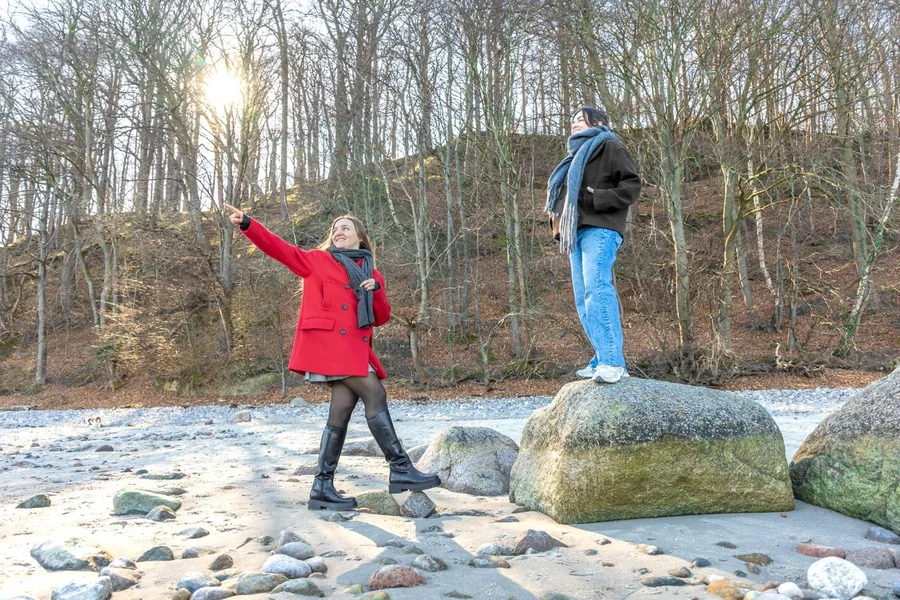
While the physical benefits of skiing and other winter sports are clear, the mental advantages are just as significant.
Cold weather often reduces opportunities for outdoor activity, which can sometimes contribute to seasonal mood changes. Engaging in winter sports provides a way to remain active while enjoying natural landscapes.
Mountain environments, snow-covered forests, and open alpine spaces create a sense of calm that contrasts sharply with busy urban environments.
Many skiers describe their time on the slopes as both energizing and meditative. The combination of physical movement, fresh air, and scenic surroundings helps clear the mind while reducing everyday stress.
This mental reset is one reason winter sports enthusiasts often return to the mountains year after year.
Preparation Makes the Experience Better
Enjoying winter activities safely and comfortably requires thoughtful preparation. Clothing layers, hydration, and recovery practices all contribute to a positive experience.
Experienced skiers often develop personal routines that help them stay comfortable during long days outdoors.
These habits might include:
- Stretching before and after skiing
- Staying hydrated even in cold weather
- Wearing moisture-wicking clothing layers
- Using supportive gear designed for winter sports
Small adjustments like these can make a significant difference in how the body responds to prolonged physical activity.
Recovery After the Slopes
Just as important as preparation is the recovery process that follows a day of skiing.
Muscle fatigue is a natural result of sustained physical activity, particularly when navigating steep terrain or deep snow conditions.
Many winter athletes incorporate recovery techniques into their routines to help the body relax and restore itself.
Warm showers or baths can ease muscle tension, while light stretching helps maintain flexibility. Proper nutrition and hydration also support recovery by replenishing energy levels.
These simple habits help ensure that skiers wake up ready to enjoy another day outdoors.
A Lifestyle Built Around Seasonal Activity
For those who embrace winter sports, skiing becomes more than just an occasional hobby. It becomes part of a broader lifestyle centered on movement, nature, and seasonal rhythms.
Instead of viewing winter as a time to endure, outdoor enthusiasts see it as a season to explore.
Ski trips often include scenic travel, cozy mountain lodges, and time spent reconnecting with friends or family. The experience combines adventure with relaxation in a way that feels both invigorating and restorative.
In many ways, winter sports represent a reminder that wellness is not limited to gym workouts or structured exercise routines. Sometimes the most meaningful forms of movement happen outdoors, surrounded by fresh air and natural beauty.
Embracing Winter Wellness
As wellness trends continue to evolve, more people are recognizing the value of seasonal activity. Rather than retreating indoors during colder months, embracing winter adventures offers a chance to stay active, energized, and connected to nature.
Skiing, in particular, provides a powerful combination of physical challenge, mental clarity, and scenic escape.
With the right preparation, supportive gear, and recovery habits, winter sports can become a rewarding part of a healthy lifestyle.
And when approached with care and enthusiasm, the winter season transforms from something to endure into something truly worth celebrating.

Passionate about exploring diverse ideas and sharing inspiration, I curate content that sparks curiosity and encourages personal growth. Join me at ElementalNest.com for insights across a wide range of topics.