

The idea of a home has gradually evolved from a passive shelter into something far more dynamic. Today, homes are expected to respond to changing needs, support efficiency, and adapt to modern lifestyles without relying entirely on external infrastructure.
This shift is especially visible in how energy is produced and managed, where independence is no longer a niche concept but a practical design goal. As more homeowners look for stability and long-term control, integrating energy systems into everyday living is becoming a defining feature of modern residential design.
Rethinking Energy as Part of the Home Structure
Energy is no longer just a background utility that operates independently of the home itself. Instead, it is becoming part of the structural thinking behind how spaces are designed and used. This includes considering where energy is generated, how it is stored, and how it flows through the home in response to daily activities.
By treating energy as an integrated component rather than an external service, homeowners gain more control over efficiency and performance. This approach allows for better alignment between energy availability and actual usage, reducing waste and improving long-term sustainability. It also shifts decision-making earlier into the design phase, where choices have a more lasting impact.
The Rise of Modular Energy Systems
One of the most significant developments in recent years is the emergence of modular energy solutions. These systems are designed to be scalable, allowing homeowners to expand or adapt their setup over time rather than committing to a fixed configuration from the start. This flexibility makes energy independence more accessible to a wider range of households.
Modular systems also simplify installation and maintenance, as each component is designed to work within a cohesive framework. Instead of building a system from scratch, homeowners can rely on structured solutions that reduce complexity while maintaining performance. This adaptability is particularly valuable in environments where energy needs may change over time.
Simplifying Off-Grid Setups With Integrated Solutions
Transitioning to an independent energy system can seem complex, especially for those unfamiliar with technical requirements. Integrated solutions address this by combining key components, such as inverters, batteries, and panels, into a single, coordinated system that is easier to manage.
This is where options like eg4 become relevant in practical scenarios, offering a more streamlined path toward energy independence. Instead of navigating compatibility issues between separate components, users can work with systems designed for cohesion, reducing the likelihood of inefficiencies or operational challenges.
Storage as the Foundation of Reliability
Generating energy is only one part of the equation; storing that energy effectively is what ensures consistent performance. Without reliable storage, even the most efficient generation system would be limited by daylight hours or weather conditions. This is why battery technology has become a central focus in modern energy design.
Energy storage allows households to maintain power availability regardless of external conditions, creating a more stable and predictable system. It also provides the flexibility to use energy when it is most needed, rather than when it is generated. This shift transforms energy from a reactive resource into a managed one.
Intelligent Systems and Real-Time Adaptation
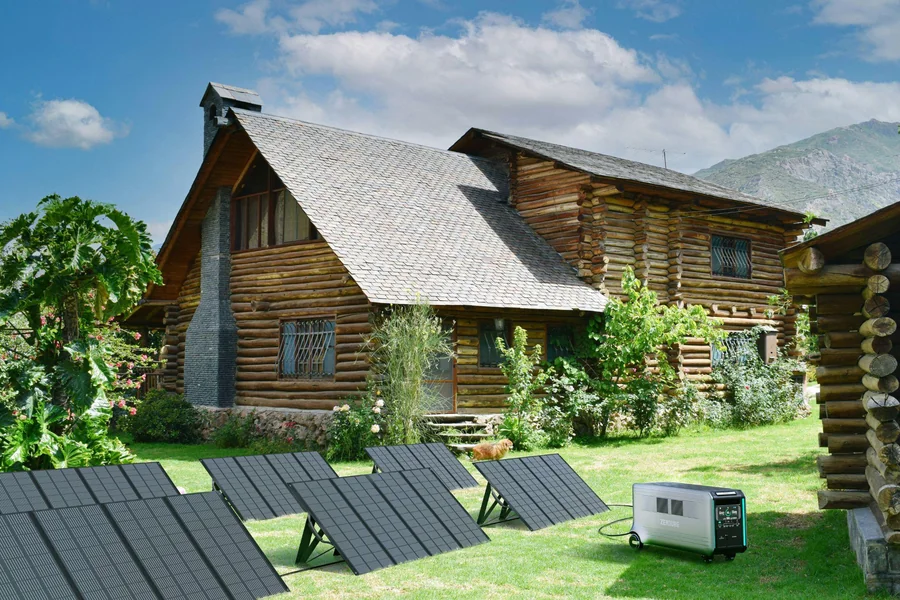
Modern energy systems are increasingly supported by intelligent technologies that monitor and adjust performance in real time. These systems provide detailed insights into energy production, storage levels, and consumption patterns, enabling users to make informed decisions about how and when energy is used.
Automation further enhances this capability by allowing devices to respond dynamically to available resources. For example, certain appliances can reduce usage during low-energy periods or increase efficiency when surplus energy is available. This level of control creates a more responsive and optimized energy environment within the home.
Authority Insight: Efficiency as a Core Principle
Energy independence is most effective when paired with efficient consumption. According to guidance from the U.S. Department of Energy, improving energy efficiency within a home can significantly reduce overall demand, making renewable systems more practical and cost-effective.
This reinforces the idea that generating energy alone is not enough. Homes must also be designed and operated in ways that minimize unnecessary consumption. When efficiency and generation are aligned, the entire system becomes more resilient and easier to maintain over time.
Balancing Comfort With Energy Awareness
Maintaining comfort while managing energy use is one of the key challenges of self-sufficient living. Heating, cooling, and daily appliance use all contribute to energy demand, making it important to find solutions that support both convenience and efficiency.
Devices such as smart thermostats, including systems developed by Mysa, allow homeowners to adjust temperature settings based on real-time conditions. This reduces unnecessary energy use while maintaining a comfortable indoor environment. Over time, these small adjustments contribute to a more balanced and sustainable system.
Long-Term Thinking in Energy Design
Adopting an integrated energy system is not just about immediate benefits; it is a long-term strategy that influences how a home performs over decades. Reduced reliance on external utilities, greater control over energy costs, and increased resilience all contribute to the long-term value of a property.
As technology continues to advance, these systems are expected to become even more efficient and accessible. This suggests that energy independence will increasingly be viewed as a standard feature of modern homes rather than an optional upgrade.
Homes as Active Energy Environments
The role of the home is expanding beyond passive living space into something more interactive and responsive. With integrated energy systems, homes can actively generate, store, and manage their own resources, creating a self-sustaining environment that adapts to the needs of its occupants.
This transformation reflects a broader shift in how people think about living spaces. Instead of relying entirely on external systems, homeowners are beginning to view their homes as capable of supporting themselves. In this context, energy is no longer just consumed, it is actively managed as part of everyday life.

Passionate about exploring diverse ideas and sharing inspiration, I curate content that sparks curiosity and encourages personal growth. Join me at ElementalNest.com for insights across a wide range of topics.