
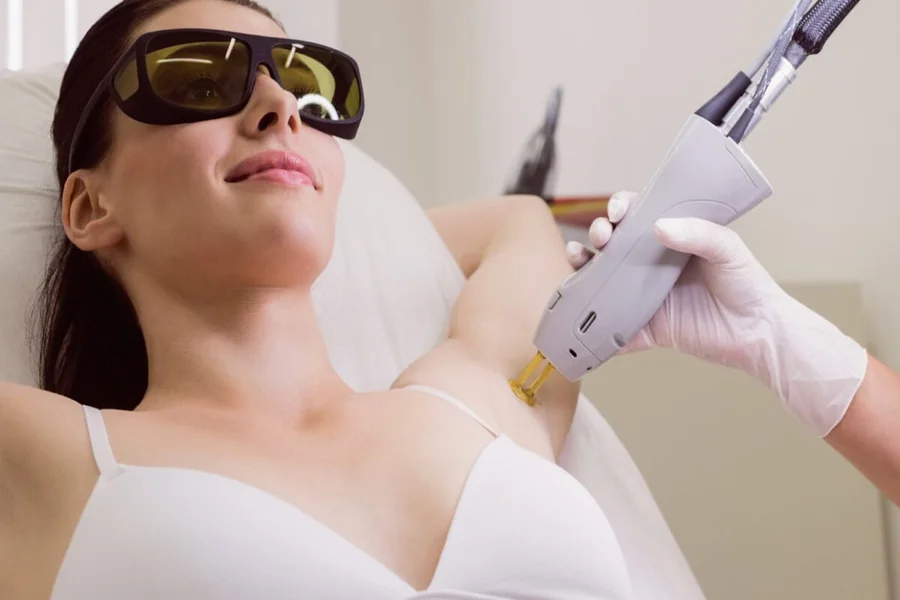
The popularity of cosmetic laser treatments has exploded in recent years, with procedures ranging from hair removal to skin rejuvenation becoming routine parts of many Australians’ beauty and wellness regimens. However, the increasing accessibility of these treatments masks a complex regulatory landscape designed to protect patient safety. Melbourne’s laser skin treatment industry operates under strict Victorian and national regulations that establish minimum standards for equipment, practitioner qualifications, and clinic operations. Understanding these protective frameworks empowers patients to make informed choices, identify compliant providers, and avoid the serious risks associated with unlicensed or improperly operated facilities.
Victoria’s Regulatory Framework for Laser Treatments
Victoria maintains comprehensive regulations governing cosmetic laser and intense pulsed light (IPL) procedures through the Radiation Act 2005 and associated regulations administered by the Department of Health. These laws recognize that laser devices emit radiation requiring careful control to prevent injury, making their operation fundamentally different from non-radiative cosmetic procedures.
All facilities offering laser skin treatments must register with the Department of Health and undergo regular inspections ensuring compliance with safety standards. This registration requirement applies regardless of whether services are provided by medical professionals, beauty therapists, or other practitioners. The regulatory framework treats laser equipment as radiation apparatus requiring specific handling, maintenance, and operational protocols.
Licensed operators must complete approved training programs demonstrating competency in both equipment operation and understanding of skin biology, radiation safety principles, and emergency response procedures. These qualifications extend beyond simple device operation training to encompass comprehensive knowledge ensuring practitioners can assess patient suitability, customize treatments appropriately, and recognize potential complications requiring medical attention.
Ongoing compliance obligations include regular equipment testing, maintenance documentation, incident reporting, and practitioner credential updates. These requirements ensure facilities maintain safety standards continuously rather than only at initial licensing, providing ongoing patient protection throughout a clinic’s operation.
Equipment Standards and Maintenance Requirements
Regulations specify stringent requirements for laser equipment used in cosmetic treatments. Devices must meet Australian standards for medical equipment, undergo regular calibration and maintenance by qualified technicians, and maintain documentation proving compliance with performance specifications.
Safety features including emergency shutoffs, protective eyewear requirements, warning signage, and controlled access to treatment areas represent mandatory rather than optional elements. Clinics failing to implement these safety measures violate regulations regardless of whether any actual injuries occur, recognizing that proper safety protocols prevent incidents rather than simply responding to them.
Equipment maintenance records must document regular servicing, calibration testing, and any repairs or adjustments affecting device performance. These records serve dual purposes—ensuring equipment operates within safe parameters and providing accountability if complications arise. Patients have rights to request verification that equipment used for their treatments maintains current compliance certification.
The rapid evolution of laser technology creates challenges for regulatory frameworks, but Victorian regulations address this through performance-based standards rather than device-specific approvals. This approach ensures new technologies receive appropriate safety oversight while avoiding the regulatory lag that might occur with equipment-specific approval processes.
Practitioner Qualifications and Scope of Practice
Not all laser treatments require identical practitioner qualifications, with regulations establishing tiered requirements based on treatment complexity, risk levels, and invasiveness. Understanding these distinctions helps patients assess whether practitioners offering specific treatments possess appropriate credentials.
Basic laser hair removal can be performed by trained beauty therapists who have completed approved courses and demonstrated competency in device operation and basic skin assessment. However, more complex treatments involving higher energy levels, treating pigmentation disorders, or addressing medical skin conditions typically require medical oversight or direct performance by qualified medical practitioners.
Training requirements extend beyond technical device operation to encompass patient assessment skills identifying contraindications, medical history factors affecting treatment safety, and potential complications requiring medical referral. Competent practitioners should conduct thorough consultations evaluating skin type, medical conditions, medications, and realistic outcome expectations before accepting patients for treatment.
Continuing education obligations ensure practitioners maintain current knowledge as techniques evolve and new research emerges. Regulations require minimum ongoing professional development, though conscientious practitioners typically exceed these minimums to provide optimal patient care and stay current with industry advances.
Pre-Treatment Consultation Requirements
Victorian regulations mandate comprehensive pre-treatment consultations before commencing laser procedures. These consultations serve as critical patient protection measures, ensuring informed consent and appropriate treatment customization rather than one-size-fits-all approaches that ignore individual patient characteristics.
Practitioners must document detailed medical histories including current medications, previous cosmetic procedures, skin conditions, and factors affecting treatment safety or efficacy. This documentation protects both patients and practitioners by establishing clear records of disclosure and assessment informing treatment decisions.
Patch testing requirements for certain treatments allow practitioners to assess individual skin responses before proceeding with full treatment areas. While not mandatory for all procedures, patch testing represents best practice for patients with darker skin tones, sensitive skin, or uncertain responses to laser energy.
Written treatment plans outlining expected number of sessions, anticipated results, potential side effects, and cost breakdowns ensure patients understand commitments before beginning treatment courses. These documents provide accountability and prevent misunderstandings about what treatments will achieve and what patients should expect throughout the process.
Informed Consent Standards
Informed consent represents a legal and ethical cornerstone of laser treatments, requiring practitioners to ensure patients genuinely understand procedures, risks, expected outcomes, and alternatives before proceeding. Victorian regulations establish minimum disclosure requirements protecting patients from undertaking treatments without adequate information.
Risk disclosure must include realistic assessment of potential complications specific to individual patient characteristics rather than generic statements applicable to all patients. A patient with darker skin tone faces different risks than one with lighter skin, and consent processes should reflect these individualized considerations.
Expected outcomes discussions should present realistic ranges rather than guaranteed results, acknowledging that individual responses vary based on genetics, hormonal factors, and treatment adherence. Practitioners who promise specific outcomes or guarantee results likely violate informed consent principles by creating unrealistic expectations.
Alternative treatment options should receive discussion even when practitioners believe laser approaches offer optimal solutions. Patients deserve understanding of non-laser alternatives, their comparative advantages and disadvantages, and why specific laser approaches suit their particular situations.
Complaint and Recourse Mechanisms
Despite regulations and safety protocols, issues sometimes arise requiring patient recourse. Understanding available complaint mechanisms empowers patients to address concerns and holds facilities accountable for regulatory compliance.
The Department of Health investigates complaints regarding unlicensed facilities, unqualified practitioners, or regulatory violations. These investigations can result in penalties, license suspensions, or facility closures protecting future patients from substandard providers.
Professional associations including the Australian Society of Plastic Surgeons and Cosmetic Physicians College of Australasia maintain complaint processes for members, though these only apply to practitioners voluntarily maintaining membership. Non-member practitioners face fewer professional oversight mechanisms beyond government regulation.
Consumer protection laws through Consumer Affairs Victoria address misleading advertising, unfair contract terms, and service delivery failures. These mechanisms provide additional patient protections beyond health and safety regulations specifically governing laser operations.
Identifying Compliant Providers
Patients can verify provider compliance through several mechanisms before committing to treatments. Requesting to see facility radiation licenses, practitioner qualifications, and equipment maintenance records represents reasonable due diligence rather than excessive caution.
Professional Melbourne laser skin clinic operations maintain readily accessible compliance documentation and welcome questions about credentials and safety protocols. Hesitation or inability to provide verification suggests potential compliance issues warranting skepticism.
Transparency about practitioner qualifications, years of experience, and specific training for treatments offered indicates professional operations confident in their credentials. Vague references to “certified practitioners” without specifics about certifying organizations or qualification levels should raise concerns.
Treatment pricing significantly below market averages sometimes indicates cost-cutting that compromises safety through outdated equipment, inadequately trained staff, or operational shortcuts. While expensive treatments don’t guarantee quality, suspiciously cheap offerings deserve scrutiny regarding whether providers can maintain appropriate safety standards at advertised prices.
Insurance and Liability Protections
Legitimate laser clinics maintain appropriate professional indemnity and public liability insurance protecting patients if complications arise from treatments. This insurance requirement represents both regulatory obligation and practical necessity for responsible operations.
Patients should verify insurance coverage exists before proceeding with treatments, particularly for more complex or higher-risk procedures. Uninsured or underinsured facilities create situations where patients bear financial responsibility for treating complications even when those complications result from practitioner error or equipment failure.
Consent forms often include liability waivers, but these cannot absolve practitioners from negligence or regulatory violations. Understanding that signing consent doesn’t eliminate practitioner accountability helps patients recognize their rights remain protected despite standard liability clauses.
Making Informed Choices
Selecting laser treatment providers requires balancing multiple considerations—practitioner qualifications, facility compliance, treatment costs, and outcome expectations. Regulations provide baseline safety frameworks, but optimal patient protection requires active engagement in provider selection.
Researching specific treatments before consultations enables informed questions about approaches, expected outcomes, and potential risks. Educated patients can better assess whether practitioner explanations align with established medical understanding or represent questionable claims deserving skepticism.
Providers like VicLaser that emphasize regulatory compliance, maintain transparent operations, and prioritize patient education over high-pressure sales demonstrate commitment to patient welfare beyond minimum legal requirements.
The regulatory landscape protecting laser treatment patients represents significant achievement in cosmetic procedure safety. However, regulations only protect patients who choose compliant providers and actively participate in their own safety through informed decision-making and appropriate provider selection.

Passionate about exploring diverse ideas and sharing inspiration, I curate content that sparks curiosity and encourages personal growth. Join me at ElementalNest.com for insights across a wide range of topics.