

There is a quiet shift happening in how people think about their homes.
For a long time, homes were designed around function, places to sleep, eat, and move between responsibilities. Over time, they also became extensions of productivity, filled with screens, schedules, and constant activity. But increasingly, there is a return to something more intentional.
The home is becoming a place not just to live, but to recover.
This shift is subtle, but meaningful. It reflects a growing awareness that environment shapes experience. How a space feels can influence how the mind settles, how the body responds, and how well a person is able to rest.
And in a world that often feels overstimulating, that sense of calm is becoming essential.
The Link Between Environment and Well-Being
It is easy to underestimate how much surroundings affect daily life. Lighting, sound, texture, and even the arrangement of objects can influence mood and focus in ways that are not always immediately obvious.
Cluttered spaces tend to create mental noise. Harsh lighting can increase tension. Constant background stimulation makes it harder to fully relax. Over time, these small factors accumulate, shaping how comfortable or overwhelmed a space feels.
On the other hand, environments designed with intention can have the opposite effect. Soft lighting, natural materials, and open, breathable layouts create a sense of ease. They allow the mind to slow down without effort.
This is where natural living begins, not as a trend, but as a response to how people want to feel in their own space.
Bringing Nature Back Into Daily Life
Nature has a grounding effect that is difficult to replicate artificially. Even small elements can make a noticeable difference.
Indoor plants introduce texture and life. Natural light, when allowed to move freely through a room, changes the atmosphere throughout the day. Materials like wood, linen, and stone bring a sense of warmth and stability.
These elements do not need to be dramatic. In fact, their impact often comes from subtlety.
A single plant in a quiet corner. A window left unobstructed. A space that allows light to shift naturally. These details create an environment that feels alive, rather than static. They also reconnect daily life with rhythms that exist beyond schedules and screens.
The Role of Ritual in Creating Calm
Calm is not only created through design. It is also shaped by how a space is used.
Small, consistent rituals can transform ordinary moments into something more grounding. Making tea in the morning without rushing. Sitting in a familiar chair at the end of the day. Opening a window and allowing fresh air to move through the room.
These actions may seem simple, but they create continuity. They signal transitions, from activity to rest, from noise to quiet. Over time, these rituals become part of how the home functions, not just as a place, but as an experience.
Reducing Stimulation to Restore Balance
Modern life is filled with constant input. Notifications, media, and background noise follow us into our homes, making it difficult to fully disconnect. Creating calm often begins with reducing this stimulation.
This does not require eliminating technology entirely. It can be as simple as setting boundaries, limiting screen use in certain areas, lowering noise levels, or creating spaces that are intentionally free from distraction. When stimulation is reduced, the mind has room to settle. Thoughts become less fragmented. Attention becomes more stable. This is where real rest begins.
Supporting Well-Being Through Everyday Choices
As people become more intentional about their environment, there is also a growing awareness of how daily choices support overall well-being.
This includes not only physical surroundings, but also what is introduced into those surroundings. From scents and textures to the types of products used in everyday routines, each element contributes to the overall experience.
In that context, many people explore plant-based options as part of a broader approach to relaxation and balance. Brands like Vena often come into view within this space, particularly for those interested in integrating CBD into their routines in a way that aligns with a natural, home-centered lifestyle. Rather than being a focal point, these elements tend to complement existing habits, contributing to a more cohesive sense of calm.
The Importance of Consistency Over Perfection
Creating a calm home does not require a complete transformation. It is not about achieving a perfect aesthetic or following a specific set of rules. What matters more is consistency.
Small changes, made gradually, often have a greater impact than large, unsustainable adjustments. Rearranging a space to allow more light. Removing items that no longer serve a purpose. Introducing a daily ritual that encourages pause.
These changes accumulate over time, shaping an environment that feels more supportive and less demanding.
What Research Suggests About Calm and Mental Health
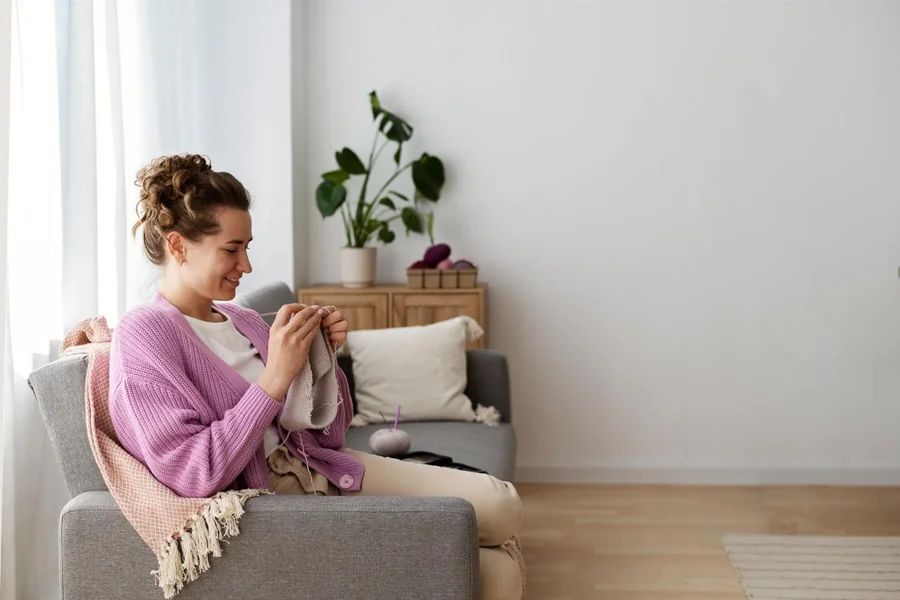
The connection between environment and mental well-being is increasingly supported by research. Exposure to calming spaces, natural elements, and reduced stimulation has been linked to lower stress levels and improved emotional balance.
Organisations like the National Institute of Mental Health highlight the importance of managing stress through both external and internal factors. While much of the focus is often placed on personal habits, the role of environment is just as significant.
This reinforces the idea that well-being is not created in isolation. It is influenced by the spaces we inhabit every day.
A More Intentional Way of Living
At its core, creating calm at home is about intention.
It is about choosing how a space feels, not just how it looks. It is about recognising which elements support well-being and which ones contribute to stress. And it is about making adjustments that reflect those observations.
This process is personal. What feels calming to one person may feel different to another. The goal is not to replicate a specific style, but to create a space that aligns with individual needs.
The Home as a Place to Return To
In a fast-paced world, the home is becoming something more than a place to stay. It is becoming a place to return to, mentally as well as physically. A place where attention can settle. Where the pace slows. Where the body and mind have space to recover.
This does not happen automatically. It is created, through small choices, repeated over time. And while those choices may seem simple, their impact is lasting. Because when a home supports calm, it does more than provide comfort. It creates a foundation for everything else. And in that sense, it becomes one of the most important spaces a person can design.
