
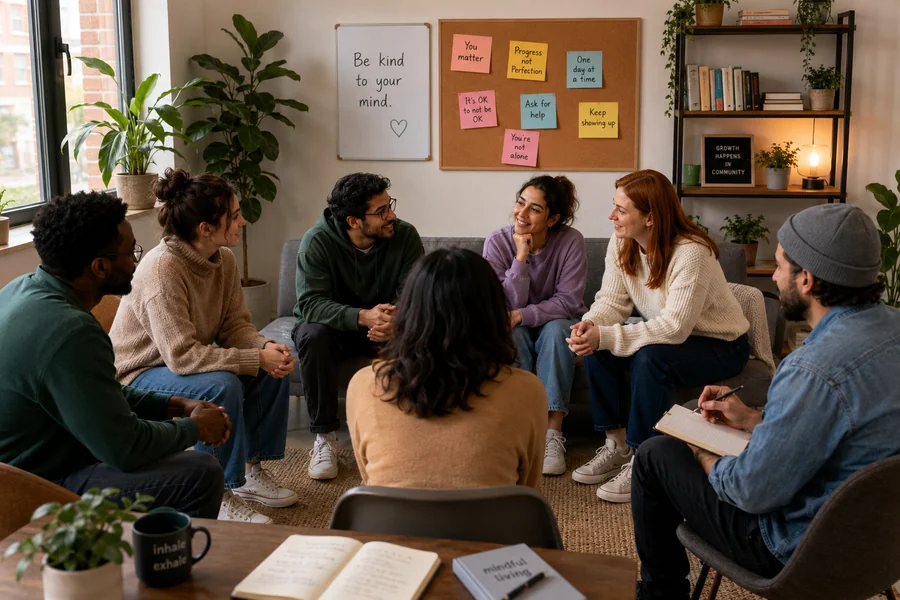
For years, recovery was often discussed in quiet corners of society. It was treated as a private struggle, something people only talked about when they had no other choice. Conversations were usually centered around crisis, relapse, or the visible signs of addiction. But today, the discussion is changing in ways that feel more honest, more compassionate, and far more connected to everyday life.
People are beginning to see recovery as part of a much larger conversation about personal wellness, mental health, emotional balance, and the pressure of modern living. Instead of viewing healing as a short-term process, many now understand it as an ongoing journey tied to identity, relationships, habits, and self-awareness.
This shift matters because it changes how people approach support, healing, and even the way they talk about themselves. Recovery is no longer isolated from the rest of life. It has become part of a broader dialogue about what it truly means to feel healthy, stable, and connected in a demanding world.
Why the Conversation Is Expanding
The modern wellness movement has played a major role in changing how people think about recovery. Social media, podcasts, online communities, and public discussions about mental health have made emotional struggles more visible than ever before.
People openly discuss burnout, anxiety, loneliness, emotional exhaustion, and unhealthy coping habits. As these conversations become more normalized, the line between “wellness” and “recovery” has started to blur. Many individuals are realizing that healing is not only about stopping destructive behaviors. It is also about understanding why those behaviors began in the first place.
That realization has created space for more nuanced discussions around Addiction Therapy and emotional wellness without relying on shame or outdated stereotypes.
More people now recognize that unhealthy coping patterns can develop for many reasons:
- Chronic stress
- Trauma
- Isolation
- Family dynamics
- Mental health struggles
- Social pressure
- Emotional burnout
These experiences are not rare. They are deeply human. Because of that, the conversation around recovery has become more relatable to people who may never have previously seen themselves reflected in it.
Wellness Is Becoming More Holistic
One of the biggest cultural shifts happening right now is the growing understanding that wellness is not just physical. A person can eat healthy meals, exercise regularly, and still feel emotionally overwhelmed or disconnected internally.
As a result, people are beginning to focus on wellness in a more complete way. Emotional health, sleep quality, relationships, stress management, boundaries, and self-awareness are all becoming part of the discussion.
This broader perspective naturally connects to recovery.
Someone navigating healing may also be rebuilding routines, learning emotional regulation, improving communication, or rediscovering a sense of purpose. These are not separate experiences from wellness. They are deeply connected to it.
The language people use is also evolving. Instead of framing recovery as punishment or restriction, many now talk about it in terms of balance, growth, stability, and quality of life. That subtle change in tone can make a meaningful difference in how people view the healing process.
The Pressure of Modern Life Cannot Be Ignored
The current conversation around recovery is also being shaped by the realities of modern life.
People are living in an always-connected culture where productivity is constantly emphasized. Work stress follows people home through phones and laptops. Social comparison happens every day online. Financial pressure, uncertainty, and emotional fatigue have become common experiences across generations.
In many ways, society has become more aware of how difficult it can be to maintain emotional balance under constant pressure.
This awareness has encouraged deeper conversations about coping mechanisms and personal habits. Rather than simply asking whether someone is functioning outwardly, people are starting to ask bigger questions:
- Are they emotionally healthy?
- Are they overwhelmed?
- Are they avoiding stress in harmful ways?
- Are they actually taking care of themselves mentally?
These discussions help remove some of the stigma that once surrounded Addiction Therapy and recovery-focused conversations. Instead of seeing addiction as a moral failure, more people now understand it within the larger context of emotional strain and human vulnerability.
Younger Generations Are Changing the Tone
Millennials and Gen Z have significantly influenced how recovery and wellness are discussed publicly. These generations tend to value transparency, emotional honesty, and mental health awareness more openly than previous generations.
Many younger adults are more willing to talk about therapy, boundaries, emotional burnout, and personal growth without embarrassment. They are also more likely to question unhealthy social norms around overworking, substance use, or emotional suppression.
Because of this shift, recovery conversations have become less clinical and more personal.
People are sharing real-life experiences online. They are discussing sobriety, emotional healing, mindfulness, and self-care in ways that feel accessible instead of intimidating. Some are even rethinking social habits entirely, choosing lifestyles centered around clarity, stability, and long-term wellness rather than temporary escape.
This does not mean recovery has become easy. It simply means the language surrounding it has become more compassionate and less isolating.
The Role of Community in Personal Wellness
One of the most important themes emerging from modern recovery discussions is the idea of connection.
For a long time, wellness was marketed as an individual responsibility. People were encouraged to “fix themselves” alone through discipline or willpower. But many are beginning to realize that healing rarely happens in isolation.
Healthy relationships, supportive communities, and honest conversations play a major role in emotional well-being. This is especially true for people navigating difficult life changes or rebuilding stability after unhealthy patterns.
Community can take many forms:
- Trusted friendships
- Support groups
- Family relationships
- Online wellness spaces
- Creative communities
- Fitness or mindfulness groups
Feeling understood often reduces shame, and reducing shame can open the door to healthier choices.
That is one reason why conversations around Addiction Therapy have become more integrated into larger discussions about emotional support systems and meaningful connection.
Recovery Is No Longer Viewed as One-Size-Fits-All
Another major shift happening today is the growing understanding that healing looks different for everyone.
People no longer expect recovery journeys to follow a perfectly linear path. There is greater recognition that personal growth can involve setbacks, adjustments, and evolving goals.
This broader perspective has created room for more individualized approaches to wellness and healing. Some people focus heavily on therapy and emotional processing. Others prioritize routine, physical health, spirituality, creativity, or mindfulness practices.
The important point is that people are moving away from rigid expectations and toward more sustainable forms of personal wellness.
That flexibility has helped many individuals feel less intimidated by the idea of seeking help or making life changes. When recovery is discussed as part of overall well-being instead of a label, the conversation becomes more approachable.
The Influence of Digital Culture
Digital culture has transformed the way people engage with conversations around wellness and recovery.
On one hand, social media can contribute to stress, comparison, and emotional exhaustion. On the other hand, it has also created access to supportive conversations that were once difficult to find.
People now encounter discussions about emotional health daily through podcasts, short videos, online forums, and wellness creators. Topics that were once considered taboo are now part of mainstream conversations.
This increased visibility has helped reduce feelings of isolation for many individuals. Someone struggling privately may suddenly realize that others share similar experiences with stress, unhealthy coping habits, or emotional burnout.
The internet has also helped expand awareness around
by making information and lived experiences more accessible to broader audiences. Instead of relying solely on formal discussions, people can now hear authentic stories from individuals navigating recovery in real time.
That human element matters. It reminds people that healing is not abstract. It is personal, ongoing, and deeply connected to everyday life.
Wellness Trends Are Becoming More Intentional
Another noticeable trend is the growing desire for intentional living.
Many people are reevaluating their routines, relationships, and habits more carefully than before. They are asking whether certain behaviors actually support their emotional well-being or simply distract from deeper stress.
This mindset has influenced everything from sleep habits to social drinking culture.
Practices like journaling, meditation, digital detoxing, mindfulness, and boundary-setting have become more mainstream because people are searching for ways to feel mentally grounded again.
While not every wellness trend is meaningful, the larger movement reflects a real cultural shift toward self-awareness.
People increasingly want lives that feel sustainable rather than performative. That pursuit naturally overlaps with recovery conversations because both involve examining patterns, understanding emotional needs, and creating healthier foundations.
Why Compassion Matters More Than Ever
Perhaps the most important change happening around recovery and wellness is the growing emphasis on compassion.
Old conversations often relied on judgment, labels, or fear-based messaging. Today, more people recognize that empathy creates better outcomes than shame ever could.
Compassion does not mean ignoring accountability. It means understanding that people are often carrying invisible struggles that affect how they cope, connect, and function daily.
When conversations become more compassionate, individuals may feel safer acknowledging challenges before they escalate further. They may also feel more willing to seek guidance, support, or Addiction Therapy without fearing social stigma.
That cultural shift can have lasting effects not only for individuals but for families, workplaces, and communities as well.
Looking Ahead
The broader conversation around recovery and personal wellness is still evolving, but one thing is becoming increasingly clear: people no longer want to separate emotional health from the rest of life.
Wellness is being redefined in more realistic and human terms. It is no longer just about appearances, productivity, or temporary motivation. Instead, it is becoming more connected to emotional resilience, self-awareness, meaningful relationships, and sustainable habits.
Recovery fits naturally within that conversation because healing is not isolated from daily living. It touches every part of a person’s life — their confidence, routines, relationships, mindset, and future goals.
As society continues to move toward more open discussions around mental health and emotional well-being, conversations about Addiction Therapy will likely become even more integrated into mainstream wellness culture.
And that may ultimately be one of the most positive changes of all: creating a world where healing is not hidden, judged, or misunderstood, but recognized as part of the broader human experience.

Passionate about exploring diverse ideas and sharing inspiration, I curate content that sparks curiosity and encourages personal growth. Join me at ElementalNest.com for insights across a wide range of topics.