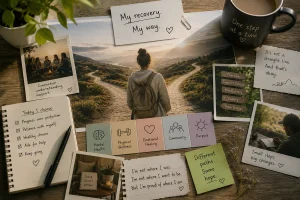
Staying active isn’t just about fitness goals or changing your appearance. Regular movement plays an important role in supporting both physical and mental well-being, especially for women balancing busy schedules, careers, families, and everyday responsibilities.
Whether you’re getting back into a routine after time away from exercise or simply trying to feel more energized throughout the day, physical activity can have a meaningful impact on your overall health. The key is shifting the mindset away from perfection and toward building sustainable habits that support long-term wellness.
From strength and endurance to stress management and better sleep, consistent movement can benefit nearly every part of your daily life.
The Physical Benefits of Staying Active
One of the most noticeable effects of regular exercise is improved physical health. Even small changes in activity levels can lead to long-term improvements over time.
Increased Strength and Endurance
As women incorporate movement into their routines consistently, many begin noticing improved strength, stamina, and overall energy levels.
Strength training, walking, cycling, and other forms of exercise help support:
- Muscle strength
- Joint stability
- Bone health
- Cardiovascular function
- Everyday mobility
Building strength isn’t only about lifting heavier weights. It’s also about making everyday tasks feel easier, improving posture, and supporting healthy aging over time.
Better Heart Health
Cardiovascular exercise remains one of the most effective ways to support heart health. Activities such as brisk walking, swimming, jogging, and cycling can improve circulation, endurance, and overall cardiovascular function. Even moderate activity performed consistently throughout the week can make a meaningful difference.
Improved Energy Levels
It may seem counterintuitive, but regular movement often increases energy rather than draining it. Physical activity helps improve circulation and oxygen flow throughout the body, which can help reduce feelings of sluggishness and fatigue.
Whether you’re working long hours or managing a packed schedule at home, regular exercise can help support better energy and productivity.
The Mental and Emotional Benefits of Exercise
Physical activity doesn’t just support the body. It can also have a significant impact on mental wellness.
Reduced Stress and Improved Mood
Exercise naturally encourages the release of endorphins, chemicals that help support positive mood and reduce stress. Whether you’re attending a fitness class, going for a walk outdoors, or practicing yoga at home, movement can provide a healthy outlet for stress and emotional tension. Many women also find that exercise creates valuable personal time during busy weeks, offering a chance to reset mentally and emotionally.
Better Sleep Quality
Regular physical activity may help improve sleep quality and consistency. Women who maintain active lifestyles often report falling asleep more easily and waking up feeling more rested. Since sleep plays such an important role in recovery, focus, and emotional well-being, this benefit can positively affect many other areas of daily life.
Increased Mental Clarity
Movement can also support focus and concentration. Many people notice improved mental clarity after exercise, especially when activity becomes part of a consistent routine. Whether you’re managing work responsibilities, parenting, or personal goals, maintaining physical activity can help support sharper thinking and reduce mental fatigue.
Types of Exercise That Support Overall Wellness
There’s no single “perfect” workout for every woman. The best routine is usually the one you genuinely enjoy and can maintain consistently.
Strength Training
Strength training helps build muscle, support bone density, and improve long-term physical function. This can include:
- Free weights
- Resistance bands
- Bodyweight exercises
- Strength-focused fitness classes
Many women are now incorporating strength workouts into their weekly routines because of the physical and functional benefits they provide.
Cardio Workouts
Cardiovascular exercise remains important for heart health, endurance, and energy levels. Popular options include:
- Walking
- Running
- Cycling
- Swimming
- Dance workouts
- Rowing
Whether you’re training intensely or simply staying active throughout the week, cardio can play an important role in overall wellness.
Yoga and Stretching
Flexibility and recovery matter just as much as strength and endurance. Yoga and stretching exercises may help improve:
- Mobility
- Balance
- Muscle recovery
- Stress management
- Mind-body awareness
For many women, these lower-impact activities also create opportunities to slow down and reconnect mentally during busy schedules.
Group Fitness and Low-Impact Activities
Some women stay more motivated when exercising with others. Group classes can create accountability, structure, and a stronger sense of community.
Low-impact options like Pilates, water aerobics, or guided mobility classes can also provide effective workouts while being gentler on the joints. For those looking to create a consistent routine, finding supportive environments like local fitness communities or gyms near my location can make staying active feel more approachable and sustainable.
Building Sustainable Fitness Habits
One of the biggest mistakes people make in fitness is focusing too heavily on short-term intensity rather than long-term consistency.
Focus on Consistency Over Perfection
You don’t need extreme workouts every day to experience the benefits of movement. Small, consistent habits often lead to more sustainable results over time. Even adding short walks, stretching sessions, or a few workouts each week can help support long-term wellness goals.
Choose Activities You Enjoy
Exercise becomes much easier to maintain when you actually enjoy the activity. Some women love structured strength training, while others prefer hiking, dance classes, or yoga. Finding movement that fits your personality and lifestyle increases the likelihood of staying consistent.
Prioritize Recovery and Balance
Rest and recovery are important parts of a healthy fitness routine. Overtraining can lead to burnout, fatigue, and injury. Listening to your body, getting enough sleep, and allowing time for recovery all contribute to a more balanced approach to wellness.
The Importance of Supportive Fitness Environments
Staying motivated can feel challenging at times, especially when life becomes busy. That’s why supportive fitness environments can make such a difference.
Having access to guidance, encouragement, and accountability often helps women feel more confident and comfortable sticking with their routines. Whether it’s group classes, workout partners, personal trainers, or welcoming gym communities, surrounding yourself with positive support can help make fitness feel less intimidating and more enjoyable.
Creating a Healthier Lifestyle Through Movement
Physical activity is about much more than appearance or short-term goals.
It’s about creating habits that support stronger physical health, improved mental well-being, and better overall balance in everyday life.
Whether you’re lifting weights, attending yoga classes, walking regularly, or trying new workouts for the first time, consistent movement can positively impact both your body and your mindset. By focusing on activities you enjoy, building realistic habits, and prioritizing overall wellness rather than perfection, you can create a healthier, more sustainable lifestyle.

Passionate about exploring diverse ideas and sharing inspiration, I curate content that sparks curiosity and encourages personal growth. Join me at ElementalNest.com for insights across a wide range of topics.