
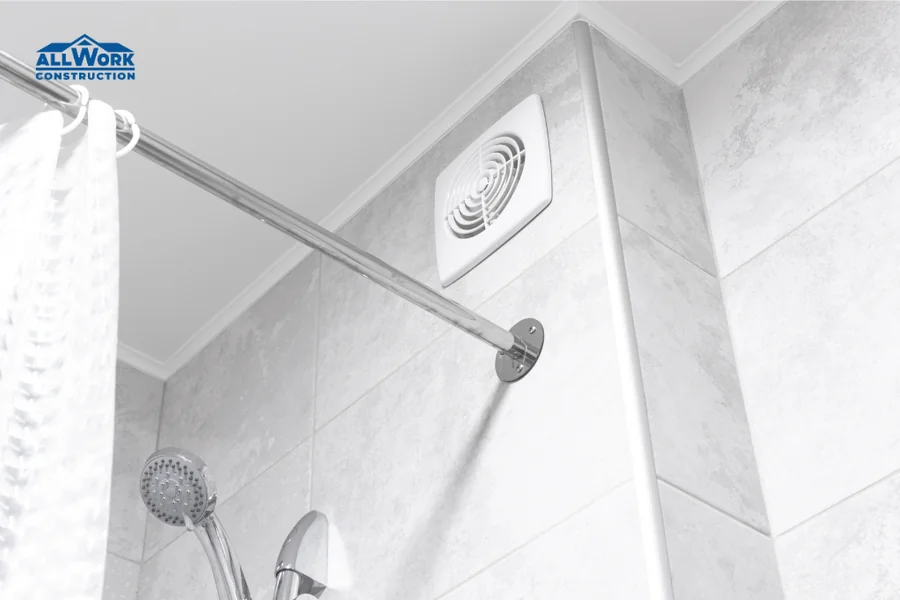
When homeowners begin planning a bathroom renovation, most of the attention naturally goes toward the visible parts of the project. Tile selections, shower designs, vanity styles, and lighting fixtures tend to dominate the conversation. Ventilation rarely receives the same level of excitement.
That is understandable. Nobody scrolls through renovation galleries looking for exhaust fans. Homeowners dream about larger showers, better storage, and finishes that make the space feel more modern. Yet after years of working in older New England homes, many remodeling contractors will tell you the same thing: some of the most expensive bathroom problems start with moisture, not materials.
A bathroom may look beautiful on the day construction is completed. The tile may be flawless, the vanity perfectly installed, and the fixtures sparkling. But if humidity is not properly managed, the room can begin aging much faster than expected. Paint may start peeling. Grout can discolor. Wood finishes may show wear earlier than they should. In many cases, homeowners assume the problem is the product itself when the real issue is airflow.
For homeowners considering bathroom remodeling Reading, MA, ventilation deserves far more attention than it usually receives during the planning stage.
The Bathroom Looked Fine Until Demolition Started
One of the interesting things about bathroom remodeling is how often hidden problems remain hidden for years.
A homeowner may notice a small stain near the ceiling. Maybe the mirror stays fogged after every shower. Perhaps the room always feels slightly damp during the summer months. None of these issues seem serious enough to justify concern.
Then demolition begins.
Once walls are opened and old materials are removed, signs of long-term moisture exposure often become visible. It is not always dramatic damage. Sometimes it is softened drywall around a vent opening. Sometimes it is insulation that has absorbed years of humidity. Other times it is evidence of moisture repeatedly collecting in areas that homeowners never had a chance to see.
The surprising part is that many of these bathrooms still looked perfectly functional from the outside. The issue was not water entering the room. The issue was moisture never fully leaving it.
Why Older Homes Around Reading Often Need Ventilation Upgrades
Reading has a housing stock that spans several generations. Some homes were built when bathroom ventilation standards looked very different from what contractors install today. Others have been renovated multiple times over the years, creating situations where the finishes were updated but the airflow system remained largely untouched.
Many older bathrooms originally relied on a small window and a basic exhaust fan. At the time, that may have been sufficient. Today’s bathrooms, however, are often used very differently.
Families take longer showers. Bathrooms are expected to function as more comfortable and relaxing spaces. Modern homes are also significantly tighter than older construction. Better insulation and more efficient windows reduce energy loss, but they also reduce the natural air movement that older homes once relied upon.
As a result, a bathroom that seemed perfectly adequate thirty years ago may now trap considerably more humidity than its designers ever intended.
The Most Expensive Tile in the Room Cannot Solve a Moisture Problem
Homeowners naturally focus on finishes because those are the parts of the renovation they interact with every day.
A project may include premium porcelain tile, custom cabinetry, frameless glass, upgraded lighting, and luxury plumbing fixtures. These improvements can completely transform the appearance of the space.
What they cannot do is remove moisture.
Humidity does not care whether a bathroom contains basic materials or high-end finishes. If excess moisture remains trapped in the room, it gradually affects everything around it. Grout may require more maintenance. Paint may need touch-ups sooner. Cabinet finishes may deteriorate faster than expected.
This is one reason experienced contractors often view ventilation as a protective system rather than simply a mechanical feature. It helps preserve every other investment made during the renovation.
The Difference Homeowners Usually Notice First
Interestingly, the first benefits of improved ventilation are rarely visual.
Homeowners often describe the bathroom as feeling different.
The mirror clears more quickly after a shower. Towels dry faster. The room no longer feels damp late in the evening. During humid summer weather, the air feels fresher and more comfortable.
These changes may seem minor, but they have a surprisingly large impact on how a bathroom functions every day. A room that remains dry tends to stay cleaner, smell fresher, and require less maintenance over time.
Many homeowners only realize how much humidity was lingering in the space after the problem disappears.
Winter Creates a Different Set of Challenges
Ventilation becomes particularly important during New England winters.
When outdoor temperatures drop, windows stay closed for extended periods. Homes become more sealed against the weather. Warm showers continue producing the same amount of humidity, but the opportunities for that moisture to escape naturally become much more limited.
Contractors often see the effects in older bathrooms. Condensation appears on windows. Moisture collects near exterior walls. Paint begins showing wear in places where humidity repeatedly accumulates.
Because these issues develop gradually, homeowners sometimes assume they are simply part of living in an older home. In reality, many of them can be reduced significantly with proper ventilation planning during a bathroom remodel.
Moisture Does Not Always Stay Inside the Bathroom
One of the biggest misconceptions homeowners have is that bathroom humidity remains confined to the room where it originates.
In practice, moisture moves.
Warm, humid air travels into adjacent spaces, wall cavities, and attic areas. Over the course of many years, this movement can affect parts of the house that seem completely unrelated to the bathroom itself.
That is why proper exhaust routing matters just as much as the fan. Simply moving humid air into another enclosed area does not solve the problem. The goal is to remove moisture from the home entirely.
Contractors frequently discover situations where an exhaust system technically existed but was not venting efficiently. The bathroom appeared functional, yet humidity had been accumulating elsewhere in the structure for years.
Modern Bathroom Trends Increase the Need for Better Airflow
Many of today’s most popular bathroom upgrades also generate additional humidity.
Large walk-in showers have become increasingly common. Rainfall showerheads, enclosed glass systems, body sprays, and spa-inspired layouts all improve comfort and create a more luxurious experience.
They also produce more moisture than the bathrooms found in many older homes.
There is nothing wrong with these upgrades. In fact, they are among the most requested features in modern remodeling projects. The important point is that the ventilation system should evolve alongside them.
A larger shower should not simply receive better tile. It should receive airflow capable of supporting the way the space will actually be used.
Looking Beyond the Day Construction Ends
One of the easiest ways to evaluate a bathroom renovation is to ask a simple question:
How will this room perform ten years from now?
Many remodeling decisions look excellent immediately after installation. The real test comes later.
Will the paint still look clean?
Will the cabinetry remain in good condition?
Will the room continue feeling fresh and comfortable?
Ventilation plays a significant role in all of those outcomes.
The most successful bathrooms are not always the ones with the largest budgets or the most expensive finishes. They are often the ones where the hidden systems behind the walls received the same level of attention as the visible design choices.
Why Contractors Pay Attention to Ventilation Early
Experienced remodeling professionals often discuss ventilation much earlier than homeowners expect.
That is not because they are trying to add unnecessary work to a project. It is because they have seen what happens when airflow is overlooked.
A bathroom renovation represents a rare opportunity to address everything at once. Walls are open. Electrical systems can be upgraded. Mechanical improvements can be made before new finishes are installed.
Waiting until problems appear later is almost always more expensive than addressing them during the renovation itself.
Final Thoughts
When people think about bathroom remodeling, they naturally focus on the features they can see. New tile, larger showers, custom vanities, and updated lighting all play important roles in creating a space that feels modern and comfortable.
Ventilation is different. It works quietly in the background. Most homeowners never think about it once the project is finished.
That is precisely why it matters.
For homeowners planning bathroom remodeling in Reading, MA, proper ventilation helps protect materials, improve comfort, manage moisture, and extend the life of the entire renovation. It may never become the centerpiece of the project, but it often ends up being one of the smartest investments made during the remodel.
Years later, when the bathroom still looks clean, feels comfortable, and performs the way it should, the benefits of good ventilation become impossible to ignore.

Passionate about exploring diverse ideas and sharing inspiration, I curate content that sparks curiosity and encourages personal growth. Join me at ElementalNest.com for insights across a wide range of topics.