
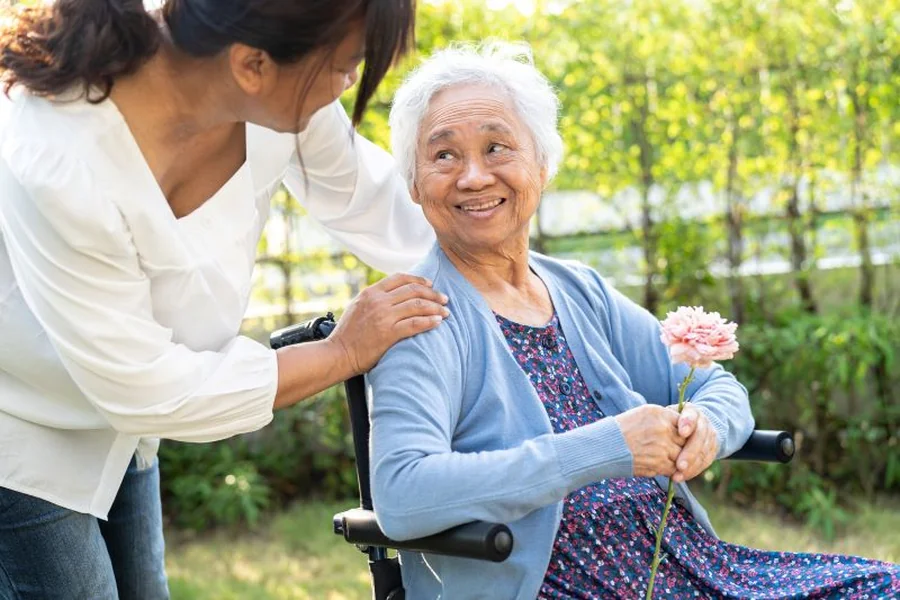
There’s a lot of attention paid to the emotional weight of caring for an aging parent or an ill family member, and rightly so. What gets talked about far less is the physical toll it takes on the caregiver’s own body, day after day, often for years. Helping someone in and out of bed, up a flight of stairs, or into a car isn’t a one-time task, it’s a repeated physical demand that adds up in ways most people don’t plan for until their back or shoulders start telling them otherwise.
The Hidden Physical Toll
Caregiver injury is one of the least discussed risks in home caregiving, but it’s remarkably common. Lifting or supporting another adult’s body weight, especially awkwardly or on stairs, puts real strain on joints and the lower back. Occupational therapists who work with home caregivers often say the injuries they see aren’t dramatic, they’re cumulative: small strains that build over months until something gives out. And when the caregiver gets hurt, the person they’re caring for often loses their support system too.
Why the Right Equipment Changes Everything
This is where equipment choice quietly becomes a wellness issue rather than just a logistics one. Families managing mobility challenges at home, particularly around stairs, often don’t realize there’s a real alternative to manual lifting until an occupational therapist or discharge planner mentions it. Purpose-built transport equipment, like a properly designed stair chair, distributes weight and provides stable handling in a way that protects both the person being moved and the person doing the moving.
That’s a meaningful distinction from improvising with a regular chair or attempting a manual carry, both of which put uneven strain on the caregiver and can be genuinely unsafe on stairs. Equipment built specifically for patient transport, the kind used by EMS crews and fire-rescue teams for exactly this kind of stair descent scenario, brings a level of stability and control that reduces risk for everyone involved, not just the person being transported.
What to Look For Before You Buy
Not every mobility aid is designed with stairs in mind, and that’s usually where families get caught out. A good stair chair should have secure harnessing, a stable center of gravity, and handles positioned so the person guiding it isn’t straining their back to keep control. Weight capacity matters too, and it’s worth checking that a chair is rated for the actual person’s weight with some margin, not just an average estimate. Equipment built from established brands with a track record in EMS and healthcare settings, rather than generic home mobility products, tends to hold up better under repeated use.
Building a Calmer Home Environment
Beyond the physical safety piece, there’s a quieter wellness benefit here too. Caregiving already carries enough stress without every transfer or trip down the stairs feeling like a small crisis to manage. Having the right equipment on hand turns a tense, effortful moment into a routine one, which matters for the emotional atmosphere of the home as much as the physical safety of it. Reducing the number of high-stress moments in a day adds up over time, for both the caregiver and the person they’re caring for.
A Small Change With a Big Ripple Effect
Caregiving is rarely a short-term arrangement, and the wellness cost of doing it without the right tools compounds the longer it goes on. Investing in proper transport equipment early, before an injury forces the issue, is one of the more overlooked ways families can protect not just the person receiving care, but the person providing it.
Frequently Asked Questions
When should a family consider a stair chair instead of manual transfers?
As soon as regular stair transfers start feeling physically difficult or risky for the caregiver, it’s worth looking into purpose-built equipment rather than waiting for an injury or fall to force the decision.
Are stair chairs only for people who can’t walk at all?
No. Many are used for people with limited mobility, balance issues, or fatigue who can walk short distances but shouldn’t attempt stairs unassisted.
Can one person safely operate a stair chair alone?
It depends on the model and the situation, but many are designed with controls that allow a single trained caregiver to manage the descent safely, though having a second person present is often recommended for added safety.
Is this kind of equipment only used by professionals?
Not anymore. While originally designed for EMS and fire-rescue use, many families now use the same style of equipment at home for exactly the same safety reasons.

Passionate about exploring diverse ideas and sharing inspiration, I curate content that sparks curiosity and encourages personal growth. Join me at ElementalNest.com for insights across a wide range of topics.