
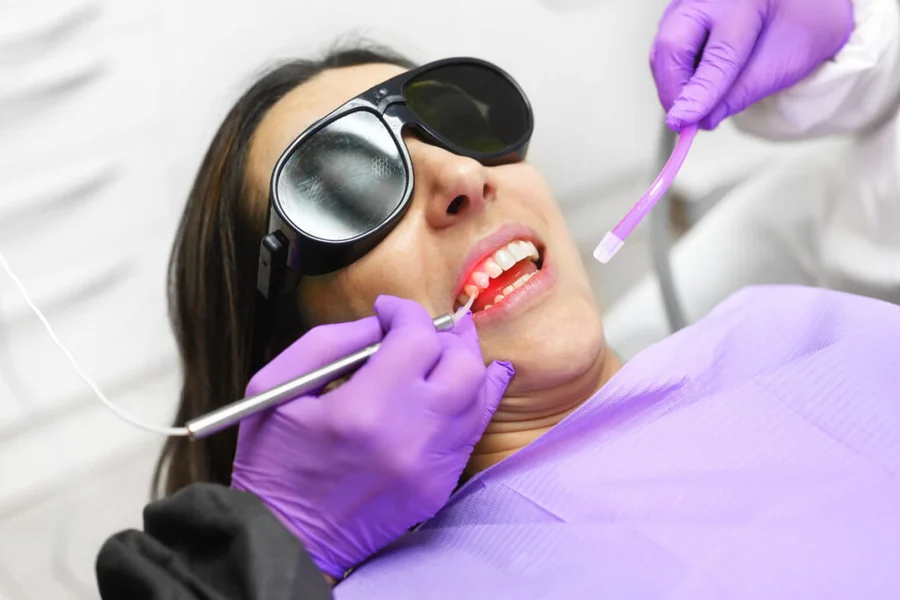
Advanced gum disease can quietly damage the gums and supporting bone, even when discomfort seems minor. Laser periodontal treatment offers a focused approach that clears infected tissue from deep pockets, removes bacteria, and preserves healthier areas. The technology matters, yet clinical judgment determines how safely and effectively it is used.
Experienced specialists assess pocket depth, inflammation, bone support, bite forces, medical risks, and home-care habits to form a sound treatment recommendation. That detailed evaluation helps distinguish cases suited for laser care from those that require deep cleaning, regenerative procedures, or conventional pocket correction. Patients receive greater value when treatment follows the disease pattern, with due attention to tobacco use, diabetes, stress, bruxism, hormonal changes, genetics, or certain medications. Read this article for a better understanding.
Specialist Judgment Shapes the Treatment Plan
A skilled periodontist brings advanced training in gum disease, bone loss, implant health, plus surgical care to every decision. The examination may include periodontal measurements, tissue condition, tooth mobility, bite changes, and previous response to deep cleaning. This evidence helps define the laser settings, treatment sequence, and areas that need added attention. It also prevents unnecessary intervention where healthy tissue can remain undisturbed.
Precision During Laser Therapy
Laser energy must reach diseased pocket tissue and avoid trauma to nearby structures. Experience supports accurate control of pulse intensity, tip placement, and treatment depth throughout the procedure. Sound judgment also helps the clinician coordinate laser use with mechanical deposit removal.
- Targeted energy removes bacteria and infected tissue from periodontal pockets and preserves viable tissue.
- Hardened dental plaque and calculus become easier to remove with hand instruments or ultrasonic tools after laser application.
- Careful technique can reduce incisions, sutures, postoperative soreness, and tissue disruption for suitable patients.
Clinical Experience Protects Healthy Tissue
Advanced disease rarely affects every tooth in the same way, so treatment requires tooth-specific decisions. An experienced clinician can adjust the approach when pockets vary in depth, bone contours appear irregular, or inflammation persists around complex root surfaces. Laser therapy may complement scaling and root planing rather than replace it. Severe defects may still need pocket reduction, bone grafts, or guided tissue regeneration to restore support.
Recovery, Reassessment, and Maintenance
Treatment success depends on what happens after the laser procedure, not just during the appointment. A qualified periodontist reviews tissue response, pocket changes, plaque control, plus tooth stability during follow-up visits. Scheduled reviews support early action when inflammation or pocket depth begins to rise.
- Clear home-care guidance helps patients control bacterial buildup between professional appointments.
- Reassessment identifies areas that have healed well and sites that require additional therapy.
- Three-month periodontal maintenance can help control biofilm, inflammation, and renewed bone loss in patients with chronic disease.
Board Certification Adds Confidence
Board-certified specialists complete advanced periodontal education and demonstrate a high level of professional knowledge. Their background supports decisions across non-surgical therapy, laser care, sedation, regenerative treatment, implant procedures, and long-term disease control. Such breadth is valuable when findings change during care or when several treatment methods must work together. Patients also benefit from clear explanations that connect clinical findings with realistic goals.
Experienced periodontal care turns laser technology into a precise treatment tool rather than a stand-alone promise. Specialist preparation, careful execution, and disciplined maintenance can protect comfort, function, and tooth support. The strongest results emerge when the procedure matches the patient’s exact condition.

Passionate about exploring diverse ideas and sharing inspiration, I curate content that sparks curiosity and encourages personal growth. Join me at ElementalNest.com for insights across a wide range of topics.