
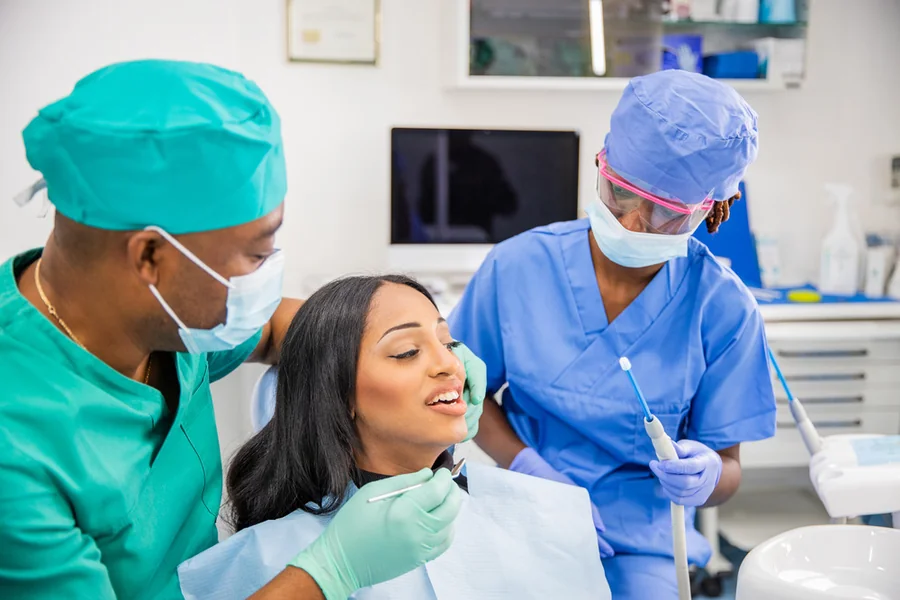
Some dental problems cannot be resolved with a filling, cleaning, or routine extraction. Impacted teeth, advanced gum damage, bone loss, and persistent infection may require treatment below the gumline or within the jaw. Oral surgery can help remove diseased tissue, protect nearby structures, and restore oral function. This article discusses situations in which surgery may become a practical part of the treatment plan in North York.
Impacted Wisdom Teeth in North York
Wisdom teeth may stay trapped under the gums or emerge at an angle. A dental clinic North York can use X-rays to assess their position. Partial eruption can create a pocket where bacteria collect. Removal may help prevent infection and nearby tooth damage.
Pain, swelling, or limited jaw movement can suggest that the tooth is pressing on nearby tissue or has become infected. X-rays help show if the tooth is likely to harm the second molar, crowd the area, or remain stable. This makes it easier to judge if observation or extraction is the more suitable option.
Teeth That Cannot Be Repaired
Decay or fractures can leave too little structure for a crown. Extraction may become necessary when the tooth cannot function safely. It may also be needed when root infection persists. The decision should follow an exam and dental images.
Patients in North York should ask why repair is no longer practical. The answer should cover nearby teeth, bone, and bite function. Recovery and replacement options should also be clear. These facts make the choice easier to assess.
Severe Gum and Bone Damage
Advanced gum disease can create deep pockets, bone loss, and loose teeth. A surgical procedure may remove infected tissue or expose tooth roots. It may also prepare the area for further treatment.
Signs That Need Prompt Review
- Gums that bleed with light contact
- Persistent swelling or discharge
- Teeth that feel loose
- Gum recession with root exposure
Clear aftercare may help improve healing and plaque control. Follow-up checks show how the gums respond.
Bone Loss Before an Implant
Dental implants need enough healthy jawbone to remain stable under daily pressure. Bone loss can leave the implant site too narrow, too shallow, or too weak for secure placement. A bone graft may rebuild part of the missing structure and create a stronger base for the implant. The amount of graft material depends on the location, the degree of bone loss, and the size of the planned implant.
A dental clinic in North York can review X-rays or 3D scans to confirm if a graft is necessary. Patients should ask where the graft material comes from, how long recovery may take, and when implant placement can begin. It is also useful to discuss total costs, possible alternatives, and the chance that added treatment may be required. These details help patients compare the benefits, limits, and timeline before surgery.
Cysts, Lesions, or Persistent Infection
A sore or discoloured patch that does not heal needs review. Some changes require a biopsy for tissue analysis. Surgery may also treat a cyst or infection near a root tip. Assessment helps define the cause and protect nearby tissue.
People in North York should report numbness, repeated swelling, or a sore that lasts over two weeks. X-rays may reveal changes not visible at home. The provider can explain why removal, drainage, or a tissue sample is advised. A diagnosis guides the next step.
Oral surgery may be necessary when disease or damage extends below the visible surface. Impacted teeth, decay, gum damage, bone loss, and lesions need assessment. Patients in North York should receive clear reasons, alternatives, costs, and recovery instructions. A sound decision helps protect comfort, function, and tissue.

Passionate about exploring diverse ideas and sharing inspiration, I curate content that sparks curiosity and encourages personal growth. Join me at ElementalNest.com for insights across a wide range of topics.