
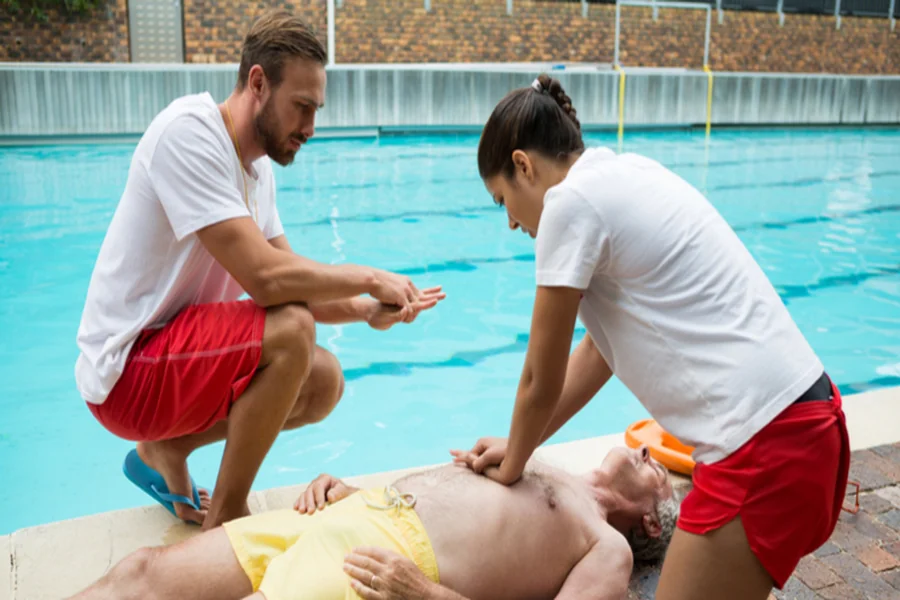
Swimming pools can be a source of recreation, exercise, and relief during warm weather, but they can also create serious risks when property owners fail to maintain safe conditions. A pool area may look inviting while hiding dangers that can lead to life-changing injuries.
Drowning, near-drowning, diving trauma, slip-and-fall accidents, chemical exposure, and unsafe supervision can all raise questions about property safety. When a pool accident happens at an apartment complex, hotel, gym, private club, public facility, or residential property, the details may determine whether a premises liability claim is possible.
Why Pool Areas Require Careful Safety Management
Pool areas need constant attention because the risks are different from ordinary walking spaces. Water makes surfaces slippery, people often walk barefoot, children may run or play near the edge, and swimmers may enter areas where depth changes quickly. A small failure in maintenance or supervision can create serious danger.
Property owners and managers must consider how people actually use the pool area. This may include keeping walkways clear, maintaining gates and fences, posting rules, marking depths, repairing broken tiles, checking drains, and responding quickly to dangerous behavior or equipment problems. When those responsibilities are ignored, the pool can become unsafe for guests and residents.
Drowning and Near-Drowning Incidents
Drowning can happen quickly and quietly. A person in distress may not always splash, yell, or draw attention. Children, inexperienced swimmers, older adults, and people with medical conditions may be especially vulnerable in pools that lack proper safety controls.
Near-drowning incidents can also cause severe harm. Even when a person survives, lack of oxygen may lead to brain injuries, lung complications, emotional trauma, or long-term medical needs. These cases often require a close look at whether safety equipment, supervision, barriers, warnings, or emergency response procedures were adequate.
Diving Accidents and Hidden Depth Dangers
Diving injuries are among the most severe poolside accidents. When someone dives into shallow water or an area that is not clearly marked, they may suffer head, neck, spinal cord, or traumatic brain injuries. These injuries can lead to paralysis, permanent disability, or lifelong care needs.
Depth markings, “no diving” signs, lighting, and pool layout can all become important. If a pool owner failed to warn swimmers about shallow areas, allowed faded markings to remain, or did not correct a confusing design, the injury may involve more than poor judgment by the swimmer.
Slippery Surfaces Around the Pool
Wet decks, broken tiles, loose mats, algae buildup, poor drainage, and puddled water can make pool areas dangerous even for people who never enter the water. A person may slip while walking to a chair, stepping out of the pool, using stairs, or moving through a changing area.
This is where the Law Offices of Jay S. Knispel Personal Injury Lawyers may help examine whether the property owner failed to maintain a reasonably safe poolside environment. Evidence such as photos, maintenance records, inspection logs, and witness statements can help show whether the slippery condition was ignored or allowed to continue.
Faulty Gates, Fences, and Access Controls
Pool barriers are especially important when children may be nearby. Gates, locks, fencing, and access systems can help prevent unsupervised entry into dangerous areas. If these protections are broken, missing, or easy to bypass, a child or unauthorized person may enter the pool area without anyone noticing.
A defective gate can become a major issue in a premises liability claim. Prior complaints, repair requests, security footage, and maintenance logs may show whether the owner knew the barrier was unsafe. When access controls fail, the case may focus on whether reasonable steps could have prevented the accident.
Chemical Exposure and Poor Water Maintenance
Pools require chemical treatment to remain safe, but improper chemical use can cause harm. Too much chlorine, poor ventilation in indoor pools, chemical spills, or incorrect mixing can lead to skin burns, eye irritation, breathing problems, nausea, or more serious toxic exposure.
Poor water maintenance can also create health risks. Cloudy water may make it harder to see a swimmer in distress, while untreated water may expose guests to bacteria or illness. Records showing chemical testing, cleaning schedules, and maintenance routines can help determine whether the pool was properly managed.
Broken Equipment and Unsafe Pool Features
Pool ladders, handrails, drains, diving boards, stairs, lights, filters, and covers must be properly maintained. A loose ladder can cause a fall, a broken light may reduce visibility, and a defective drain may create dangerous suction. Even furniture or umbrellas around the pool can create hazards if they are unstable or poorly placed.
When equipment is old, damaged, or repeatedly repaired without solving the problem, the owner may have had notice of the danger. Inspection reports, service records, and prior incident history may reveal whether the hazard was a sudden failure or part of a pattern of neglect.
Moving Forward After a Serious Pool Accident
Pool accidents can leave families dealing with shock, grief, medical bills, rehabilitation, and uncertainty. The property owner may claim the incident was unavoidable, while insurers may argue that the injured person or family was responsible. These cases often require a careful review of what happened before, during, and after the accident.
A strong claim may depend on showing that the pool area had unsafe conditions, inadequate warnings, poor maintenance, broken safety features, or delayed emergency response. When preventable hazards contribute to drowning, diving trauma, or other serious injuries, premises liability law may provide a path toward accountability.

Passionate about exploring diverse ideas and sharing inspiration, I curate content that sparks curiosity and encourages personal growth. Join me at ElementalNest.com for insights across a wide range of topics.