
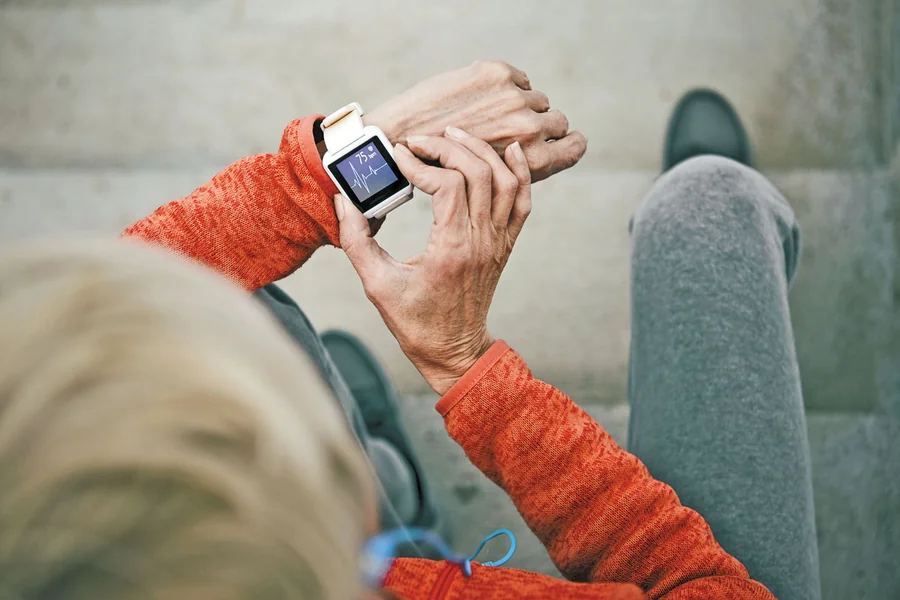
Wearable health technology has changed how millions of people approach personal wellness and heart monitoring. Smartwatches can track heart rates, monitor activity levels, and even detect certain irregular heart rhythms. However, according to Dr. Barbara L Robinson, many patients mistakenly believe that collecting health data is the same as receiving expert cardiovascular care. While wearable devices provide valuable information, they cannot replace the diagnostic expertise, clinical judgment, and personalized evaluation provided by a trained cardiologist.
The Growing Appeal of Wearable Heart Monitoring
In the past ten years, smartwatches and other wearable health devices have become a lot more popular. People like how easy it is to keep an eye on their heart rates, sleep patterns, exercise levels, and overall health in real time. Many people’s ideas about how to avoid getting sick and deal with illnesses have changed since they can always see their own health information. Wearable technology can give some people a greater sense of control over their health choices.
But sometimes this growing confidence can lead to a false sense of safety. Patients might think that there is no trouble if their smartwatch doesn’t show any. Unfortunately, many heart conditions worsen over time and don’t always show symptoms detectable by consumer devices. Some people put off getting the medical exams they need because they only use data from wearable tech.
Healthcare professionals know that smart tech can be a useful additional source of information. These gadgets can help people form better habits and learn more about heart health. However, they function best when used alongside professional medical care rather than as replacements for clinical evaluation. For patient safety, it is still important to know what these devices can’t do.
What Smartwatches Are Designed to Do
Many modern smartwatches have amazing features for tracking a person’s health. Many devices can detect irregular heart rhythms, track changes in heart rate, estimate blood oxygen levels, and monitor exercise routines. These tools have helped some users get help for certain conditions sooner. Wearable tech has become an important way to raise health awareness because of this.
Smartwatches still can’t do much medical work, even with these improvements. Instead of conducting full medical exams, they rely on algorithms designed to find specific, measurable patterns. They can’t look at a person’s full medical history, family history, symptoms, or general risk profile for heart disease. Because of this limitation, it’s possible to miss important warning signs.
Wearable monitoring can’t detect all serious heart problems. Heart problems like coronary artery disease, structural heart problems, valve problems, and some types of heart failure often need more advanced imaging and specialized tests. These situations may get worse without anyone noticing, even if wearable tech keeps showing normal readings. This gap can cause dangerously long wait times for diagnosis and treatment.
Why Symptoms Should Never Be Ignored
One of the most concerning trends among smartwatch users is the tendency to trust device readings over physical symptoms. People experiencing chest pain, fatigue, dizziness, or shortness of breath may not pay attention to their symptoms if their smartwatch shows they are not active. This false reassurance can lead to important medical tests being put off. Sadly, some important heart events can occur without your smartwatch sending any alerts.
Cardiologists evaluate patients using a much broader clinical framework. They consider symptoms, family history, lifestyle habits, medications, existing medical conditions, and diagnostic testing results. With this all-around approach, doctors can find patterns that wearable tech just can’t detect. When assessing cardiovascular risk, clinical knowledge remains very important.
Rather than seeing symptoms as bothersome things to ignore, patients should see them as important pieces of medical knowledge. No matter what a smartwatch says, any symptoms that don’t go away or are cause for worry should be checked out by a doctor. Often, early intervention makes things much better. Seeking timely medical advice remains one of the most effective ways to protect heart health.
Diagnostic Tools That Wearables Cannot Replace
Cardiovascular medicine relies on advanced diagnostic technologies that extend far beyond the capabilities of consumer wearables. Electrocardiograms, echocardiograms, stress tests, CT scans, MRI scans, and cardiac surgery all provide a lot of information about how the heart works and is built. These tools allow physicians to identify problems that remain invisible to wearable devices. On top of that, they help doctors make much better treatment decisions.
Imaging tests can detect narrowed arteries, damaged heart muscle, valve problems, and structural flaws before symptoms worsen. Risk factors such as high cholesterol, inflammation, and metabolic disorders can be identified through lab tests. All of these tests together give a full picture of cardiovascular health. Consumer technology alone isn’t enough to do this level of research.
Professionals involved in Dr. Barbara Robinson Cardiothoracic Surgery continue to emphasize the importance of combining technology with expert clinical evaluation. Advanced medical diagnostics provide essential information that wearable devices cannot generate. Comprehensive evaluation is still the key to good cardiovascular care. The best thing for patients is when technology complements professional knowledge rather than taking its place.
The Value of Clinical Experience and Judgment
Medical expertise involves much more than interpreting numerical data. Experienced cardiologists recognize subtle patterns, unusual presentations, and risk factors that algorithms may overlook. Years of training and clinical practice allow physicians to make complex decisions based on multiple sources of information. One of the most important parts of cardiovascular medicine is still this human perception.
Stress, genes, work, lifestyle habits, age, and underlying health conditions are among the factors doctors consider when assessing cardiovascular risk. They also understand that patients often experience symptoms differently. Even if two people have the same test results, they may need very different treatments. This individualized review is a key part of personalized medical care.
The relationship between a doctor and a patient provides doctors with useful information for diagnosis. Conversations about symptoms, emotional stress, family history, and daily habits often reveal critical details that no wearable device can detect. These talks are very helpful in making sure the diagnosis is correct and the treatment plan works well. Human interaction remains central to quality healthcare.
Prevention Requires More Than Data Collection
Collecting health information is only one part of preventing cardiovascular disease. To prevent it, people need to consistently make lifestyle changes, get regular screenings and medical exams, and follow personalized treatment plans. Wearable tech can help you form better habits, but it can’t take the place of professional help. For long-term heart health, you need to take a broad approach.
Many professionals appreciate wearable devices for their immediate feedback and convenience. But convenience shouldn’t be used as an excuse not to get preventive health care. Doctors can spot new risks before they become big problems when patients go to the doctor regularly. One of the most useful tools in cardiovascular medicine is still early intervention.
Most of the time, patients do best when they combine wearable tech with normal medical care. Technology can raise awareness and encourage healthy habits, but doctors are the best people to provide expert advice and personalized guidance. This balanced approach makes the most of both new ideas and medical knowledge. Prevention works best when both resources work together.
Conclusion
According to Dr. Barbara L Robinson, wearable technology represents an important advancement in personal health monitoring, but it cannot replace comprehensive cardiovascular care. Smartwatches can provide useful information, encourage healthier habits, and increase awareness of potential symptoms, but they lack the diagnostic capabilities and clinical judgment of experienced physicians. Patients who rely exclusively on wearable devices may overlook important warning signs that require professional evaluation. The most effective approach to protecting heart health combines modern technology with regular medical care, expert assessment, and proactive prevention.

Passionate about exploring diverse ideas and sharing inspiration, I curate content that sparks curiosity and encourages personal growth. Join me at ElementalNest.com for insights across a wide range of topics.