
Few parts of a home are easier to ignore than the roof. It sits out of sight, does its job quietly for years, and rarely announces trouble until water is already finding its way inside. By the time a stain blooms across a bedroom ceiling, the underlying problem has often been developing for months. The good news is that roofs almost always give earlier signals, and homeowners who know how to read them can usually choose a modest repair over a major replacement.
The decision between repairing, replacing, or simply monitoring a roof comes down to a handful of observable factors: the age of the system, the extent and location of the damage, and what is happening underneath the surface. Here is how professionals think through each one.
Start With the Age of the System
Every roofing material has a natural service life. Standard asphalt shingles typically protect a home for 20 to 25 years, concrete and clay tiles can last 50 years or more with maintained underlayment, and modern TPO membranes on flat sections generally run 20 to 30 years. Age matters because it changes the math: a leak on a 10-year-old shingle roof is almost always worth repairing, while the same leak on a 24-year-old roof may be the first of many, and money spent patching it is often better applied toward replacement.
Homeowners who do not know their roof’s age can usually find it in purchase inspection reports, permit records, or a professional assessment. Establishing that baseline is the single most useful piece of information for every future roofing decision.
Signals You Can Spot From the Ground
No one should climb onto their own roof. Fortunately, the most telling early warnings are visible from the driveway or the yard, especially with binoculars:
- Shingles that are curling at the edges, cupping in the middle, or missing entirely
- Dark streaks or patches where protective granules have worn away
- Cracked, slipped, or broken tiles on tile roofs
- Sagging along the ridge line, which can indicate structural or decking issues
- Granule accumulation in gutters and downspout splash areas
- Flashing around chimneys, skylights, and vents that has lifted or separated
Any one of these signs justifies a professional inspection. Several together, particularly on an older roof, suggest the conversation should include replacement options.
What Happens in the Attic Matters More
The underside of the roof often tells the truth before the topside does. A flashlight tour of the attic after a heavy rain can reveal darkened decking, damp insulation, rusted nail tips, or daylight showing through gaps. Moisture problems in the attic do not always mean the roof itself has failed; poor ventilation produces similar symptoms by trapping humid air against cold decking. This distinction is exactly why a professional diagnosis is worth the visit, because the remedy for a ventilation problem is entirely different from the remedy for storm damage.
When a Repair Is the Right Call
Localized damage on an otherwise healthy roof is the classic repair scenario: a section of shingles lifted by a windstorm, a single valley collecting debris and backing up water, flashing that has pulled away from a chimney, or a puncture from a fallen branch. Skilled crews can blend new materials into the existing field, restore the waterproof envelope, and extend the roof’s life for years at a fraction of replacement cost. The key is acting quickly, since small openings become interior damage with every passing storm.
When Replacement Deserves Serious Consideration
Widespread granule loss, repeated leaks in different locations, failing underlayment beneath tile, or decking that flexes underfoot all point toward systemic wear that patching cannot outpace. At that stage, an honest professional roofing contractor will walk through the options rather than defaulting to the most expensive one: full replacement, phased work by roof section, or in some flat-roof cases a restorative coating system that adds years at a fraction of tear-off cost.
Replacement conversations should always include material choices. Homeowners replacing an aging shingle roof increasingly consider upgraded architectural shingles, energy-efficient cool roof options, or tile and metal systems whose longer lifespans change the long-term cost picture entirely.
Make Inspections a Habit, Not an Emergency
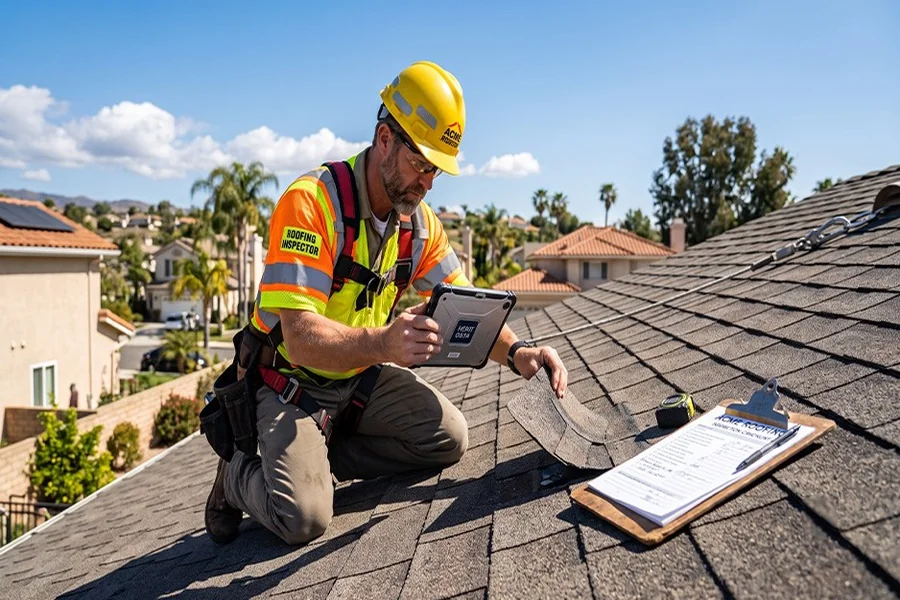
The least expensive roofing service is the inspection that finds nothing wrong. An annual professional check, plus a follow-up after any major wind or rain event, catches lifted flashing and minor wear while the fix is still measured in hundreds rather than thousands of dollars. Reputable companies document findings with photos, so homeowners can see exactly what condition their roof is in and plan ahead instead of reacting.
A Team Homeowners Can Call With Confidence
Licensed, insured, and backed by more than a hundred five-star reviews, PWC Roofing has built its reputation on exactly this kind of straight-talking guidance. From detailed inspections and targeted repairs to full residential and commercial replacements, the team explains what the roof actually needs, puts the findings in writing, and stands behind the work. For homeowners weighing repair against replacement, that honest starting point makes every decision easier.

Passionate about exploring diverse ideas and sharing inspiration, I curate content that sparks curiosity and encourages personal growth. Join me at ElementalNest.com for insights across a wide range of topics.