
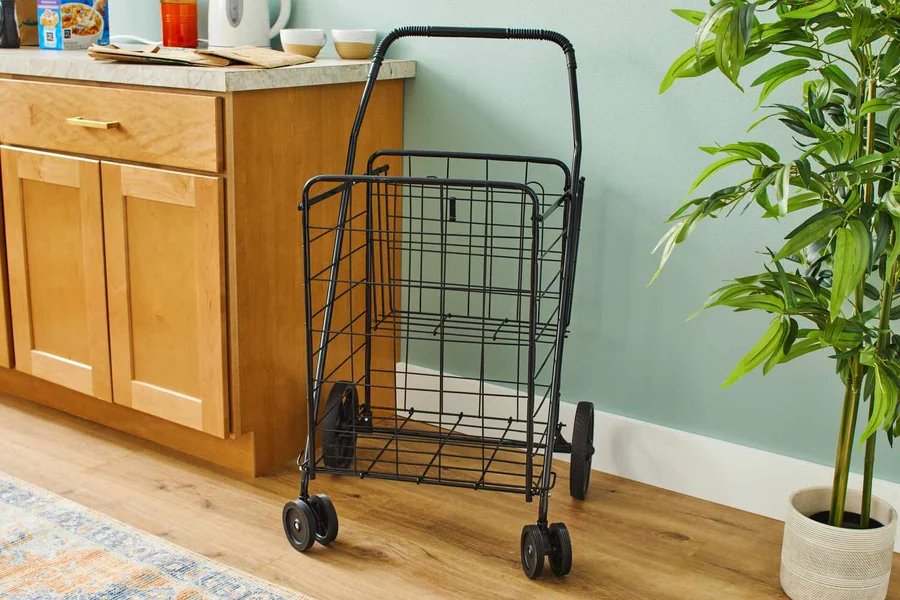
Shopping carts are one of the most frequently used assets in retail stores, warehouses, airports, hospitals, and commercial facilities. Every day, they travel hundreds of miles collectively across parking lots, aisles, and storage areas. Over time, constant use naturally causes wear and tear. Fortunately, replacing worn shopping cart parts is a practical and cost-effective way to extend the life of your carts without investing in brand-new equipment.
Rather than replacing an entire fleet, many businesses find that routine maintenance and part replacement can keep shopping carts functioning safely and efficiently for years longer. In fact, preventive maintenance can reduce replacement costs by as much as 40–60% compared to purchasing new carts.
In this guide, we’ll explore the essential shopping cart parts that help maximize cart lifespan and improve customer satisfaction.
Why Maintaining Shopping Cart Parts Matters
A shopping cart may seem simple, but it’s made up of several components that work together to provide smooth movement, stability, and safety. When one part fails, it often puts additional strain on the rest of the cart.
Routine inspections and timely replacement of worn shopping cart parts provide several benefits:
- Extend the overall lifespan of shopping carts
- Improve customer safety and shopping experience
- Reduce repair and replacement expenses
- Minimize downtime caused by damaged carts
- Maintain a professional appearance throughout the store
Well-maintained carts also help reduce liability by preventing accidents caused by broken wheels, loose handles, or damaged frames.
Essential Shopping Cart Parts That Extend Cart Life
Shopping Cart Wheels
The wheels are arguably the hardest-working part of any shopping cart. Every trip across concrete, tile, asphalt, or uneven pavement gradually wears them down.
Signs it’s time to replace cart wheels include:
- Flat spots
- Cracks
- Excessive noise
- Difficulty rolling
- Pulling to one side
Installing high-quality replacement wheels restores smooth movement while reducing strain on the cart frame.
Shopping Cart Casters
Casters allow shopping carts to turn and maneuver easily through store aisles.
Damaged or worn casters often cause:
- Poor steering
- Wobbling
- Increased effort when pushing
- Premature wheel wear
Replacing worn casters helps improve cart handling and provides customers with a much smoother shopping experience.
Handle Assemblies
The handle is one of the most frequently touched areas of a shopping cart.
Over time, handles may become:
- Loose
- Cracked
- Faded
- Damaged from impacts
Installing replacement handles improves both safety and appearance while giving older carts a refreshed look.
Many businesses also customize replacement handles with branding or store logos.
Child Seat Components
Safety is especially important when families shop with young children.
Common replacement parts include:
- Seat belts
- Child seat flaps
- Plastic hinges
- Safety buckles
Damaged child seating components should be replaced immediately to maintain customer confidence and comply with safety standards.
Basket Repair Components
The basket itself can develop damage after years of daily use.
Common issues include:
- Broken wire sections
- Bent frames
- Loose welds
- Missing protective caps
Instead of replacing the entire cart, many damaged basket sections can be repaired using replacement shopping cart parts, extending the cart’s usable life.
Corner Bumpers and Protective Caps
Shopping carts frequently bump into shelves, checkout counters, vehicles, and other carts.
Protective bumpers help:
- Prevent property damage
- Reduce cart frame wear
- Protect store fixtures
- Minimize customer injuries
Replacing worn bumpers is an inexpensive way to preserve both carts and store equipment.
Small Shopping Cart Parts That Make a Big Difference
Many inexpensive components contribute significantly to shopping cart performance.
These include:
- Nuts and bolts
- Axles
- Washers
- Wheel bearings
- Retaining clips
- Plastic end caps
- Fasteners
Although these parts are relatively inexpensive, replacing them before they fail helps prevent larger and more costly repairs.
When Should Shopping Cart Parts Be Replaced?
Waiting until a shopping cart completely fails often leads to higher repair costs.
Many retail maintenance professionals recommend inspecting shopping carts every three to six months depending on usage.
Consider replacing shopping cart parts if you notice:
- Wheels that squeak or stick
- Rusted hardware
- Loose handles
- Bent frames
- Missing safety belts
- Damaged child seats
- Broken plastic guards
Addressing these issues early keeps repair costs manageable while improving customer satisfaction.
Repair vs. Replacement: Which Saves More Money?
Many businesses assume replacing shopping carts is the only solution once they begin showing signs of age.
In reality, replacing worn shopping cart parts is often far more economical.
Here’s a general comparison:
| Option | Average Cost |
| Replace individual wheels | Low |
| Replace handles | Low |
| Replace casters | Moderate |
| Repair damaged basket | Moderate |
| Purchase an entirely new shopping cart | High |
For large retailers managing hundreds of carts, repairing existing equipment can result in significant annual savings.
Tips for Extending Shopping Cart Life
Preventive maintenance goes beyond replacing worn parts.
Here are several best practices:
Perform Routine Inspections
Inspect carts regularly for damaged wheels, loose hardware, rust, and structural issues.
Clean Carts Frequently
Removing dirt, debris, and moisture helps prevent corrosion and premature wear.
Lubricate Moving Components
Proper lubrication reduces friction on moving parts such as wheel bearings and casters.
Replace Parts Immediately
Don’t wait for complete failure. Replacing worn shopping cart parts early prevents additional damage.
Store Carts Properly
Keeping carts organized and protected from unnecessary impacts helps extend their service life.
Choosing High-Quality Shopping Cart Parts
Not all replacement parts offer the same level of durability.
When selecting replacement shopping cart parts, look for:
- Heavy-duty construction
- Corrosion-resistant materials
- OEM-compatible sizing
- Durable polyurethane or rubber wheels
- Commercial-grade hardware
- Reliable manufacturer warranties
Higher-quality components often last longer and reduce maintenance frequency.
Final Thoughts
Shopping carts represent an important investment for any retail business, and protecting that investment starts with proper maintenance. Instead of replacing entire carts when problems arise, replacing worn shopping cart parts can significantly extend equipment life while reducing long-term operating costs.
From wheels and casters to handles, safety belts, bumpers, and hardware, every component plays a role in keeping shopping carts safe, reliable, and easy to use. By performing routine inspections, addressing wear early, and choosing quality replacement parts, businesses can maximize the value of their shopping cart fleet while providing customers with a smoother, safer shopping experience.
Regular maintenance isn’t just about fixing problems—it’s about preventing them. Investing in durable shopping cart parts today can help your carts remain dependable for years to come, saving both time and money while supporting a better customer experience.

Passionate about exploring diverse ideas and sharing inspiration, I curate content that sparks curiosity and encourages personal growth. Join me at ElementalNest.com for insights across a wide range of topics.