
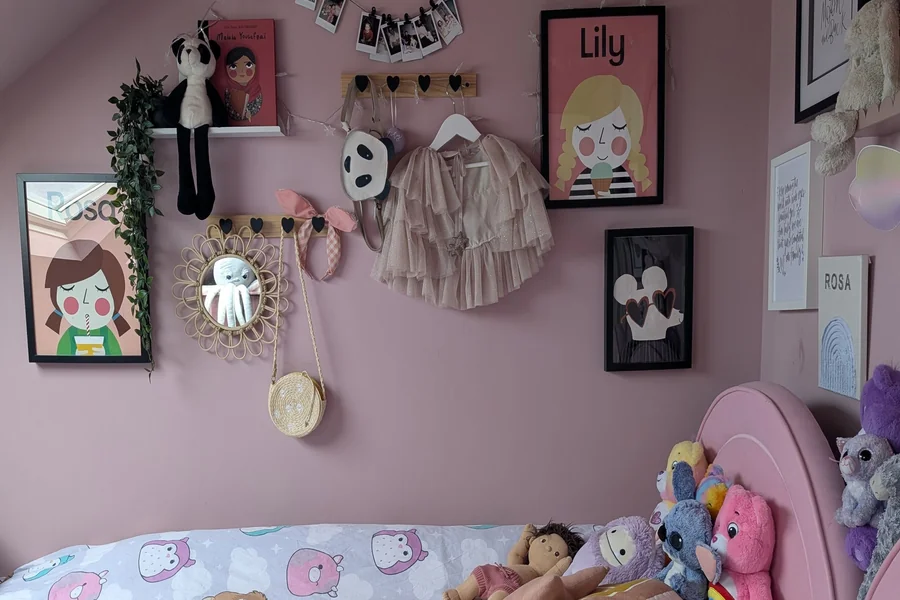
Kids notice more about their own room than most parents give them credit for, and one of the things they notice fastest is whether they actually had any say in it at all. A room decorated entirely by an adult, however tasteful, can still feel like a guest bedroom to the kid sleeping in it every night – nice enough, but clearly someone else’s decision from top to bottom, right down to the smallest detail. Giving them a small amount of real input into kids room decor, even just a little, tends to change how attached they feel to the space far more than any single item on the wall ever could manage entirely on its own.
Why Kids Notice When a Room Isn’t Really Theirs
Autonomy matters to children earlier than most adults assume, and a bedroom is often the first space where they’re allowed to have any opinion at all about how things look and where things go. When every choice comes from a parent – the colors, the theme, the placement of every single shelf – the room can end up feeling more like a display than somewhere the child actually lives day to day. That disconnect shows up in small ways, like a kid who never quite settles into a space that was fully finished before they ever had a real chance to weigh in on any of it.
Small Decisions That Actually Matter to Them
The input doesn’t need to be dramatic to count for something. Letting a child pick which framed print goes above the desk, or where a favorite shelf gets hung, gives them a genuine sense of ownership without turning decorating into a battle over every single detail in the room. Kids tend to remember these small choices far longer than parents expect, partly because so few decisions in their daily life are actually theirs to make from start to finish, uninterrupted. A single chosen object can end up meaning more to a child than an entire coordinated theme picked out by someone else on their behalf.
Where Parents Should Still Have the Final Say
None of this means handing over full control of the room to a six-year-old. Safety, durability, and the actual budget still belong firmly with the adult in the household, and that’s a reasonable, sensible line to hold regardless of how much input a child gets. The goal is narrowing the choice down to a few solid, well-made options and then letting the kid pick from among them, rather than opening the entire decision up without any limits. That way the room stays practical and built to last, while still genuinely feeling like it belongs to the person who actually sleeps there every single night of the year.

Passionate about exploring diverse ideas and sharing inspiration, I curate content that sparks curiosity and encourages personal growth. Join me at ElementalNest.com for insights across a wide range of topics.