
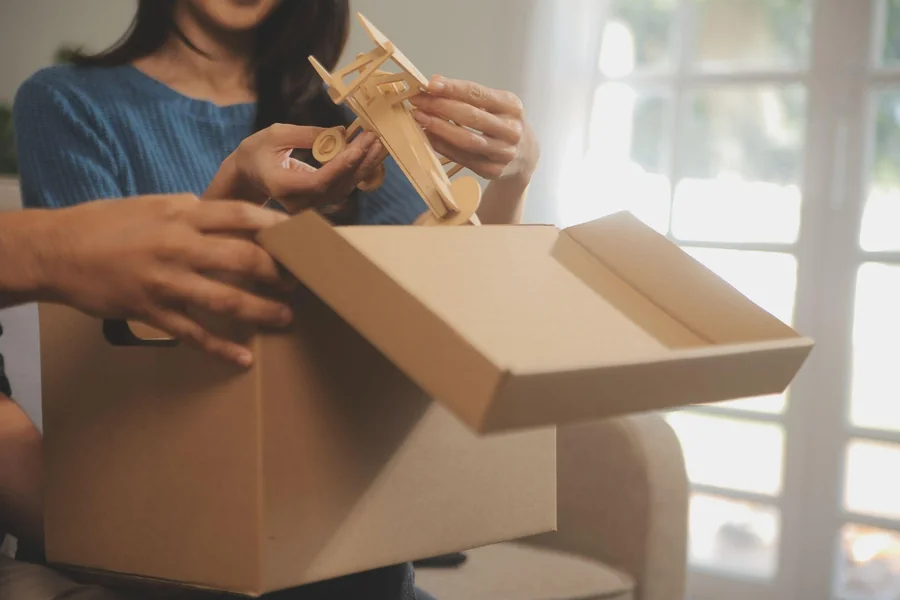
Sentimental belongings can make a room difficult to organize, especially when relatives overseas would treasure the objects. A mindful plan separates memory from ownership while reserving space for pieces with a family purpose. Before packing, a sender can note parcel requirements from https://us.meest.com/ and match each object to the recipient’s needs and destination rules. This approach creates a parcel instead of transferring clutter from one home to another.
Choose With Memory and Purpose
Begin with the story attached to each object, then decide whether the item is the best way to preserve or share it. Use five questions to guide the decision:
- meaning — keep or send an object when its story is clear enough to explain to the recipient;
- relevance — choose pieces connected to the recipient’s memories, traditions, interests, or current life;
- condition — include belongings that can withstand handling once they receive suitable protection;
- consent — ask whether the relative wants the object and has room to store or display it;
- space — prioritize smaller pieces that carry strong significance without crowding the parcel;
Photograph every selected item before it leaves, and write a note about its origin, owner, or family use. If several relatives want the same object, agree on its destination before packing so the parcel reflects a deliberate choice.
Prepare Sentimental Objects for Transit
Sort the contents by material and vulnerability. Paper photographs need acid-free sleeves and rigid backing, while fabric keepsakes should be clean, dry, and enclosed in a protective bag. Wrap ceramic or glass pieces individually, cushion every side, and keep hard edges away from softer objects. An inner container can separate delicate contents from pressure inside the outer box.
It is essential to remove loose dust, but avoid aggressive cleaning that could damage aged surfaces, handwritten notes, or fragile finishes. Take photographs of existing marks and record each item’s condition. These images help the sender distinguish old wear from transit damage. They also preserve visual details if the object will remain with the recipient for many years.
Write accurate customs descriptions that identify each object rather than calling the contents gifts or personal effects alone. State the material and ordinary purpose in plain language, such as family photographs, cotton baby clothing, or a used ceramic ornament. Check destination restrictions before sealing the parcel, particularly for plants, food, liquids, batteries, or objects made from regulated natural materials.
Coordinate the Handoff Across Borders
Confirm the recipient’s complete address, phone number, and preferred delivery details before printing the label. Ask whether travel, work, or building access could interfere with receipt. Place a duplicate address inside the parcel in case the outer label becomes damaged. Share the tracking reference after acceptance and agree on who will monitor customs messages or delivery notices.
The note accompanying each keepsake can explain why it was chosen and how it was used. Keep writing away from delicate surfaces, and place the note in its own sleeve. When several objects belong to one family story, number their protective packets and describe the connection in the letter. This simple record gives the recipient context without adding bulky materials.
A thoughtful parcel should preserve both the object and the reason it matters. Meest-America can be considered once the contents, packaging, customs details, address, and recipient availability have been confirmed.

Passionate about exploring diverse ideas and sharing inspiration, I curate content that sparks curiosity and encourages personal growth. Join me at ElementalNest.com for insights across a wide range of topics.