
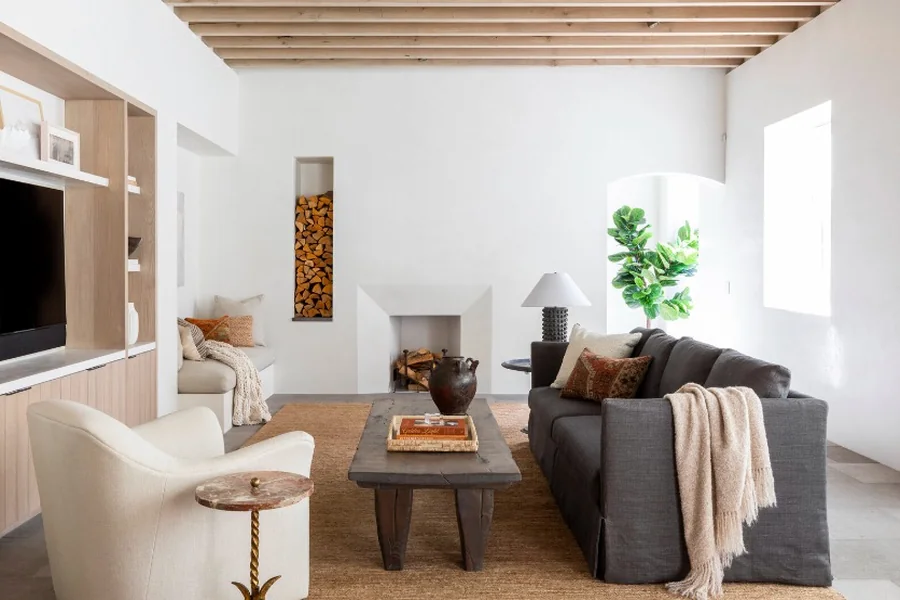
Start with Intention
Deciding to simplify your home begins with a clear sense of purpose. Are you aiming for less visual clutter so rooms feel calmer, preparing to move, or hoping to spend less time on upkeep? Naming a goal helps steer choices and reduces the temptation to keep items “just in case.” Set a realistic timeline rather than trying to overhaul everything at once; small, focused sessions over weeks are more sustainable than an exhausting weekend purge. As you work, remind yourself that simplification is about improving daily life, not producing Instagram-perfect minimalism.
Evaluate Room by Room
Tackle one area at a time: a closet, a kitchen drawer, a single shelf. This keeps decisions manageable and shows tangible progress, which motivates continued effort. Begin by pulling everything out so you can see the true volume of belongings. Handle each item and ask whether it serves a regular purpose, brings consistent joy, or supports your goals for the space. For items that fit no category, decide whether they belong in donation, storage, or trash. For larger projects like an attic or garage, create categories—keep, sell, recycle—and be strict about letting go of duplicates and things you haven’t used in years.
Practical Downsizing Steps
If you’re wondering how to downsize your home, approach the task with a combination of strategy and compassion. Start by tracking what you actually use for two weeks: utensils, tools, clothes, and linens that get regular rotation. That data makes it easier to part with rarely used items. For sentimental objects, limit yourself to a few meaningful pieces and consider photographing others before letting them go. When faced with furniture decisions, measure your new or reconfigured space and compare it against the measurements of existing pieces to avoid keeping items that won’t fit or serve a purpose. If selling or donating, batch similar items together for efficient listing or drop-off. For items that feel hard to release, set a future date to reassess; often items you once feared losing fade in importance.
Reduce, Reuse, Reassign
Simplifying is not just discarding. Repurpose pieces to extend utility: an unused dresser can become a bathroom linen cabinet, and a coffee table with hidden storage can replace a cluttered basket. Consolidate duplicates by keeping the best version and donating extras. Aim for multi-functional furniture in smaller spaces—think ottomans with storage, fold-down desks, or nesting tables—that reduce the number of pieces without sacrificing comfort or function. Use transparent storage for items you need to see and opaque bins for seasonal storage to reduce visual distraction in everyday living spaces.
Organize with Systems, Not Just Boxes
Organization succeeds when it supports habits. Create easy-to-follow stations: a landing spot for keys and mail by the door, a charging area for electronics, and a morning routine setup in the bedroom or bathroom. Labeling helps initially, but the real win is building consistent habits—always returning shoes to a designated rack, folding laundry immediately, or clearing counters at the end of the day. Clear, consistent systems reduce the mental load of constant tidying and make it easier to maintain a simplified environment.
Edit Furnishings and Decor Thoughtfully
Less is more only when items are thoughtfully chosen. Keep surfaces purposeful; a single lamp and a plant may replace multiple small trinkets that gather dust. Evaluate artwork and decor through the lens of how they affect a room’s mood. Neutral, uncluttered surfaces give the eye a place to rest and make spaces feel larger. When selecting new pieces, ask whether they serve a function, enhance comfort, or elevate the atmosphere—anything that doesn’t meet at least one of those criteria is worth skipping.
Practical Storage Solutions
Creative storage makes life easier. Vertical shelving opens floor space, while shallow wall-mounted units keep essentials accessible without bulk. Under-bed boxes and vacuum-seal bags work well for seasonal garments. For kitchens, magnetic strips for knives, wall-mounted rails for frequently used tools, and clear canisters for staples free counter space and create order. Remember that storage should reduce friction: items you use often should be reachable without disassembling a system.
Maintain Simplicity Over Time
Simplicity is an ongoing practice, not a single event. Schedule brief, regular check-ins—ten minutes at the end of each day or a half-hour weekly session—to reset surfaces and handle incoming items. Adopt a one-in, one-out policy for clothing or tools to prevent gradual accumulation. When gifted items arrive, pause before accepting; if they don’t fit your lifestyle, consider returning, regifting, or donating. Periodic seasonal passes through the home can prevent clutter build-up and keep your simplified environment functional.
Emotional Considerations and Support
Letting go can be emotionally complex. Allow yourself to feel attachment without letting it override practical needs. Enlist a friend for support or hire a professional organizer when decisions become overwhelming. For larger downsizing projects tied to life transitions, create rituals for saying goodbye—photographing items, writing a quick note about why they mattered, or hosting a small swap party to let treasured things find new homes.
Living Lighter, Living Better
Simplifying your living space makes daily life smoother and frees time for activities that matter. It’s not about perfection but about intentional choices that reflect current priorities. By approaching the process with clear goals, practical systems, and compassion for yourself, you can create a home that supports wellbeing, reduces maintenance, and feels like a true refuge. Start small, be consistent, and let the benefits ripple through both your environment and your mindset.

Passionate about exploring diverse ideas and sharing inspiration, I curate content that sparks curiosity and encourages personal growth. Join me at ElementalNest.com for insights across a wide range of topics.