
The first hard frost has a way of revealing everything you meant to do in September. Gutters that are still full of leaves, a hose bib that freezes, a soggy corner of the yard that turns into an ice rink by January. In cold climates, the exterior of your home takes a beating every winter, and a few hours of preparation in the fall can prevent expensive repairs in spring.
Here’s a practical checklist for getting your home’s exterior, yard, and landscape ready before winter arrives.
Gutters and Downspouts
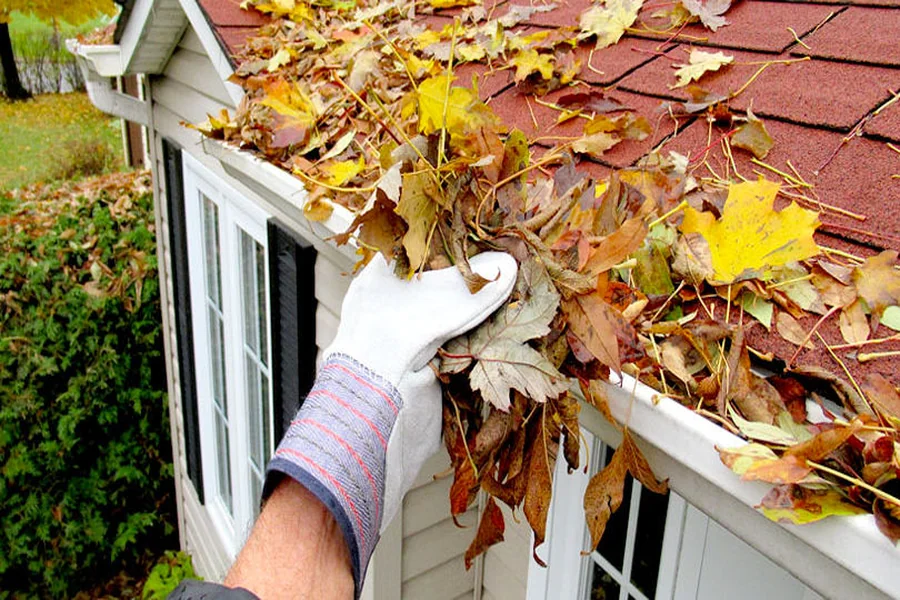
Clogged gutters overflow, and overflowing water freezes into ice dams and icicles that damage roofs, siding, and the soil next to your foundation.
- Clear leaves and debris after most trees have dropped their leaves.
- Check that gutters are securely attached and sloped toward downspouts.
- Make sure every downspout discharges several feet away from the house, or into a buried line.
Grading and Drainage
Water that pools near your foundation in fall will freeze, thaw, and seep in all winter. Walk your property after a rain and look for puddles, spots where soil slopes toward the house, and areas that stay soggy. Fixing grading or installing drainage before the ground freezes is far easier than dealing with a wet basement in March.
Outdoor Plumbing
- Disconnect, drain, and store garden hoses.
- Shut off and drain exterior faucets, or confirm they’re frost-free.
- Blow out irrigation lines so water doesn’t freeze and crack pipes and heads.
The Lawn and Garden
- Keep mowing until the grass stops growing, finishing slightly shorter than summer height.
- Rake or mulch leaves so they don’t smother the lawn.
- Apply a fall fertilizer if your grass type benefits from it.
- Water evergreens deeply before the ground freezes to reduce winter burn.
- Add mulch around perennials and shrubs to insulate roots.
Hardscapes
Patios, walkways, and retaining walls all suffer in freeze-thaw cycles. Look for cracked joints, settling pavers, or walls that are leaning. Small repairs now can keep water from getting in and causing bigger damage over winter. Seal concrete if it hasn’t been done in a few years.
Plan for Snow
Decide before the first storm where plowed and shoveled snow will go. Ideally, snow piles should sit downhill from driveways and walkways and away from the foundation, so meltwater drains away instead of refreezing across paths. Stock up on ice melt early, and if you use a snow removal service, confirm your contract before the season starts.
Holiday Lighting
If you decorate for the holidays, fall is the time to plan. Test light strands, replace damaged cords, and pick up outdoor-rated timers. Install clips for gutters and shingles while the weather is still mild. If you’d rather not spend December on a ladder, many homeowners now book holiday light installation in October or early November, when installers can get displays up before Thanksgiving.
Get Help Where It Counts
Some tasks are quick weekend jobs. Others, like drainage, grading, hardscape repair, and snow management, are worth handing to professionals who know local soils and winters. Full-service companies such as Ware Landscaping, which serves Naperville and the western Chicago suburbs, handle everything from fall cleanups and drainage to snow removal and holiday lights, so one call can cover the whole season.
The Payoff
A home that’s ready for winter is safer, drier, and cheaper to maintain. Spend a few weekends this fall working through the checklist, and you’ll spend the winter enjoying the season instead of reacting to it.

Passionate about exploring diverse ideas and sharing inspiration, I curate content that sparks curiosity and encourages personal growth. Join me at ElementalNest.com for insights across a wide range of topics.