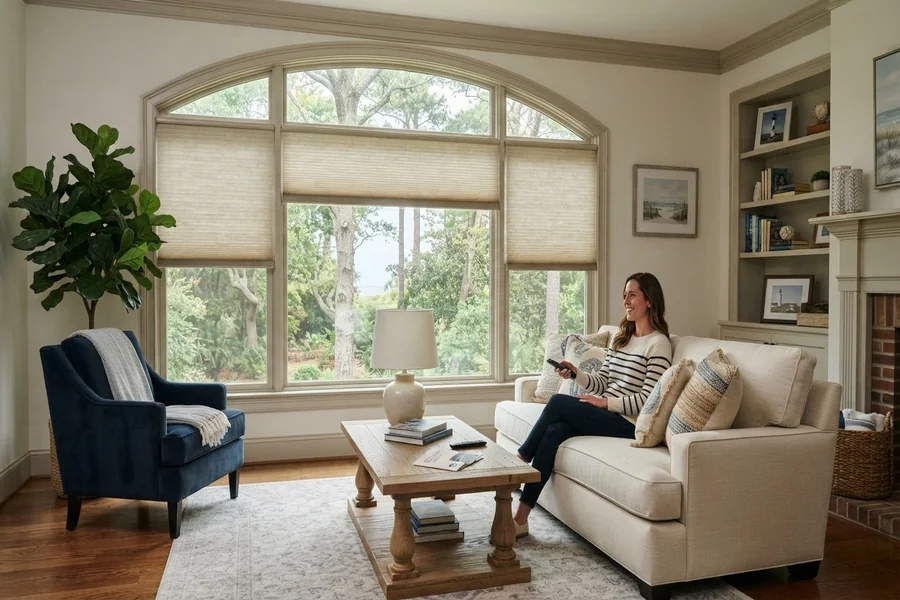
Chicago winters are long, windy and cold, and a lot of that cold announces itself at the windows. Anyone who has stood near a single-pane window in a vintage greystone in January knows the feeling of a steady chill. Window coverings cannot replace insulation or new windows, but the right ones make rooms noticeably more comfortable.
Fall is a good time to think about this. Before the heating season is fully underway, you can look at what each room needs, line up measuring and installation, and avoid the rush that tends to come once the first hard freeze arrives. A little planning also lets you work around holidays, when you may have guests and want rooms to look their best.
Searching for window treatments near me will return plenty of results, so it helps to know what to ask. Stoneside works with Chicago homeowners on custom coverings, and the points below are the ones worth settling before you place an order.
Know What Coverings Can and Cannot Do
According to the U.S. Department of Energy, energy efficient window treatments can help reduce heat loss at windows when they fit closely and are used consistently. They are not a substitute for weatherstripping, caulk or better glazing, so deal with obvious drafts first. Coverings are the finishing layer that makes a well-sealed window feel even better.
Consider Layering
Layering is often the most effective approach in a cold climate. A cellular shade or lined roller shade sits close to the glass, while a drape adds a second barrier and softens the room. In summer, you can lift the heavier layer and keep the lighter one for glare control. This flexibility is useful in a city where a day can swing from freezing to warm.
Pay Attention to Fit
Gaps around the edges let cold air slip into the room, and they also let light leak around the covering. In older Chicago buildings, where windows can be slightly out of square, precise measuring matters more than most people expect. Inside mounts suit clean architectural lines, while outside mounts can overlap the frame and cut down on drafts and light seepage.
Keep Children and Pets Safe
Cords on blinds and shades are a known hazard. The Consumer Product Safety Commission advises choosing cordless products where young children live or visit and promotes this each year during Window Covering Safety Month. Cordless and motorized designs have become standard options, and they also look tidier. If you want more detail, Stoneside’s page on window treatments near me is a useful companion.
Think About Privacy in City Settings
Many Chicago homes sit close to neighbors or street traffic. Top-down bottom-up shades, sheer layers and light-filtering fabrics let you keep daylight while preserving privacy. Decide which rooms need the most coverage, such as street-facing bedrooms and first-floor living areas, and choose accordingly.
Plan the Timeline
Custom orders take time to produce and install. Order before the busy season so you are not waiting through the holidays for something that should have been installed in October. Ask for an estimated schedule, and clarify what happens if a measurement needs to be rechecked.
Match Coverings to Each Room
Not every room needs the same product. Bedrooms often benefit from room-darkening or blackout shades, especially in a city where streetlights and early summer sun can disturb sleep. Kitchens and bathrooms do better with materials that tolerate steam and the occasional splash. Living rooms are the place for layered looks that balance daylight, warmth and style, and home offices usually want glare control without making the room too dark.
Think Beyond the Season
It is tempting to choose treatments purely for winter, but Chicago summers can be hot and humid, with strong afternoon sun on west-facing windows. Coverings that reduce glare and heat in July are just as valuable as those that cut the chill in January. Choose products that work across all four seasons, and you will get more use out of them for years.
Ask About Warranties and Service
A good covering should last, and the company behind it should stand behind the work. Ask what is covered, for how long, and who you call if a lift mechanism sticks or a fabric fades. Knowing the answer in advance is worth as much as a small discount.
Ask About the Details
Small details make a large difference over time. Ask whether the hardware is metal or plastic, how the lift system feels after years of use, and whether fabrics are treated to resist fading from strong sun. Request samples where possible and hold them up in the actual room, since color and texture change with the light. A few minutes of checking now prevents disappointment after installation.
Getting Ready
Good window treatments are an investment in comfort, privacy and the look of your home. Walk through each room, note the problems you want to solve, and prioritize fit and safety. When you are ready to compare options, speak with a specialist who can measure properly and explain how each product behaves in a cold, windy climate, so the choice you make now keeps paying off every winter.

Passionate about exploring diverse ideas and sharing inspiration, I curate content that sparks curiosity and encourages personal growth. Join me at ElementalNest.com for insights across a wide range of topics.