
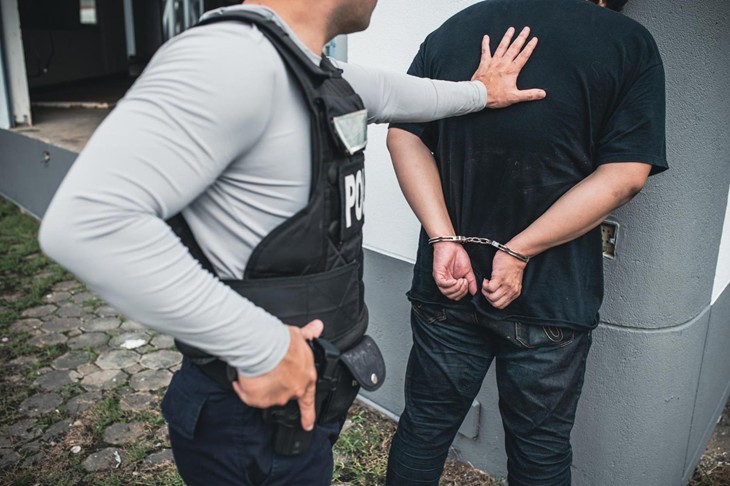
Most people plan a trip around the pleasant variables. Where to stay, what the weather will do, whether the restaurant needs booking. Almost nobody plans around the possibility of spending a night in a county jail four states from their own bed, and yet resort towns handle exactly that scenario constantly, because visitors outnumber residents and holidays lower everyone’s guard.
The situations are rarely dramatic. A bar dispute that escalates. A misjudged drive back to the rental. A dispute with a neighbour in a crowded condo at one in the morning. What makes these incidents different from the same events at home is not the seriousness of the allegation but the logistics that follow, and those catch people entirely unprepared.
Why Distance Changes Everything
At home, an arrest is a serious problem with familiar edges. You know the area, you can get to court, and the people who can help you are within driving distance.
Away from home, every one of those assumptions collapses. The court that has jurisdiction is the court where the incident happened, and it will expect you to appear there. Your flight home does not alter that. Neither does the fact that you live two thousand miles away, have a job on Monday and have never been to that county in your life before this week.
People routinely assume they can sort it out remotely once they are home, or that a minor charge will simply lapse. It will not. An unresolved case produces a failure to appear, and a failure to appear produces a warrant that follows you indefinitely, surfacing at the least convenient moment years later.
Which Court Actually Has You
A detail that confuses visitors immediately: there is rarely one local court. Depending on where an incident occurred and what was alleged, a case may sit in a municipal court handling town ordinance violations, a county court handling misdemeanours and traffic offences, or a district court handling felonies.
They are separate systems with separate procedures, separate judges and separate expectations, sometimes operating within a few miles of each other. A visitor who assumes the town they were staying in has a single courthouse dealing with everything can easily direct enquiries, paperwork or payments to the wrong place, and deadlines continue running while that gets sorted out.
The Help That Courts Cannot Give You
A reasonable first instinct is to contact the court and ask what to do. This is worth understanding in advance, because the answer is narrower than most people expect.
Colorado, for example, maintains court self-help resources across each of its judicial districts, and they are genuinely useful for the matters they cover. The Colorado Judicial Branch describes its self-help resources as staffed by personnel who help people navigate the court system and direct them to the appropriate forms, while stating two limits plainly: they assist with non-criminal matters, and they cannot provide legal advice or legal advocacy.
That is not a shortcoming, it is the design. Court staff cannot advise a defendant, because they serve the court rather than the parties. For criminal matters the guidance points toward requesting appointed counsel or retaining an attorney. Anyone hoping to resolve an out-of-state charge with a phone call to the clerk will find a polite person who is not permitted to answer the question being asked.
What Actually Happens First
The sequence is fairly consistent. An arrest is followed by booking, a period in custody, and an initial appearance before a judge, usually within a day or two. Bond conditions are set at that hearing, and those conditions can include requirements that are awkward at a distance, such as staying in the jurisdiction or reporting periodically.
For a visitor, the practical question is whether the case can be handled without them travelling back repeatedly. In many jurisdictions and for many charge levels it can, with counsel appearing on the defendant’s behalf, but that depends on the charge, the court and local practice. It is precisely the sort of question that has a clear answer locally and no answer at all from a distance.
The Things People Do That Make It Worse
A few reliable mistakes recur.
Explaining yourself to officers at the scene, at length, in the belief that clearing up the confusion will end it. Statements made in that state are recorded and rarely help. Assuming that because the other party does not want to pursue anything, nothing will proceed, which is untrue in a range of case types where the decision belongs to the prosecutor rather than the complainant. Discussing the incident over social media or messaging apps. And leaving the jurisdiction without establishing what obligations exist, which converts a manageable problem into a warrant.
The other common error is delay. Cases are generally easier to address early, before positions harden and before deadlines are missed.
Mountain Towns Are Their Own Jurisdiction
Resort areas have a particular character worth understanding. The courts are small, the prosecutors and judges see the same defence attorneys constantly, and a large share of the docket involves people who do not live there.
That familiarity cuts both ways. Local practitioners understand the specific expectations of a particular county court, how a given prosecutor’s office tends to approach a category of case, and what procedural options are realistically available for a non-resident. A lawyer parachuting in from elsewhere, however capable, starts without any of that.
Colorado’s high country illustrates the point. A visitor to Breckenridge who runs into trouble is in Summit County, and neighbouring incidents might fall in Eagle, Clear Creek, Lake or Park County, each with its own court and its own practices, all within a short drive of each other.
What Local Counsel Actually Does
The value is partly relationships and partly the mundane logistics. An attorney practising in that court knows whether an appearance can be waived, what documentation the court wants, and how to structure a resolution that a non-resident can actually comply with.
There is also the matter of availability. Someone in custody in an unfamiliar town, or newly released and due back at an airport, needs a response measured in hours rather than days.
Finding Someone While It Still Matters
If it happens, the practical move is to contact a defence attorney who practises regularly in the county where the charge sits, before speaking further about the incident to anyone else. In Colorado’s mountain corridor, a firm such as J.B. Katz Breckenridge Criminal Defense is an example of that model, a solo practice limited to criminal defence, serving Summit, Eagle, Clear Creek, Lake and Park counties, with more than twenty years in those courts and a client base that has long included visitors rather than only residents. The practice offers a free initial consultation and, for people who are not local, can in appropriate cases handle matters without requiring the client to make every trip back in person.
That last capability is the one out-of-state defendants most need and least expect to exist.
Sensible Precautions Before You Travel
None of this requires anxiety, only a small amount of awareness. Know that the law of the place you are visiting applies to you, and that it may differ from home in ways you would not guess, particularly around alcohol, firearms and cannabis. Keep the details of your accommodation and your travel documents accessible. And if something does happen, resist the urge to explain your way out of it at the roadside.
This article is general information rather than legal advice, and procedures vary considerably by state and county. Anyone facing a charge should consult an attorney licensed in the jurisdiction where the case is filed, which is very often not the jurisdiction they live in.
