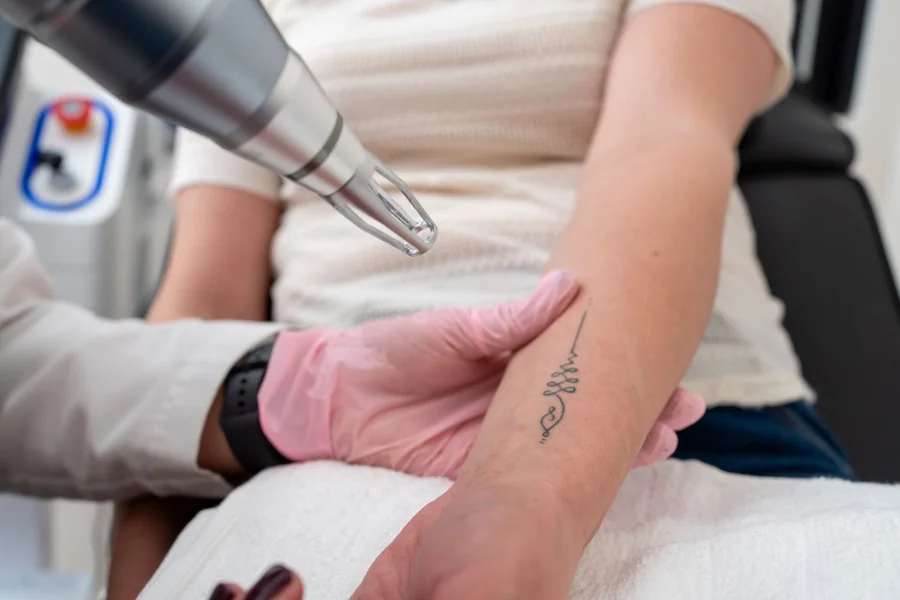
Removing an unwanted tattoo has become increasingly sophisticated, with technology and
techniques evolving rapidly to deliver better outcomes. Whether you’re dealing with a
regrettable design, faded ink, or simply making room for new body art, understanding the
best practices for tattoo removal can significantly impact your results. The process requires
patience, proper care, and informed decision-making to achieve the cleanest possible
outcome while minimizing risks and discomfort.
Choose a Reputable Clinic with Advanced Technology
The foundation of successful tattoo removal starts with selecting the right facility and
equipment. Modern laser technology has advanced considerably, with newer systems like
PicoSure and PicoWay offering faster treatment times and better results than older Q
switched lasers. These picosecond lasers deliver energy in trillionths of a second, shattering
ink particles more effectively while causing less damage to surrounding tissue.
When researching providers, look for clinics staffed by trained medical professionals who
specialize in dermatology or cosmetic procedures. If you’re searching for laser tattoo
removal Calgary residents recommend, prioritize facilities with multiple positive reviews,
before-and-after galleries, and transparent pricing structures. Don’t hesitate to schedule
consultations with several providers to compare their approach, technology, and overall
professionalism.
Start Treatment at the Right Time
Timing plays a crucial role in tattoo removal success. New tattoos should ideally wait at
least six to eight weeks before beginning laser treatment, allowing your skin to fully heal
from the initial tattooing process. Starting too early can increase scarring risk and
compromise results.
Additionally, consider seasonal timing for your removal journey. Many experts recommend
beginning treatments during fall or winter months when sun exposure is naturally reduced.
This scheduling strategy makes it easier to protect treated areas from UV rays, which can
cause hyperpigmentation and interfere with the healing process.
Follow Pre-Treatment Guidelines Carefully
Preparing your skin properly before each session dramatically improves both safety and
effectiveness. Avoid sun exposure and tanning beds for at least four weeks before
treatment, as darker skin requires lower laser settings that may extend your overall
timeline. If you must be outdoors, apply broad-spectrum SPF 50 sunscreen religiously to
treatment areas.
Stay well-hydrated in the days leading up to your appointment, as proper hydration
supports your immune system’s ability to flush out fragmented ink particles. Avoid blood
thinning medications and supplements like aspirin, ibuprofen, and vitamin E for at least 48
hours before treatment, as these can increase bruising and bleeding during the procedure.
Optimize Your Aftercare Routine
What you do between sessions matters just as much as the laser treatment itself.
Immediately after each appointment, apply ice packs to reduce swelling and discomfort.
Keep the treated area clean and dry, washing gently with fragrance-free soap and patting
dry rather than rubbing.
Apply a thin layer of antibiotic ointment and cover with a sterile bandage for the first few
days. Avoid picking at any blisters, scabs, or peeling skin, as this significantly increases
scarring risk. Keep the area moisturized with gentle, unscented lotion once initial healing
occurs, and continue avoiding sun exposure throughout your entire removal journey.
Support Your Body’s Natural Healing Process
Your immune system does the actual work of removing ink particles after the laser breaks
them down. Supporting your overall health accelerates this process and improves results.
Maintain a balanced diet rich in vitamins C and E, which promote skin healing and collagen
production.
Regular exercise boosts circulation and lymphatic drainage, helping your body flush out ink
particles more efficiently. Avoid smoking and excessive alcohol consumption, as both impair
healing and can extend the time between sessions. Some people also find that massage near
treated areas helps stimulate lymphatic flow, though always wait until the skin has
completely healed before trying this technique.
Space Sessions Appropriately
Patience truly is a virtue in tattoo removal. While it might be tempting to schedule sessions
as close together as possible, spacing treatments at least eight to twelve weeks apart yields
better results. This interval gives your immune system adequate time to remove shattered
ink particles and allows your skin to fully recover.
Rushing the process with too-frequent sessions doesn’t speed up removal and can actually
increase scarring risk while delivering inferior results. Some colors and deeper ink layers
may require even longer intervals between treatments for optimal fading.
Manage Expectations Realistically
Complete tattoo removal typically requires six to twelve sessions, though complex tattoos
with multiple colors or deep ink saturation may need more. Certain ink colors, particularly
greens, yellows, and light blues, prove more resistant to laser treatment than blacks and
darker blues.
Understanding that removal is a gradual process helps prevent disappointment and ensures
you stick with the treatment plan. Most people see progressive fading with each session,
though results vary based on tattoo age, ink quality, location, and individual immune
response. Trust the process and maintain open communication with your provider about
your progress and concerns.

Passionate about exploring diverse ideas and sharing inspiration, I curate content that sparks curiosity and encourages personal growth. Join me at ElementalNest.com for insights across a wide range of topics.