
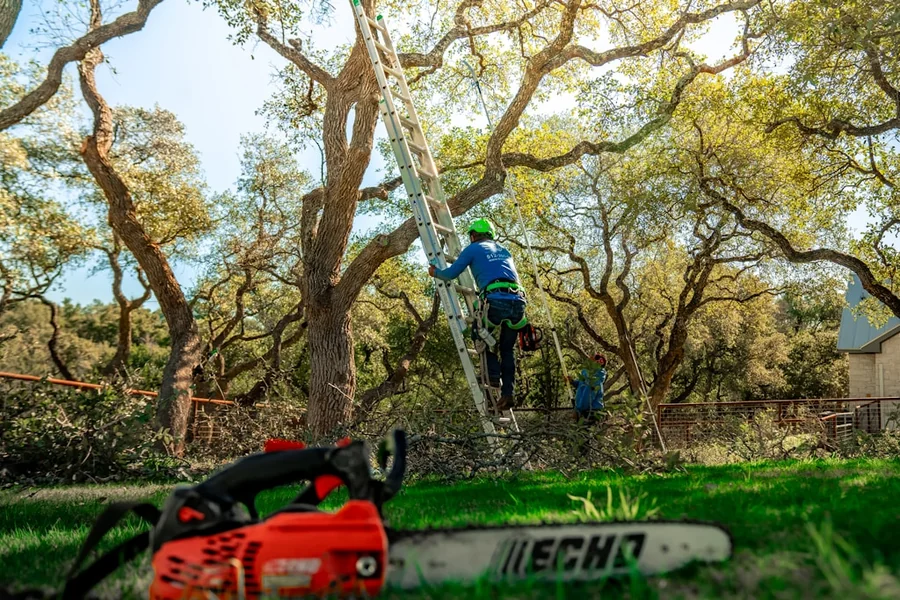
A beautiful tree can make a home feel calmer, cooler, and more private. But that same tree can become a safety risk when weak branches, hidden decay, or storm damage go unnoticed for too long.
Most homeowners do not look at trees as part of regular home maintenance. They notice the roof, the gutters, the lawn, and maybe the fence. The tree in the corner of the yard is often treated like background scenery until a heavy limb falls, roots lift a walkway, or branches start brushing the roof.
That is where paying attention early matters. A professional tree care service can help homeowners spot problems before they turn into expensive repairs or dangerous accidents. The goal is not to remove every old or dramatic-looking tree. It is to understand when beauty and risk are starting to overlap.
Why Healthy-Looking Trees Can Still Be Dangerous
A tree does not have to look dead to become unsafe. Some of the riskiest trees still look full, green, and healthy from a distance. The warning signs often develop slowly, such as weakening branches, hidden trunk decay, or roots made unstable by erosion, construction, or heavy rain.
That is why judging a tree by appearance alone can be misleading. A leafy canopy can hide broken limbs, and a strong-looking trunk may still have cracks near the base. Homeowners should be especially careful with large trees near the house, driveway, garage, patio, or power lines because the bigger the tree, the greater the damage if something fails.
The key point is simple: a beautiful tree is not automatically a safe tree.
Warning Signs That a Tree May Be a Safety Risk
You do not need to be an arborist to notice when something looks off. Many tree problems show visible clues before they become emergencies.
Large Dead or Hanging Branches
Dead branches are one of the clearest signs that a tree needs attention because they often look dry, brittle, bare, or lighter than the rest of the tree. Hanging branches are even more urgent since storm-cracked limbs can stay trapped in the canopy and fall suddenly when the wind picks up. If a dead or broken branch hangs over a roof, walkway, driveway, or seating area, it should be handled right away.
Cracks in the Trunk or Major Limbs
Small surface marks on bark are normal, but deep cracks can point to a more serious problem. A vertical split in the trunk or a major branch may signal structural weakness, especially if it looks fresh, wide, or appears with leaning, missing bark, or fungal growth. Cracks are especially concerning after storms because once a tree’s structure is weakened, the next round of bad weather can lead to more serious failure.
Leaning That Seems New or More Noticeable
Not every leaning tree is dangerous, since some naturally grow at an angle while reaching for light. The real concern is a lean that appears suddenly or gets worse over time, especially with exposed roots, cracked soil, or a raised mound near the base. A leaning tree close to a home, driveway, or outdoor area should be taken seriously because waiting too long can put your roof, car, or someone’s safety at risk.
Branches Touching the Roof, Windows, or Utility Lines
Branches that scrape the roof may seem harmless, but they can damage shingles, clog gutters, and create pathways for pests. During windy weather, they may rub against the home repeatedly and cause wear over time. Branches near utility lines are even more serious and should never be trimmed by homeowners because that work requires proper equipment and safety training.
If branches are too close to the home or utilities, professional tree trimming services can help reduce risk while preserving the tree’s shape and health.
The Hidden Home Problems Trees Can Create
The most obvious tree risks involve falling branches, but trees can affect a home in quieter ways too. Overgrown trees may look harmless at first, yet they can slowly create problems around the roof, siding, yard, and outdoor living areas.
Some common issues include:
- Moisture buildup: Dense branches can block sunlight and airflow, leaving shaded areas damp for longer. This can make moss, mildew, and slippery walkways more common.
- Poor visibility: Overgrown trees can make outdoor spaces feel darker, smaller, and less open. Over time, a yard that once felt peaceful may start to feel crowded or neglected.
- Lower curb appeal: A tree can be one of the best features of a property, but only when it looks cared for. Overgrown limbs, uneven growth, and low branches can make a home look older or less maintained than it really is.
- Hidden safety concerns: Heavy branches, thick canopies, and neglected growth can hide weak limbs or damage that homeowners may not notice right away.
Trees are one of the few home features that can feel both emotional and practical. People remember who planted them, which branch held a swing, or how much shade they gave during summer, but sentiment should not stop a homeowner from dealing with a clear hazard.
Protecting a tree and protecting a home are not opposites. With proper maintenance, homeowners can often keep the beauty of the tree while reducing the risks around the property.
Trimming Is Not Just About Making Trees Look Neat
Many people think tree trimming is mainly cosmetic. That is only part of it.
Proper trimming can remove weak, dead, diseased, or poorly placed branches. It can also improve airflow through the canopy, reduce excess weight, and help the tree grow in a stronger structure.
Bad trimming, however, can do real damage. Cutting too much at once, removing the wrong branches, or topping a tree can stress it and make future growth weaker. A tree may respond with fast, unstable shoots that look full but are more likely to break later.
This is why homeowners should be careful with DIY trimming on large trees. Small, low branches may be manageable with basic tools, but anything involving height, heavy limbs, rooflines, or utility lines should be handled by trained professionals.
A well-trimmed tree should not look butchered. It should still feel natural, balanced, and alive.
How to Decide Whether a Tree Needs Help
A simple seasonal check can prevent a lot of problems. Walk around the yard after storms, during seasonal changes, and before periods of high wind or heavy rain.
Look for dead branches, cracks, fungus near the base, sudden leaning, exposed roots, and limbs touching the home. Also pay attention to changes. A tree that looks different from last month may be telling you something.
Here are a few practical questions to ask:
- Are any branches hanging over the roof, driveway, or outdoor seating area?
- Are limbs touching the house, gutters, or windows?
- Has the tree started leaning more than before?
- Are there dead sections in the canopy?
- Do you see cracks, cavities, or mushrooms near the trunk?
- Did the tree recently go through storm damage?
If the answer is yes to any of these, it is worth getting a professional opinion.
This does not always mean the tree has to come down. Sometimes trimming, pruning, or removing one hazardous limb is enough. In other cases, removal may be the safer choice, especially if the tree is severely damaged, diseased, or unstable.
A Safe Yard Still Gets to Be Beautiful
Trees bring shade, privacy, texture, and life to a home. They soften hard edges, cool outdoor spaces, and make a property feel more settled. But they also need attention, especially as they grow older or larger.
The best approach is not fear. It is awareness.
A homeowner who checks trees regularly, handles trimming before branches become dangerous, and asks for help when something looks wrong is far less likely to face emergency damage later.
A beautiful tree should add peace to a home, not risk. With the right care, it can keep doing exactly what it was meant to do: make the space feel healthier, safer, and more alive.

Passionate about exploring diverse ideas and sharing inspiration, I curate content that sparks curiosity and encourages personal growth. Join me at ElementalNest.com for insights across a wide range of topics.