
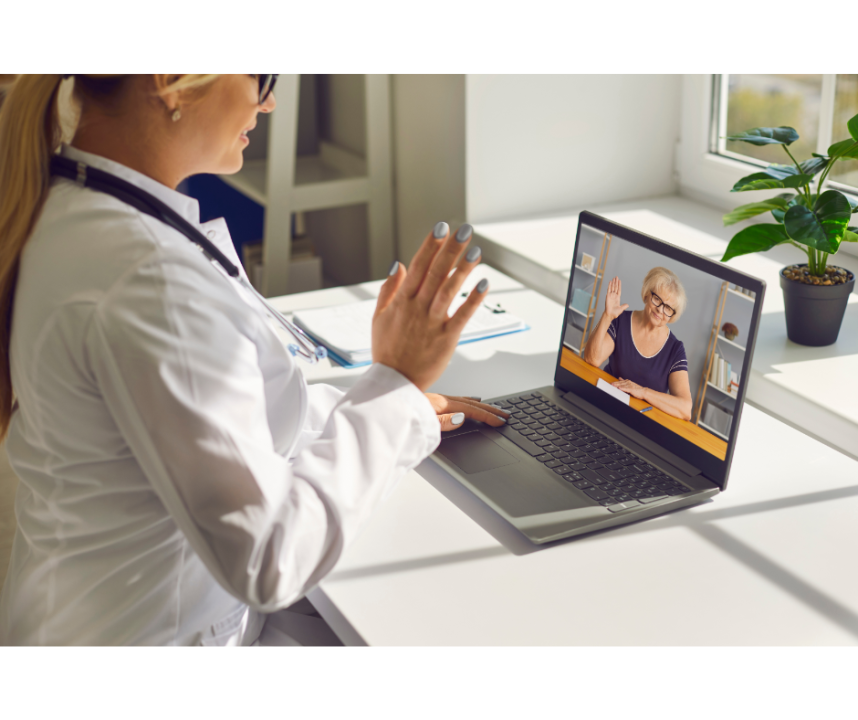
Healthcare access has been a persistent challenge for many women in the United States, and the conversation about how to close those gaps has shifted considerably in recent years. The growth of telehealth platforms designed specifically for women’s health needs has offered a meaningfully different model: one where a consultation, a prescription, and ongoing care coordination happen without requiring a physical clinic visit. For millions of women, this shift has changed not just how they access healthcare, but whether they access it at all.
The barriers that have historically prevented women from seeking timely healthcare are well-documented. Geographic access is a significant one, particularly in rural areas where the nearest OB-GYN or reproductive health clinic may be an hour or more away. Time is another: scheduling an in-office appointment, taking time off work, arranging childcare, and travelling to a clinic represents a logistical undertaking that discourages many women from pursuing care they genuinely need. Cost is a third variable, and for the substantial proportion of women who are underinsured or uninsured, the financial barrier to in-person specialist care can be prohibitive.
Telehealth addresses each of these barriers through a model that is fundamentally different from traditional healthcare delivery. Consultations happen online, on a schedule that works around the patient’s life rather than the clinic’s availability, without travel, and in many cases at a lower cost than in-person equivalents.
How Online Women’s Healthcare Actually Works
The model differs from a standard telehealth appointment in important ways. Rather than accessing a general practitioner virtually, purpose-built platforms for women’s health have developed care pathways for the specific health needs that women most commonly seek treatment for: contraception, STI testing and treatment, emergency contraception, skin and hair health, and menopause management.
A woman seeking birth control through an online platform typically completes a detailed health intake questionnaire that is reviewed by a licensed clinician. Based on that review, the clinician recommends the appropriate contraceptive option, issues a prescription where appropriate, and the medication is delivered to the patient’s home. Follow-up questions and ongoing care coordination happen through the platform. The entire process, from first health intake to receiving the prescription, can happen without ever visiting a pharmacy or waiting room.
Nurx is one of the leading platforms in this space, offering online consultations and care coordination for birth control, emergency contraception, STI testing, PrEP, skincare, hair loss treatment, and menopause support, all through a secure digital experience that connects patients with licensed healthcare providers.
The Convenience Factor and Why It Changes Behaviour
One of the most significant effects of accessible telehealth for women is a shift in health-seeking behaviour. Women who previously delayed addressing a healthcare need due to access barriers are more likely to act promptly when that need can be addressed online. For reproductive health in particular, this is consequential.
Consistent, reliable contraception requires timely prescription renewals. A woman who runs out of her birth control because the process of scheduling and attending a follow-up appointment proved too difficult is in a situation that telehealth nearly eliminates. An online renewal can happen within a day, without travel, without a waiting room, and often without the cost barrier of a specialist copay.
The same dynamic applies to STI testing. Regular testing is recommended for sexually active people under a certain age and for those with multiple partners, but stigma and inconvenience significantly reduce the rates at which people follow this recommendation. At-home test kits ordered through telehealth platforms, returned by post, and reviewed by a clinician convert an uncomfortable clinic visit into a discreet at-home process. That reduction in friction changes whether people test at all.
Women’s Preventive Health and the Online Model
Preventive care is the category where consistent healthcare access pays the most significant long-term dividends. Annual check-ins, routine screening, and ongoing management of chronic conditions all benefit from a model where the barriers to contact are low. Telehealth platforms that maintain an ongoing care relationship with their users are positioned to support this kind of proactive, preventive engagement.
For women managing long-term health conditions or those in life stages requiring particular attention, such as perimenopause or the period following pregnancy, having an accessible care team reachable through a familiar digital interface supports the consistency that good outcomes require.
The cost comparison with in-person care is relevant here too. Many telehealth platforms for women’s health offer membership or subscription models that bring the cost of routine care to a predictable monthly amount. For women who do not have insurance covering specialist reproductive health visits, this can represent meaningful savings compared to out-of-pocket clinic costs.
Addressing the Privacy and Quality Concerns
Two concerns often raised about online healthcare are quality of care and privacy. Both are worth addressing directly.
On quality: platforms operating in this space are subject to the same licensing and regulatory standards as traditional healthcare providers. The clinicians reviewing health intakes and issuing prescriptions are licensed practitioners. For clinicians who want to work as a telehealth provider, maintaining this high standard means stepping into a digital environment backed by rigorous credentialing, malpractice protection, and robust technical support. This ensuring structure guarantees that transitioning to virtual care does not mean compromising on professional excellence or clinical safety. The prescriptions they issue are real prescriptions filled by licensed pharmacies. The care that patients receive is clinically appropriate care delivered through a different channel, not a lower standard of care delivered through a more convenient one.
On privacy: purpose-built telehealth platforms handle health data under HIPAA requirements just as traditional healthcare providers do. Patients’ health information is protected under the same legal framework that governs any other healthcare provider, and the data security measures applied to digital platforms are typically at or above the standard of a physical clinic’s paper records.
Frequently Asked Questions
Can I get a prescription for birth control online without visiting a doctor in person?
Yes. Through telehealth platforms, a licensed clinician reviews your health information and, where appropriate, prescribes contraception without an in-person appointment. The prescription is filled by a licensed pharmacy and shipped directly to you.
Are telehealth women’s health platforms available in all states?
Availability varies by platform and by the specific service required. Some states have regulations affecting certain prescription categories. Most major platforms clearly state which services are available in which states before you begin the intake process.
How long does it take to receive a prescription through an online platform?
In most cases, the clinical review and prescription issuance happen within a few hours to one business day. Delivery time depends on the shipping option selected, but many platforms offer standard delivery within a few days and expedited options where needed.
Is online women’s healthcare covered by insurance?
Coverage varies significantly by insurance plan and by the service. Many platforms accept major insurance plans for prescription consultations. Some services are available at a flat fee without insurance that is competitive with or lower than typical insured copays.
What happens if my online provider recommends an in-person visit?
Telehealth platforms appropriately refer patients to in-person care when the clinical situation requires it. Situations that are not suitable for online management are identified during the intake review or follow-up, and the platform will advise on appropriate next steps.

Passionate about exploring diverse ideas and sharing inspiration, I curate content that sparks curiosity and encourages personal growth. Join me at ElementalNest.com for insights across a wide range of topics.