
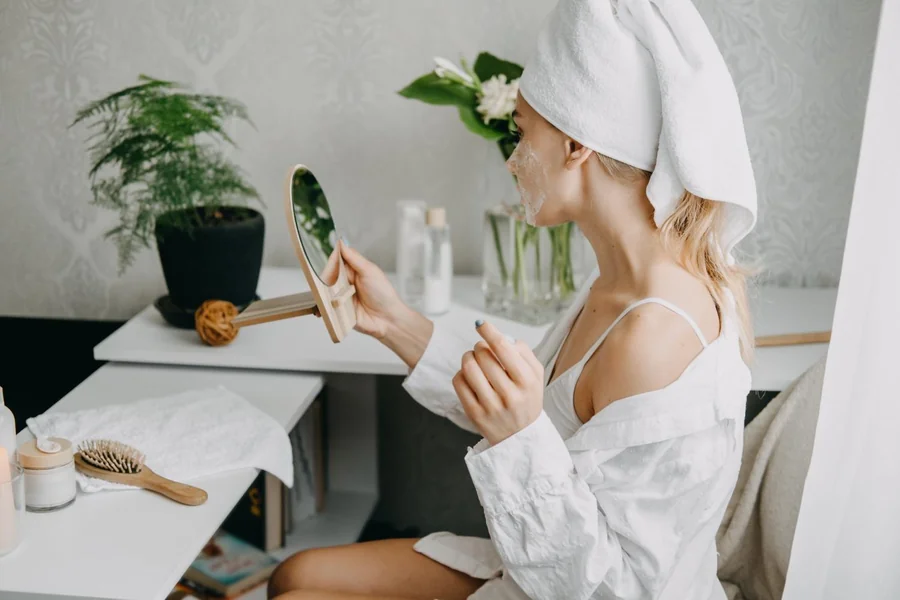
In recent years, many people have begun simplifying their beauty routines. Instead of long multi-step processes and overflowing bathroom cabinets, the focus has shifted toward efficiency, quality products, and techniques that deliver long-lasting results.
Minimalist beauty is not about doing less for the sake of it. For those interested in refining their approach, tsclistens offers valuable insights and practical tips. Rather, it is about choosing practices that provide the greatest benefit with the least daily effort. This shift reflects broader lifestyle trends where people prioritize practicality, sustainability, and routines that genuinely support their well-being.
From skincare to haircare and grooming, modern beauty habits increasingly focus on long-term results rather than temporary fixes.
The Appeal of Simplified Beauty
A streamlined beauty routine saves more than just time. It also reduces decision fatigue and allows people to focus on products and treatments that truly work for their skin and lifestyle.
For many individuals balancing work, family responsibilities, and social commitments, a complicated beauty regimen simply isn’t sustainable. Simplification helps maintain consistency, which is often more important than the number of products used.
Instead of layering multiple treatments each day, many people now prefer longer-lasting solutions such as professional skincare treatments, semi-permanent beauty services, or well-researched at-home techniques.
These approaches reduce the need for constant upkeep while still delivering polished results.
Learning Professional Beauty Techniques
Another major shift in the beauty world is the growing interest in understanding professional techniques. With access to tutorials, educational blogs, and product guides, consumers are increasingly curious about how salon treatments actually work.
Hair removal, for example, has traditionally been something people left entirely to salons. However, many individuals now explore safe at-home methods after researching the differences between professional tools and techniques.
Understanding the difference between hard vs soft wax is often one of the first things people learn when researching waxing methods. Each type of wax is designed for different areas of the body and different skin sensitivities, which is why salons often select products carefully depending on the treatment.
Hard wax is typically used for sensitive areas because it adheres to hair rather than skin, making removal less irritating. Soft wax, on the other hand, spreads more easily across larger surfaces and is commonly used for areas like legs or arms.
Learning how these techniques work allows people to make better decisions about whether to try certain treatments at home or continue relying on professional services.
Choosing Quality Over Quantity
Minimalist beauty routines are also built around the idea of investing in fewer but better products. Instead of constantly experimenting with new items, many people choose trusted products that consistently deliver results.
This philosophy often applies to skincare first. Dermatologists frequently emphasize that maintaining healthy skin requires only a few essential steps: cleansing, moisturizing, and protecting the skin from sun exposure.
By focusing on these basics and avoiding unnecessary product layering, people can maintain healthier skin without overwhelming their routine.
The same principle can apply to grooming practices as well. Understanding how professional treatments work often helps individuals identify which ones provide the most long-term value.
The Rise of Practical Beauty Education
Beauty education has become far more accessible than it once was. In the past, knowledge about salon techniques was largely confined to professional training environments.
Today, educational content is widely available online. Beauty schools, professional product manufacturers, and industry experts regularly publish guides explaining how treatments work, what tools professionals use, and what safety considerations people should keep in mind.
This shift has helped consumers become more informed and confident about their choices. Rather than relying solely on trends or marketing claims, people can evaluate beauty practices based on practical knowledge.
Informed consumers are better equipped to select treatments that align with their lifestyle and skin needs.
For guidance on safe hair removal practices and skin care considerations, readers can also consult resources from the American Academy of Dermatology (AAD), which provides medically reviewed information on waxing, skin irritation prevention, and overall skin health.
Balancing Convenience and Professional Care
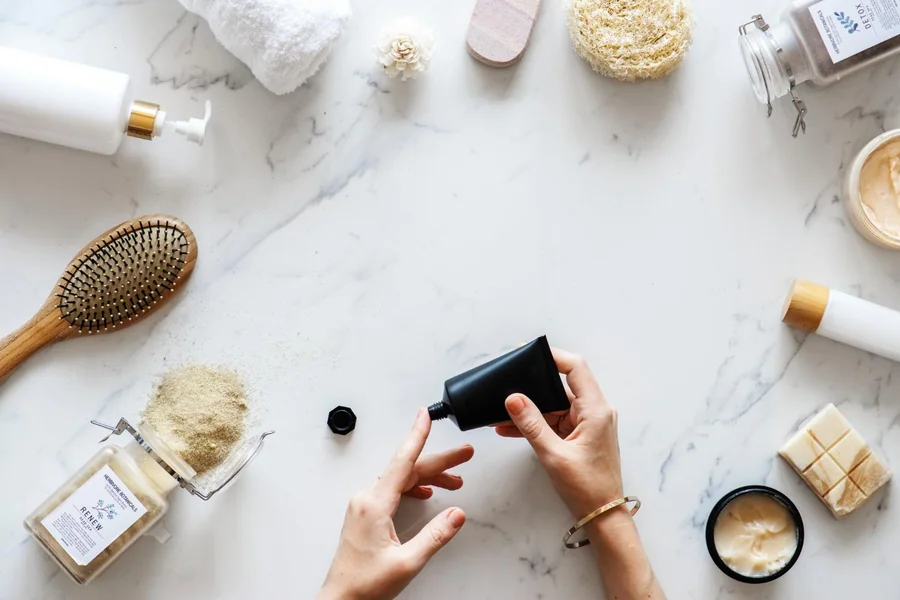
Although at-home beauty techniques are becoming more popular, professional services still play an important role in many people’s routines.
Salon treatments often provide a level of precision and expertise that can be difficult to replicate at home. Estheticians and beauty professionals are trained to evaluate skin types, recommend appropriate products, and perform treatments safely.
For this reason, many people adopt a hybrid approach. They maintain simple at-home routines while scheduling occasional professional services for treatments that require specialized skills or equipment.
This balance allows individuals to maintain consistent grooming habits while still benefiting from expert care when necessary.
Beauty as a Form of Self-Care
At its core, beauty is closely connected to personal well-being. While it is often framed as purely aesthetic, grooming routines can also contribute to confidence, relaxation, and a sense of control over one’s daily life.
Even small rituals, such as a consistent skincare routine or a simple grooming habit, can provide moments of calm in otherwise busy days.
Minimalist beauty routines support this mindset by removing unnecessary complexity. Instead of feeling pressured to follow constantly changing trends, people can focus on practices that genuinely support their comfort and confidence.
This approach encourages a healthier relationship with beauty, one based on practicality and self-care rather than perfection.
A More Sustainable Approach to Beauty
Simplifying beauty routines also aligns with growing interest in sustainability. When people purchase fewer products and focus on high-quality items, they reduce waste and unnecessary consumption.
This shift benefits both individuals and the environment. Fewer unused products accumulate in cabinets, and fewer items end up discarded before they are finished.
The beauty industry itself has begun responding to this demand by offering refillable packaging, more concentrated formulas, and products designed to serve multiple purposes.
Consumers who embrace minimalist routines often find that they save both money and space while maintaining effective results.
The Future of Beauty Routines
As beauty education continues to expand and consumers become more informed, routines will likely continue evolving toward practicality and personalization.
Instead of following rigid trends, people are increasingly building routines around what works best for their own skin, schedule, and lifestyle.
Minimalist beauty is not about abandoning care or self-expression. It is about choosing thoughtful, efficient practices that deliver lasting benefits without unnecessary complexity.
By understanding the techniques behind common treatments, investing in quality products, and maintaining simple habits, individuals can create routines that are both effective and sustainable.

Passionate about exploring diverse ideas and sharing inspiration, I curate content that sparks curiosity and encourages personal growth. Join me at ElementalNest.com for insights across a wide range of topics.