
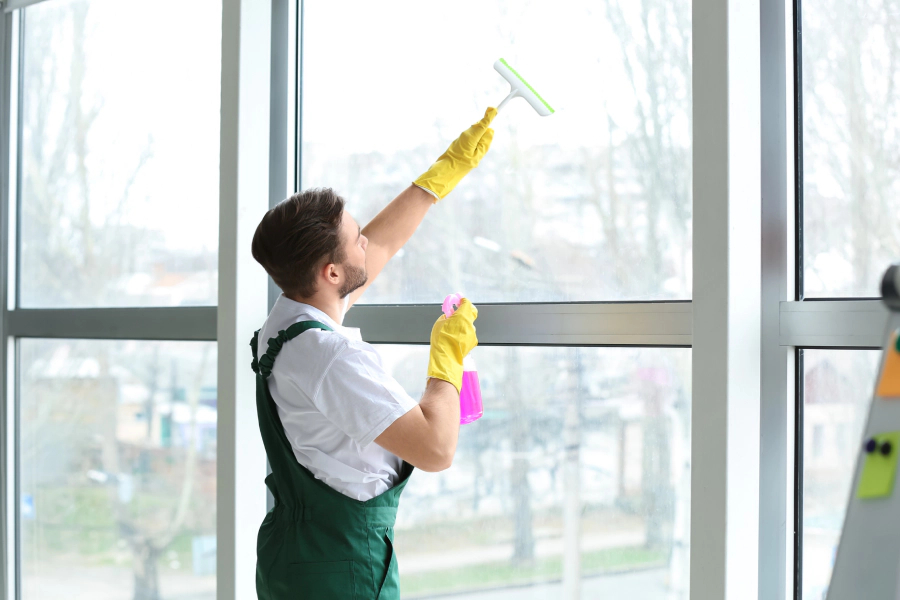
First impressions happen in about seven seconds. Sometimes less if your windows look like they haven’t been cleaned since the previous tenant moved out three years ago.
You’ve landscaped. Painted the trim. Fixed the front steps. Maybe even installed new lighting that makes everything look sophisticated after sunset. And then someone walks past during daylight, glances at your building, and their brain registers: neglect.
Not because your property is actually neglected. But because dirty windows broadcast neglect louder than almost any other visible building feature.
Let’s talk about why grimy glass destroys curb appeal in ways that seem disproportionate to the actual problem, and why fixing it matters more than you probably think.
The Window Effect Nobody Talks About
Clean windows are invisible. Your eyes go straight through them to what’s beyond – the interior, the view, the space itself. They’re architectural transparency doing what they’re supposed to do.
Dirty windows become the focal point. Suddenly people aren’t looking through the glass, they’re looking AT the glass. At the streaks. The water spots. That weird haze that makes everything behind it look dingy and unwelcoming.
It’s like wearing glasses with smudged lenses. You don’t see the world clearly – you see the smudges. Same principle with building windows except the impression sticks with people long after they’ve walked past. Professional window cleaning services like https://www.totalserviceny.com/ understand how this perception problem affects property values across the city.
One residential building owner in the West Village described it: “We renovated our lobby. New furniture, lighting, flooring – spent $80,000. Then someone mentioned our windows looked terrible. We’d completely overlooked them during the renovation. Had them professionally cleaned for $600. The impact on first impressions was bigger than the new furniture. Should’ve done windows first.”
What People Actually Notice (Whether They Realize It Or Not)
Most people can’t articulate why a building looks well-maintained or neglected. They just get a feeling. Research in environmental psychology shows that visual cues create subconscious assessments faster than conscious evaluation.
Dirty windows trigger multiple negative associations:
Age and decay. Grimy windows suggest the building is old and deteriorating, even if it’s relatively new and structurally sound.
Neglectful ownership. If visible maintenance is deferred, what invisible maintenance is being skipped? People extrapolate from what they can see.
Lower property standards. Buildings with dirty windows get mentally categorized as “lower tier” regardless of actual property value.
Reduced desirability. For residential properties, this affects rental and sales prospects. For commercial, it affects customer perception and business credibility.
The brutal part? These assessments happen unconsciously. People aren’t actively judging your windows. Their brain is processing visual information and forming conclusions before conscious thought gets involved.
The Neighborhood Comparison Problem
Your windows might not look that bad in isolation. But curb appeal isn’t evaluated in isolation – it’s relative to surrounding properties.
If you’re on a block where most buildings maintain clean windows, yours stand out negatively even with moderate dirt. The comparison makes your property look worse than it objectively is.
Manhattan and Brooklyn streets often have this dynamic. Well-maintained buildings cluster together. One property with neglected windows becomes the obvious outlier that everyone notices.
One real estate agent explained: “I can tell clients a property is a great deal, show them comps, explain the value. But if we walk up to a building with dirty windows while the building next door sparkles, their brain has already decided this is the less desirable property. Logic doesn’t override that initial visual impression.”
The flip side: on blocks where window maintenance is generally poor, being the one property with clean windows creates positive differentiation. You become the well-maintained exception rather than the neglected outlier.
The Interior Perception Effect
Here’s something counterintuitive: dirty exterior windows make interiors look worse even when interiors are impeccable.
Light coming through contaminated glass gets diffused and filtered. Colors appear duller. Spaces feel darker. Everything looks slightly dingy regardless of actual interior condition.
Stage a luxury apartment with designer furniture and art. Put it behind dirty windows. Photographs look mediocre. In-person showings feel disappointing. The space doesn’t live up to its potential because the windows are filtering and dulling everything.
Professional photographers know this. Before shooting interiors, good ones ensure windows are clean because dirty glass ruins interior shots even with professional lighting and editing.
For businesses, this affects customer perception directly. A restaurant with gorgeous interior design viewed through grimy windows looks like a place you’re not sure you want to eat. A boutique with beautiful merchandise displays loses impact when seen through dirty glass.
One café owner in Brooklyn tracked this specifically: “We invested in interior renovation. Beautiful space. But foot traffic didn’t increase much. Finally someone pointed out our windows were filthy. We cleaned them, and within two weeks people were commenting on how nice the café looked. Nothing inside changed. Just the windows. Same space, completely different perception.”
The Timing Problem That Compounds Everything
Windows don’t go from clean to dirty overnight. It’s gradual accumulation over weeks and months. You see them daily, so you don’t notice degradation the way occasional visitors do.
This creates a perception gap. To you, windows look “fine” because yesterday they looked almost identical. To someone seeing your property for the first time, they look neglected because they’re comparing to clean windows they saw elsewhere, not to what your windows looked like last week.
By the time you notice your windows need cleaning, they’ve probably needed it for weeks. And during those weeks, every person who walked past or visited formed impressions based on windows you didn’t realize looked bad.
The Cost-Benefit Math Nobody Does
Professional window cleaning for most residential and small commercial properties: $200-600 depending on size and window count.
Impact on curb appeal: immediate and dramatic for anyone viewing the property subsequently.
Compare this to other curb appeal investments:
- New landscaping: $1,000-5,000+
- Exterior painting: $3,000-15,000+
- New lighting: $500-3,000
- Entrance renovation: $2,000-10,000+
Window cleaning delivers comparable visual impact for a fraction of the cost. It’s arguably the highest ROI improvement available for properties where windows are currently dirty.
Yet most property owners skip window cleaning while spending thousands on other aesthetic improvements. The logic doesn’t track. You’re leaving the cheapest, highest-impact upgrade undone while investing in more expensive, lower-impact changes.
The Business Credibility Factor
For commercial properties, dirty windows send specific negative messages about business operations.
Retail: If you don’t maintain visible exterior features, customers wonder what shortcuts you take with products or service.
Restaurants: Dirty windows raise hygiene concerns. If public-facing glass is grimy, what does the kitchen look like?
Professional services: Law firms, medical offices, financial services – dirty windows suggest disorganization and lack of attention to detail. Not exactly the impression you want when clients are trusting you with important matters.
Hospitality: Hotels and vacation rentals with dirty windows get lower ratings and reviews mentioning “seemed run-down” even when everything else meets standards.
The window condition becomes a proxy for overall business standards in ways that feel unfair but are psychologically real.
The Residential Sales and Rental Impact
Real estate professionals will tell you: properties with clean windows photograph better, show better, and sell or rent faster at higher prices.
It’s not about the windows themselves mattering to buyers. It’s about windows affecting perception of the entire property. Clean windows create positive first impressions that carry through the rest of the showing.
Dirty windows create negative first impressions that bias people against the property even when everything else is excellent. Buyers and renters start looking for problems because the windows signaled “neglected property.”
One Manhattan broker estimated: “Clean windows might add $10,000-30,000 to a sale price just through improved perception and better marketing photos. Cost maybe $400 for professional cleaning. The return is absurd. Yet sellers skip this constantly, leaving money on the table.”
For rentals, clean windows reduce vacancy time and can justify slightly higher rents because the property presents better than comparable units with dirty windows.
The investment pays for itself multiple times over through faster transactions and better pricing.
What Actually Changes When You Clean Them
The transformation isn’t subtle. Before-and-after window cleaning often shocks property owners who didn’t realize how much dirt had accumulated or how much it was affecting appearance.
Light increases dramatically. Interiors feel brighter and more spacious without changing anything except exterior glass.
Colors look more vibrant. Everything inside appears fresher and more appealing when not viewed through contamination.
The building looks newer. Removing years of accumulated grime can make a property appear 5-10 years younger in photos and in person.
Details become visible. Interior features that were dulled by dirty glass suddenly stand out and contribute to overall appeal.
For urban properties especially, the impact can be dramatic given the city environment’s tendency to coat windows with pollution and grime.
It’s not magic. It’s just removing the filter that was making everything look worse than it actually is.
The Maintenance Schedule Nobody Follows
Most NYC properties benefit from professional window cleaning 2-4 times annually depending on exposure and contamination rates.
What actually happens: properties go 12-24 months between cleanings, or longer. Sometimes years. By the time service happens, windows are severely contaminated and curb appeal has suffered for extended periods.
The irony is that more frequent cleaning costs less per visit and delivers better results. Heavy contamination requires aggressive treatments. Light regular maintenance uses standard methods.
Four cleanings annually at $400 each = $1,600 One heavy restoration cleaning annually = $800-1,200 but with worse appearance 75% of the year
The frequent cleaning approach costs more but delivers better curb appeal consistently. The deferred approach saves money while looking worse most of the time.
For properties where curb appeal affects business revenue or property value, skipping maintenance to save $800 annually makes no financial sense.
Making the Change
Improving curb appeal through window cleaning isn’t complicated. Find competent professionals, schedule regular service, maintain basic appearance between cleanings.
The barrier isn’t difficulty. It’s not noticing that windows need attention because you see them daily and gradual degradation becomes invisible.
Set calendar reminders. Quarterly window inspection regardless of whether they look dirty to you. If they show any visible contamination, schedule cleaning.
Your perception has adapted to gradual decline. Trust the calendar, not your subjective assessment of whether cleaning seems necessary.
The goal isn’t achieving perfection constantly. It’s preventing the accumulated neglect that destroys curb appeal and creates negative impressions you’re not even aware people are forming.
Your property deserves to be seen clearly, not through layers of urban grime that make everything look worse than it actually is. And you deserve the curb appeal benefits that come from windows that do their job properly: being invisible so what’s beyond them can shine.
Clean windows won’t fix bad architecture or poor maintenance in other areas. But they’ll stop sabotaging the good work you’ve done everywhere else.
That’s worth $400 a few times a year.

Passionate about exploring diverse ideas and sharing inspiration, I curate content that sparks curiosity and encourages personal growth. Join me at ElementalNest.com for insights across a wide range of topics.