
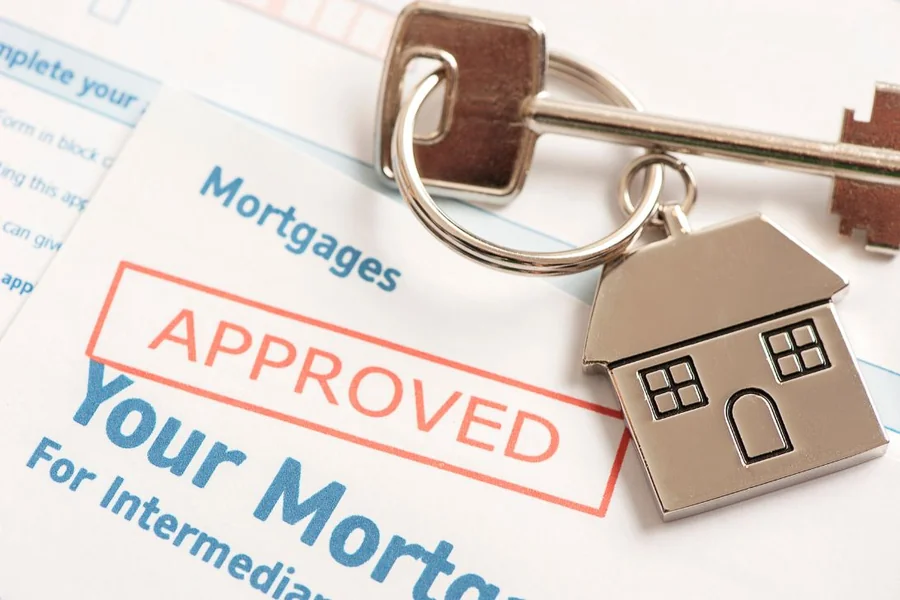
The mortgage program not only affects the way that the buyer will pay off the loan but also affects the amount of money needed to be paid upfront, the type of property that can be bought, the difficulty in securing the approval, and the amount of stress left even after the closing. The two buyers who buy properties of the same price might experience completely different things just based on their mortgage programs.
This is why it is important for a mortgage program to affect the purchasing process right away. The mortgage program is not something that becomes part of the equation after choosing the house.
Why Mortgage Programs Make a Difference Prior to the Hunt
Different mortgage programs cater to different buyer scenarios. Some minimize the upfront cash required by the borrower. Other programs help buyers in particular situations regarding eligibility, location, or the value of the property. The type of program the buyer is eligible for will influence the budget, location choices, and timeline for getting into the hunt.
This is why it makes sense to first understand the general difference between mortgage programs. Buyers who want a clearer view of available paths can learn more about mortgage programs and see how each option may affect the wider homebuying experience.
FHA Loans Could Reduce the Barrier to Entry
FHA loans are specifically created to make homeownership attainable for potential buyers who do not quite qualify as ideal candidates in conventional terms. The Federal Housing Administration permits the down payment to start from as low as 3.5 percent of the total purchase amount, while HUD calls the FHA financing program one that offers a lower down payment and easy credit qualification in comparison to others.
What this means is that there will be a difference in the early stage of the process. For instance, if the buyer requires additional time to save money to meet the higher down payment requirements, he could start his homeownership journey earlier through the FHA route. Of course, it is important that the borrower knows what effect the mortgage insurance has on the payments.
VA Loans Ease Upfront Stress for Qualified Borrowers
VA-purchased loans benefit qualified veterans, active duty service members, and selected surviving spouses. According to the U.S. Department of Veterans Affairs, VA loans do not require any money down if the sales price is not higher than the appraised value, and do not require private mortgage insurance.
This can completely change the way the transaction takes place. Rather than accumulating funds for several years in order to have enough money for a down payment, a qualified borrower may be able to buy a house without upfront stress and save cash for closing costs, relocation expenses, and repairs. No PMI requirement can also ease monthly expenses.
It is important to remember that the loan program applies to a certain class of borrowers, but those who are eligible will be able to buy a house in an entirely different manner.
USDA Loans Help Buyers in Qualified Rural and Suburban Areas
The USDA loans are intended for qualified rural and some suburban areas, with the income requirements depending on the buyer and location. According to the USDA, its Single Family Housing Guaranteed Loan Program allows up to 100% financing for qualified borrowers, which means that there will be no down payment required.
Such a loan program can make a difference in how far buyers are willing to go. If the buyer is unable to afford the purchase in a densely populated urban area, the eligible areas become an option, offering a more affordable way of buying. In such a case, the property search becomes not only financially driven but also geographically driven.
USDA loans can become important for those buyers who do not mind living in a small town or outer suburb area and who are looking for ways to minimize the upfront costs of purchase.
Jumbo Loans Provide Access to Costlier Properties
In the case where the amount of the mortgage goes beyond the limit of a conforming loan that applies in a certain region, jumbo loans are applied. In 2026, the minimum conforming loan limit for one-unit properties will be $832,750 in most regions of the United States and higher amounts in high-cost areas. Loans above these amounts will generally be outside the conforming limits.
This program takes the process in a totally different direction. Jumbo loan applicants are not concerned about lowering the entry hurdle. They are dealing with an expensive purchase involving tougher expectations. More consideration may be paid to income strength, reserves, debts, and overall borrower stability.
The Program Shaped More Than the Loan
Mortgage programs shape almost every aspect of the buying process. They can influence the amount one must have saved, which properties become feasible, how soon they can begin the process, and how easy the monthly payments will be down the line. An FHA loan may make it possible for someone to get into the market sooner. Programs such as the VA or USDA loan will change the amount of money needed up front. Jumbo loans operate at a wholly different purchasing level.
This is why there isn’t such a thing as the best program. The program that works best for one individual will depend on the specific factors that person has to consider in order to buy a home. This is something one should think about from the very beginning of the process.

Passionate about exploring diverse ideas and sharing inspiration, I curate content that sparks curiosity and encourages personal growth. Join me at ElementalNest.com for insights across a wide range of topics.