
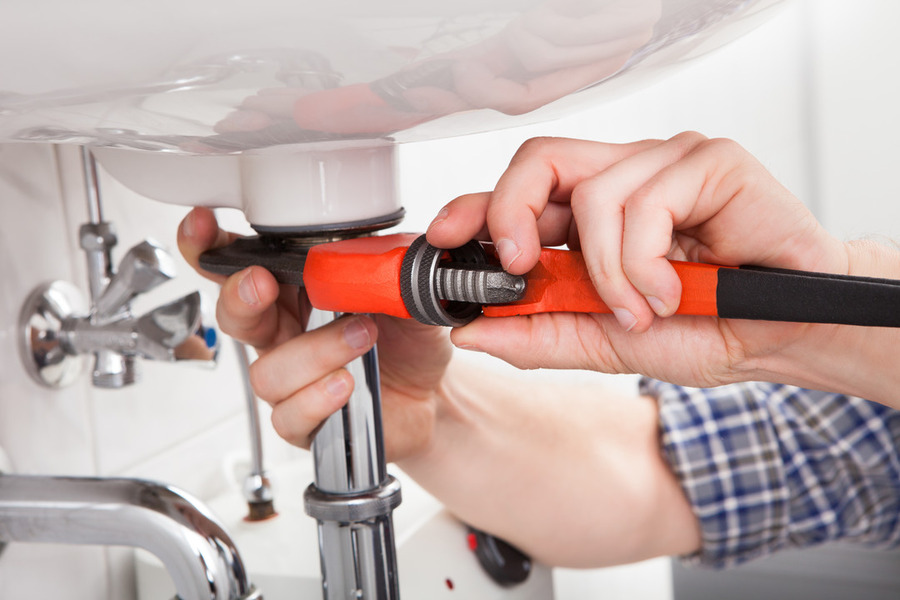
When faced with plumbing issues, many homeowners debate between tackling the problem themselves or calling in a professional. DIY plumbing projects can save money and offer a sense of accomplishment, but they also come with risks and potential complications. On the other hand, hiring a professional plumber ensures expertise and safety, especially for complex issues. This article will explore the pros and cons of DIY plumbing, when it’s best to hire a professional, cost considerations, and key factors to help you make an informed decision.
DIY Plumbing: Pros and Cons Explained
DIY plumbing can be appealing due to its cost-saving potential. Simple tasks like unclogging a drain or fixing a leaky faucet often require basic tools and some patience. However, attempting more complex projects without the necessary skills can lead to bigger issues. For instance, working on a radon mitigation system without proper knowledge can result in ineffective radon reduction, posing health risks. Additionally, the lack of a lead-safe renovation certification can lead to unsafe conditions, especially in older homes.
Another advantage of DIY plumbing is the flexibility it offers. You can work on your own schedule without waiting for a professional. However, the downside includes the risk of improper repairs that could result in water damage and higher repair costs down the line. While DIY projects may seem straightforward, they often require a deeper understanding of home plumbing systems, which a professional would possess.
When to Choose a Plumber Near Me
There are situations where hiring a professional plumber is the best option. Complex plumbing issues, such as installing an indoor air quality monitor within your plumbing ventilation system, require specialized knowledge and experience. Furthermore, if you’re dealing with a sewage backup or significant water leaks, a professional’s expertise is essential to prevent further damage.
Hiring a professional like Johnson Septic Service also ensures compliance with local building codes and standards, which can be crucial when making significant modifications to your home’s plumbing. A qualified plumber will have the necessary certifications and knowledge to ensure that any work done meets safety regulations. For example, a certified plumber would be adept at integrating a smart thermostat installation within your home’s heating and plumbing systems to optimize energy use.
Finally, a professional plumber is a reliable choice for urgent issues. In emergency situations where time is of the essence, searching for a Plumber Near Me can provide a quick and effective solution, preventing further damage to your home.
Cost Comparison: DIY vs Professional Plumbing
Cost is a significant factor when deciding between DIY and professional plumbing solutions. DIY projects generally have lower upfront costs, as you’re primarily investing in tools and materials. However, if mistakes are made, the cost of repairs can quickly add up. For instance, if a DIY project causes damage to a modular home construction, the repair costs could be substantial.
Professional plumbing services can be more expensive initially, but they often save money in the long run by preventing improper installations and further damage. According to a Home Depot report, homeowners can save up to 30% on water bills with professional plumbing solutions that include eco-friendly cleaning supplies and sustainable landscaping practices that reduce water usage.
Moreover, professional plumbers often offer warranties on their work, providing peace of mind and financial security in case of future issues. This assurance is something DIY solutions cannot match, making professional services a worthwhile investment for extensive plumbing needs.
Factors to Consider in Making Your Decision
Several key factors should influence your decision between DIY and professional plumbing solutions. First, assess the complexity of the task. Simple repairs might be manageable on your own, but anything involving the asbestos abatement process or significant structural changes should be left to professionals.
Next, consider your personal skill level and available time. If you have experience with home maintenance and time to dedicate to the project, DIY might be feasible. However, for those with less experience or a tight schedule, hiring a professional ensures the job is done correctly and efficiently.
Finally, evaluate the potential risks and consequences of a DIY approach. For instance, improper installation of a pet waste management system can lead to sanitation issues. A professional assessment, perhaps even involving a Feng Shui consultant, can provide a holistic view of how changes might impact your home environment.
Conclusion
Choosing between DIY plumbing and hiring a professional depends on various factors, including the complexity of the task, your skill level, and the potential risks involved. While DIY projects can be rewarding and cost-effective for minor issues, professional plumbing services offer expertise and assurance for more complicated or urgent problems. Ultimately, weighing these considerations will help you make the best decision for maintaining your home’s plumbing health and safety.

Passionate about exploring diverse ideas and sharing inspiration, I curate content that sparks curiosity and encourages personal growth. Join me at ElementalNest.com for insights across a wide range of topics.