
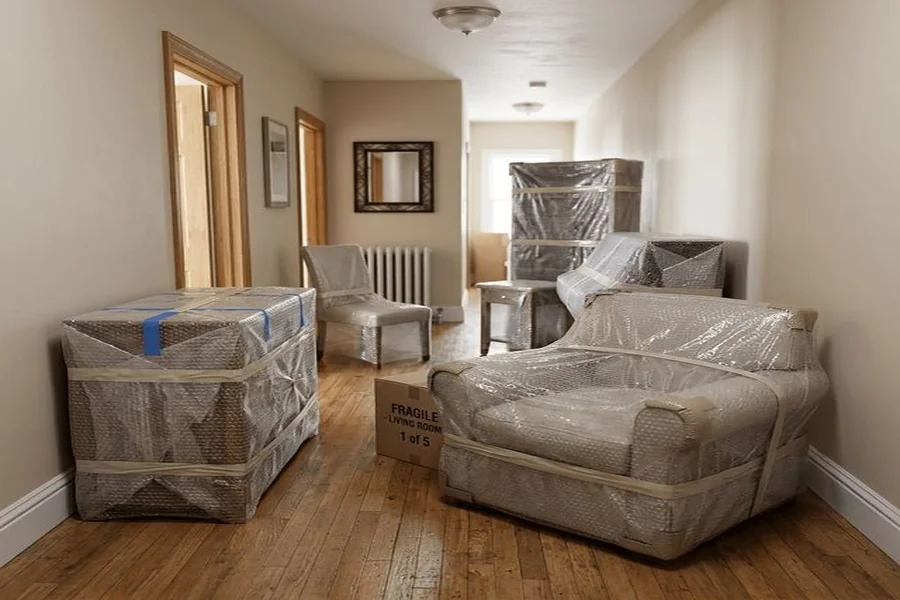
Moving to San Francisco is always a challenge. A city of hills, limited time, and high rental stakes. When you stand in front of a pile of boxes, fragile electronics, and an antique piano, the realization of the scale of the work can be paralyzing. At that very moment, a key question arises: who to entrust with packing your belongings? Packing services San Francisco are not just about “putting things in boxes.” They are about a guarantee of safety, saving dozens of hours of your time, and having no headache. In this article, we will break down how to distinguish professionals from amateurs, what to pay attention to when choosing a company, and how to make your move as smooth as possible.
Why Professional Packing Is Not a Luxury but a Necessity?
Many believe that packing on their own saves money. However, the reality is that an improperly packed porcelain dinner set or a plasma TV can cost you much more than professional services. Professional packers use special materials – kraft paper, various types of bubble wrap, corner protectors, boxes with reinforced bottoms. They know how to correctly disassemble a wardrobe so as not to damage the rails, and how to secure a glass tabletop so it does not crack during transport. Moreover, turnkey packing frees you from monotonous and physically demanding work, allowing you to focus on more important organizational matters – changing your address, setting up the internet, or meeting with a realtor.
Steps to Choose a Reliable Packing Partner
Choosing a packing company in San Francisco is a process that requires attention. Here is a step‑by‑step plan to help you avoid mistakes.
- Check reputation and licenses. Start by looking for reviews on independent platforms (Yelp, Google Reviews, Better Business Bureau). Pay attention to how the company responds to negative feedback. Having a license (California PUC number) and insurance is mandatory. Ask for a Certificate of Insurance to ensure your belongings are covered in case of damage.
- Request a detailed estimate. Avoid companies that give a “rough” estimate over the phone. A reliable contractor always conducts an on‑site survey (online or in person) and provides a detailed list of work. The estimate must clearly state: the cost of packing materials, number of boxes, labor, furniture assembly/disassembly. Ask whether packing fragile items (mirrors, paintings, chandeliers) is included in the price.
- Clarify what is included in the “standard” package. Many companies offer a basic packing package that includes only boxes and tape. Ask if they provide specialized boxes for wardrobes (with hanging bars), for electronics (with foam inserts), and for heavy items. If you are looking for a full‑service option, check out a Burlingame moving company https://got2move.com/local/san-francisco-bay-area/burlingame/ – many of them also offer packing and moving services in San Francisco, providing a complete cycle of work.
- Discuss insurance. Standard carrier liability (Released Value Protection) typically covers a minimal amount (e.g., $0.60 per pound). This is insufficient for valuable items. Ask about the possibility of purchasing Full Value Protection – that will ensure full compensation for damaged or lost property.
- Assess staff qualifications. Professional packers undergo training. They know how to properly label boxes, create an inventory, and optimize space in the truck. A good sign is staff wearing uniforms and having specialized equipment (dollies, straps, tape dispensers).
Key Aspects to Pay Attention To
Packing is not just a mechanical process. It is a strategy. Here are several nuances that distinguish high‑class professionals.
- Labeling and inventory. Professionals do not just put things into boxes. They label each box with the room and contents (e.g., “Kitchen: dishes, fragile!”). A detailed inventory is prepared, allowing you to easily find any item after the move. This is especially important if you are not going to unpack immediately.
- Preparing large and fragile appliances. Refrigerators, washing machines, TVs – require special preparation. For example, water must be drained from the refrigerator, shelves secured, and the door taped so it does not open during transport. Packing a plasma TV requires antistatic film and special boxes with foam corners.
- Handling pianos and antiques. This is a separate category. Moving a piano requires not only physical strength but also special equipment (piano dollies, straps). Antique furniture can be very sensitive to humidity and temperature changes. An experienced company will offer a tailored approach: using acid‑free paper, fabric covers, and climate control in the truck.
- Furniture disassembly and reassembly. Check whether disassembly and subsequent reassembly of furniture are included in the service. Many companies charge extra for this. Make sure all small parts (bolts, nuts, wrenches) are packed in separate labeled bags and attached to the corresponding pieces of furniture.
Conclusion: Your Action Plan
Choosing packing services in San Francisco is an investment in your peace of mind. Don’t skimp on professionalism, especially when it comes to fragile or valuable items. Remember: good packing is 80% of a successful move. Research the market, request several estimates, check reviews and licenses. Consult with specialists to get an accurate cost estimate and a custom packing plan. Only then can you be sure that your belongings will arrive at your new home safe and sound, and that the moving process itself will not become a source of stress for you.

Passionate about exploring diverse ideas and sharing inspiration, I curate content that sparks curiosity and encourages personal growth. Join me at ElementalNest.com for insights across a wide range of topics.