
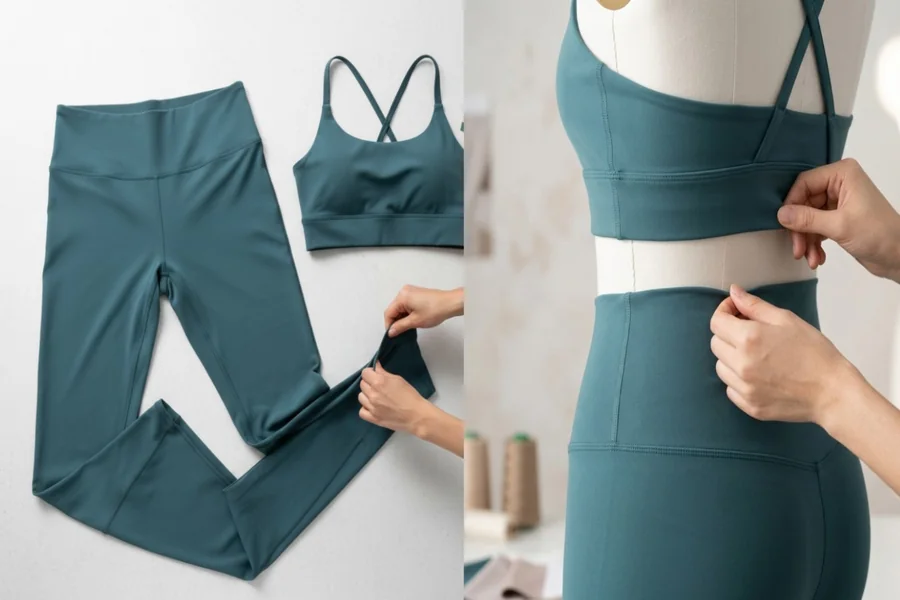
Activewear is not judged by appearance alone, but by how it performs in real movement. From fabric choice and fit to sampling and production, every detail affects comfort, durability, and overall performance. Understanding these key factors helps brands develop activewear that not only looks good but also works well in real-life use.
What to Keep in Mind When Choosing Fabrics for Activewear
When it comes to activewear, customers don’t evaluate a product based on how it looks on a hanger, they judge it by how it performs in motion. Whether it’s stretching, running, or repeated washing, the real value of activewear lies in how the fabric responds during use. This is why fabric performance becomes one of the most critical factors in product development, directly impacting comfort, durability, and overall user experience. As a result, athletic apparel manufacturers invest significant effort in evaluating fabric construction, stretch, weight, and finishing processes before moving into large-scale production.
One of the first elements to consider is fabric construction, as different knit structures deliver very different results. For example, interlock knits are known for better shape retention, opacity, and a smoother finish, making them suitable for leggings or fitted pieces. In contrast, single jersey fabrics are lighter and more breathable, often used for T-shirts or less compressive garments. Choosing the right construction depends heavily on the intended activity and level of support required.
Stretch is another essential requirement in activewear. Most performance fabrics are blended with elastane (spandex) to provide flexibility and freedom of movement. However, it’s not just about adding stretch – the balance between elasticity and recovery is key. A fabric that stretches well but doesn’t recover properly can quickly lose its shape after repeated wear, affecting both fit and product lifespan.
Fabric weight also plays an important role in performance and comfort. Lighter fabrics, typically around 120-180 GSM, are more breathable and suitable for low-intensity activities or layering. Medium-weight fabrics, around 180-240 GSM, offer a balance between comfort and support, making them versatile for various workouts. Heavier fabrics, above 240 GSM, provide more compression and durability, often preferred for high-intensity training where support and coverage are critical.
Beyond construction and weight, dyeing and finishing technologies have a significant impact on how the garment performs over time. Advanced finishing methods can improve colorfastness, reduce fading after washing, and help minimize the appearance of sweat marks during workouts. These technical enhancements not only improve aesthetics but also extend the usable life of the product.
Overall, high-quality activewear fabrics are expected to combine several key features: they should be soft, breathable, moisture-wicking, stretchy, shape-retaining, durable, and lightweight. To achieve this balance, commonly used materials include polyester, nylon, elastane (spandex) blends, and increasingly bamboo viscose, each offering different advantages depending on the intended use. Bamboo fabric, for instance, is widely adopted by bamboo pajama manufacturers for its softness and breathability, and these same properties are now finding their way into activewear designed for low-impact activities or recovery wear.
Selecting the right combination of these factors is what ultimately determines whether an activewear product performs well in real-life conditions.
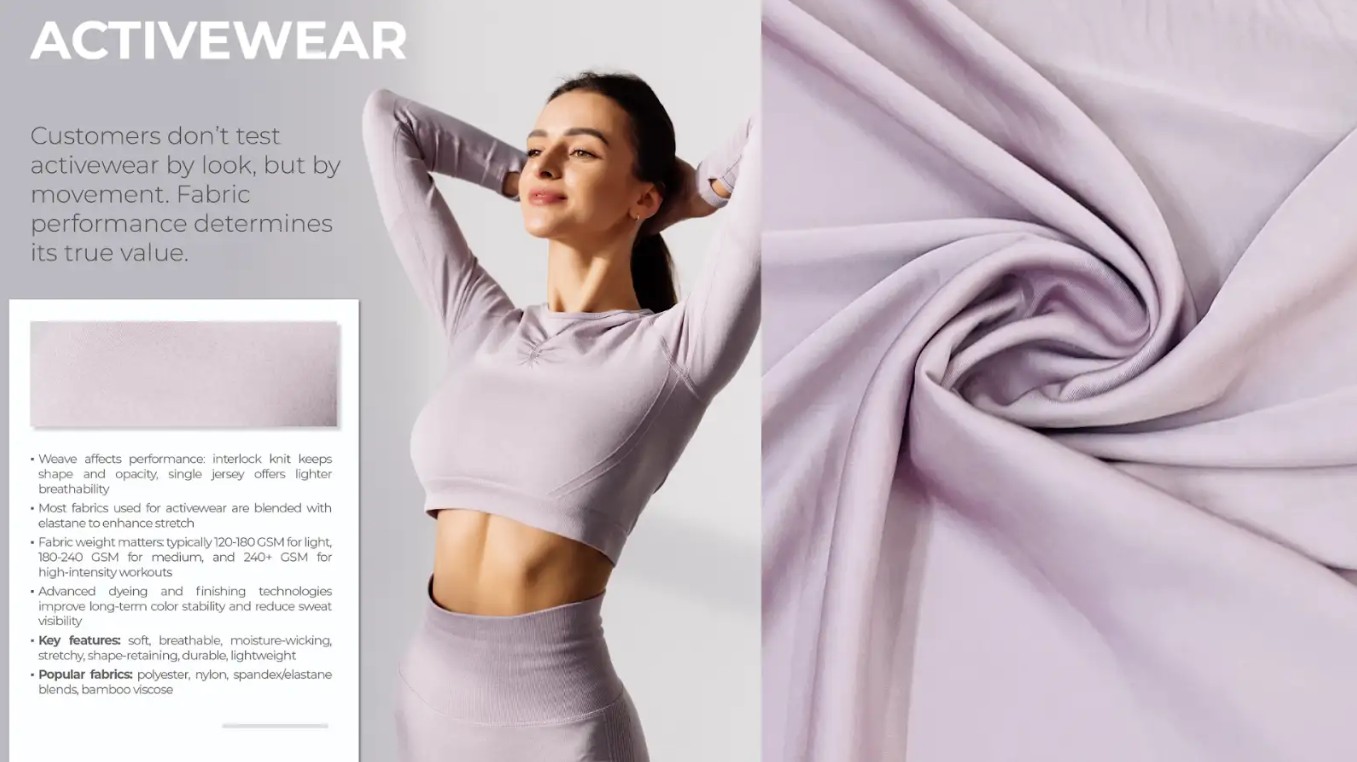 When it comes to activewear, customers don’t evaluate a product based on how it looks on a hanger, they judge it by how it performs in motion.
Why Fit and Performance Is Important for Activewear
Fit and performance are at the core of what defines good activewear, because unlike everyday clothing, these products are designed to move with the body under different levels of physical stress. A well-designed fit ensures that the garment supports natural movement without restriction, whether it’s stretching, running, or high-intensity training. Poor fit, on the other hand, can lead to discomfort, constant readjustment, or even reduced performance during workouts.
From a functional perspective, fit directly impacts how the garment performs. Activewear needs to stay in place during movement, leggings shouldn’t slip, tops shouldn’t ride up, and seams shouldn’t cause friction. This is one of the key challenges every legging manufacturer must address when developing products for sports, fitness, and everyday active lifestyles. This is why elements such as body-mapped design, ergonomic pattern cutting, and strategic seam placement are so important. Techniques like flatlock seams or seamless construction are often used to reduce chafing and improve comfort during extended wear.
Performance is also closely linked to how well the garment works with the chosen fabric. Stretch, recovery, and compression all need to align with the fit to deliver the right level of support. For example, high-compression pieces are often used for intense workouts where muscle support is needed, while lighter, more relaxed fits are better suited for low-impact activities. If the balance between fit and fabric is not properly managed, even high-quality materials may not deliver the expected performance.
Ultimately, good activewear should feel almost like a second skin – supportive without being restrictive, and comfortable without losing shape. Achieving this balance requires careful development from the early design stage, ensuring that fit and performance are considered together rather than as separate elements.
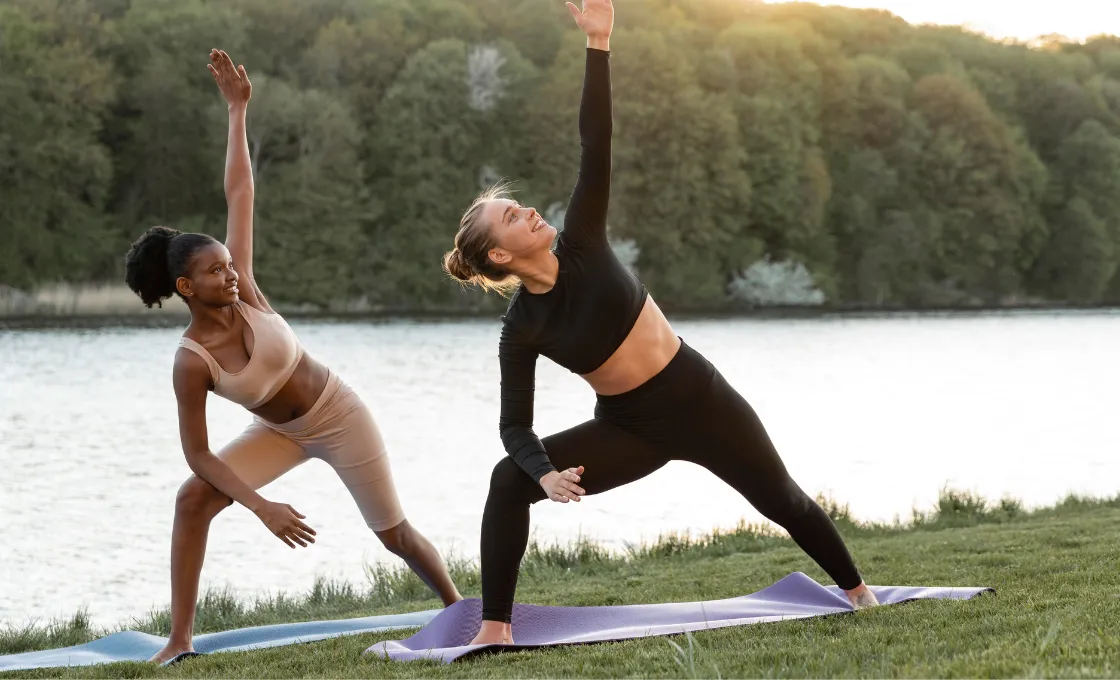
A well-designed fit ensures that the garment supports natural movement without restriction, whether it’s stretching, running, or high-intensity training
Manufacturer Collaboration in Product Development
Of course, many brands already have in-house product development teams and clear creative direction. However, combining that vision with the practical knowledge of a manufacturer who understands both activewear performance, pattern engineering, and large-scale production often leads to better outcomes. In many cases, these external insights provide valuable adjustments that improve product quality, consistency, and long-term scalability.
A capable activewear manufacturer can support in several key areas. First is fabric consultation, where they help brands choose the right materials based on product purpose – such as the appropriate level of stretch, compression, breathability, and moisture management to match the intended activity and performance level.
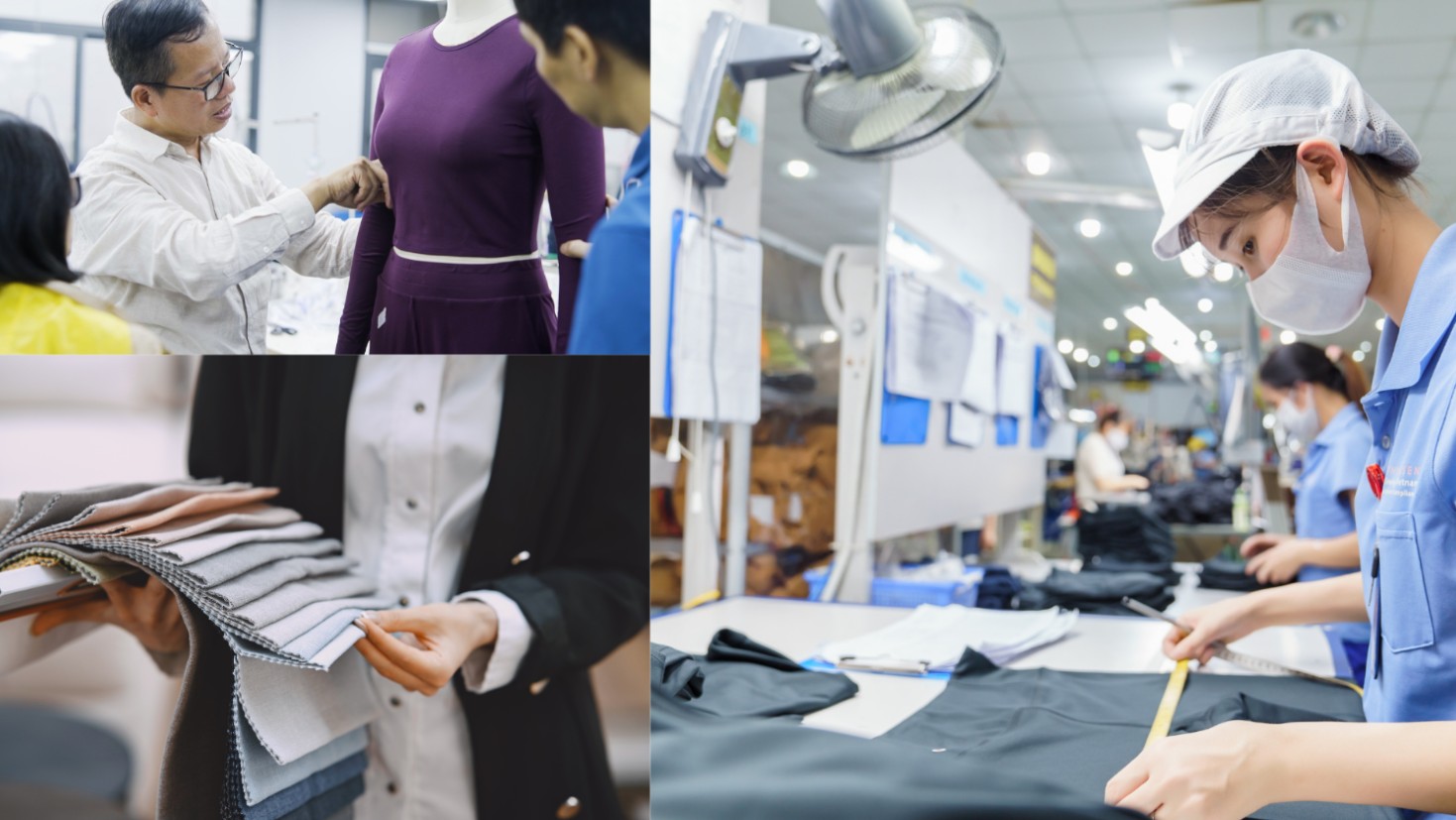 Brands should look for partners who have strong technical experience and the ability to provide practical input throughout the development process
Second is sample and development support, where manufacturers work closely on turning design ideas into workable prototypes. This includes refining patterns, adjusting fit, improving construction details, and ensuring the garment performs well in real use while staying true to the original design intent. At this stage, it is also crucial to validate production feasibility for bulk manufacturing, making sure the design can be consistently replicated at scale without compromising quality, fit, or performance.
Third is production feasibility and risk identification, where experienced manufacturers evaluate whether a design can be efficiently scaled for bulk production. For example, when developing a new fleece hoodie line, an experienced hoodie manufacturer can quickly flag issues that only show up once production moves from sample to bulk – such as fabric shrinkage after washing, inconsistent ribbing on cuffs and hem, or hood shape losing structure over time. Spotting these risks early allows adjustments to be made before the full run begins, helping brands avoid costly rework and ensuring the final hoodies fit and perform consistently across every unit produced.

Passionate about exploring diverse ideas and sharing inspiration, I curate content that sparks curiosity and encourages personal growth. Join me at ElementalNest.com for insights across a wide range of topics.