
Power outages can happen without warning, leaving you without lighting, refrigeration, internet access, or heating and cooling. A backup power system can keep essential appliances running until electricity returns. But choosing one isn’t as simple as picking the generator with the highest wattage.
Homeowners need to consider their electricity requirements, the length of potential outages, fuel availability, and installation costs. Comparing the best portable home backup generators can give you a starting point, but understanding what your household needs is just as important.
Here are seven factors worth considering before investing in a home backup power system.
1. Determine How Much Power Your Home Needs
Before comparing backup power systems, identify which appliances you want to keep running during an outage.
You probably won’t need to power everything in your home. For many households, a refrigerator, a few lights, phone chargers, and an internet router are enough for a short blackout.
Start by listing essential appliances and checking their wattage ratings. Remember that some appliances, particularly those with electric motors, require extra power when starting.
For example, a refrigerator might consume 150 watts while running but need considerably more during startup. A generator must have enough capacity to handle both the continuous load and the additional starting demand.
Add up the running wattages of appliances you plan to use simultaneously. Then account for the largest additional startup requirement.
This gives you a more practical estimate of the generator capacity you need instead of relying on guesswork.
2. Choose the Right Type of Backup Power System
Not all backup power systems work the same way. Your choice should depend on your budget, available space, and the appliances you need to operate.
The three main options include:
- Portable generators: These run on gasoline, propane, or other fuels and can power essential household appliances. They are relatively affordable but produce noise and exhaust.
- Standby generators: Permanently installed systems that can start automatically when utility power fails. They offer greater convenience but involve higher purchasing and installation costs.
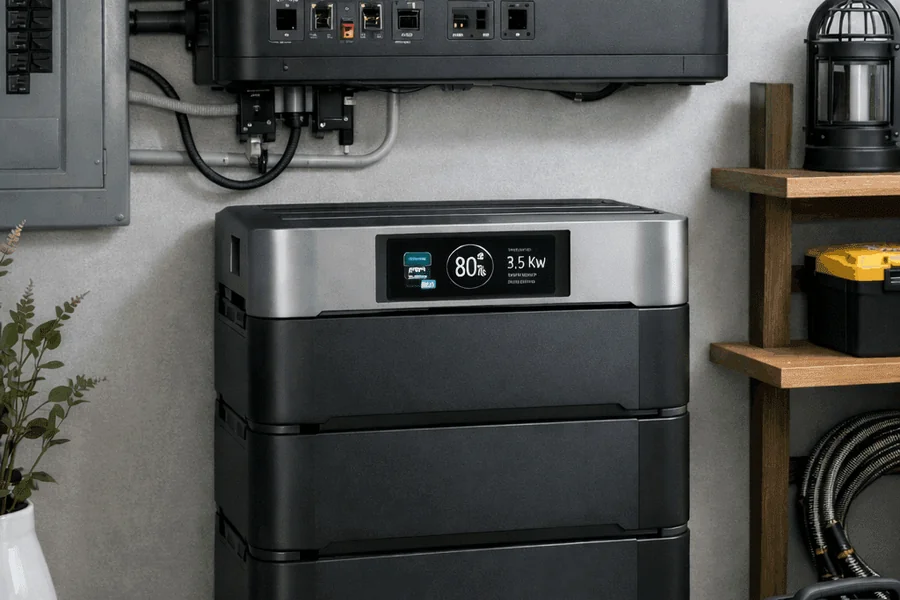
- Battery backup systems: These store electricity for later use. They operate quietly without combustion exhaust and may support solar charging, although runtime depends on battery capacity and electricity demand.
For occasional outages, a portable generator or battery system may provide sufficient coverage.
If you experience frequent, extended outages and want automatic backup for multiple household circuits, a standby generator could be worth the additional investment.
3. Consider Fuel Availability and Running Costs
The purchase price is only part of the total cost of owning a backup generator.
Fuel expenses can add up, especially when outages last several days. Before choosing a system, think about how easily you can access fuel during emergencies.
Gasoline generators are widely available, but gasoline has a limited storage life and needs proper handling. Propane can be stored for longer periods in suitable tanks, making it appealing for emergency preparedness.
Dual-fuel generators provide more flexibility by allowing you to switch between two supported fuel types.
Natural gas standby generators eliminate the need to refill portable fuel tanks when a functioning gas supply is available. However, their operation still depends on uninterrupted fuel service.
Check the manufacturer’s fuel consumption figures at different loads. Two generators with similar power ratings may use noticeably different amounts of fuel.
For battery systems, consider charging expenses and how you would recharge the unit during an extended blackout.
4. Pay Attention to Noise Levels
Generator noise might seem unimportant when you’re shopping, but it can become frustrating during an overnight outage.
Traditional open-frame generators can be quite loud, particularly when operating under substantial loads. This may disturb your family or nearby neighbors.
Inverter generators tend to offer quieter operation, especially at lighter loads, because many models can adjust engine speed according to electricity demand.
Manufacturers commonly express noise levels in decibels (dB). However, check the testing distance and operating load before comparing ratings. A measurement taken at 23 feet isn’t directly comparable to one taken much closer.
If you live in a densely populated neighborhood, noise deserves serious consideration.
Also, check local noise restrictions and homeowners association rules before purchasing a fuel-powered generator.
Battery backup systems have an advantage here. They produce no engine noise, although cooling fans may operate during charging or heavy use.
5. Understand Installation and Electrical Safety Requirements
Backup electricity is useful only when the equipment is installed and operated safely.
Portable fuel-powered generators must run outdoors because their exhaust contains carbon monoxide, a poisonous gas that has no smell or color.
The Centers for Disease Control and Prevention advises keeping portable generators at least 20 feet away from windows, doors, and vents. You should also have functioning carbon monoxide detectors inside your home.
Never operate a fuel-powered generator in a garage, basement, or enclosed porch, even with the doors open.
If you intend to connect a generator to household wiring, hire a qualified electrician to install approved transfer equipment.
Connecting a generator directly to a wall outlet can send electricity back into utility lines, creating potentially deadly hazards for utility workers.
Before purchasing, consider where the equipment will operate, how it will connect to your appliances, and what professional installation may cost.
6. Think About Runtime and Maintenance
Imagine purchasing a generator that can power all your essential appliances, only to discover that it needs refueling every few hours.
Runtime is an important consideration, especially in areas where storms can interrupt electricity for several days.
Manufacturers generally provide estimated running hours at a specified load, such as 25% or 50% of rated capacity.
Compare these estimates against your expected electricity consumption. A generator supplying a heavier load will generally consume more fuel.
For battery systems, calculate expected runtime using usable battery capacity and appliance demand. Remember to account for energy lost during power conversion.
Maintenance also matters.
Fuel-powered generators need periodic oil changes, inspections, and proper fuel management. Battery systems require less routine mechanical maintenance, but battery condition, storage temperature, and charging habits still affect long-term performance.
Consider how much time you’re willing to spend maintaining your equipment before deciding.
7. Look Beyond the Initial Purchase Price
A cheaper backup power system isn’t necessarily the most economical choice over several years.
Along with the purchase price, account for installation, fuel, maintenance, replacement parts, and possible repairs.
For example, a portable generator might have a lower upfront cost than a standby system. However, it requires manual setup, regular maintenance, and an available fuel supply.
A standby generator costs more initially but may offer automatic operation and greater convenience during frequent outages.
Battery systems remove fuel expenses during operation, although larger battery capacities can be expensive. Batteries also gradually lose capacity with age and use.
Look at the warranty, customer support, and availability of replacement parts.
It’s also worth checking how easily a system can be expanded if your electricity requirements increase.
The right investment is one that provides dependable power for the appliances you need without creating unnecessary expenses.
Final Thoughts
Choosing a home backup power system requires more than comparing generator prices or wattage ratings. Consider the appliances you need, expected outage duration, fuel costs, noise, safety requirements, and long-term maintenance.
Start by estimating your essential electricity demand, then compare systems that can meet those requirements.
A carefully chosen backup power system can make power outages far less disruptive and help your household stay comfortable and prepared when the grid goes down.

Passionate about exploring diverse ideas and sharing inspiration, I curate content that sparks curiosity and encourages personal growth. Join me at ElementalNest.com for insights across a wide range of topics.