
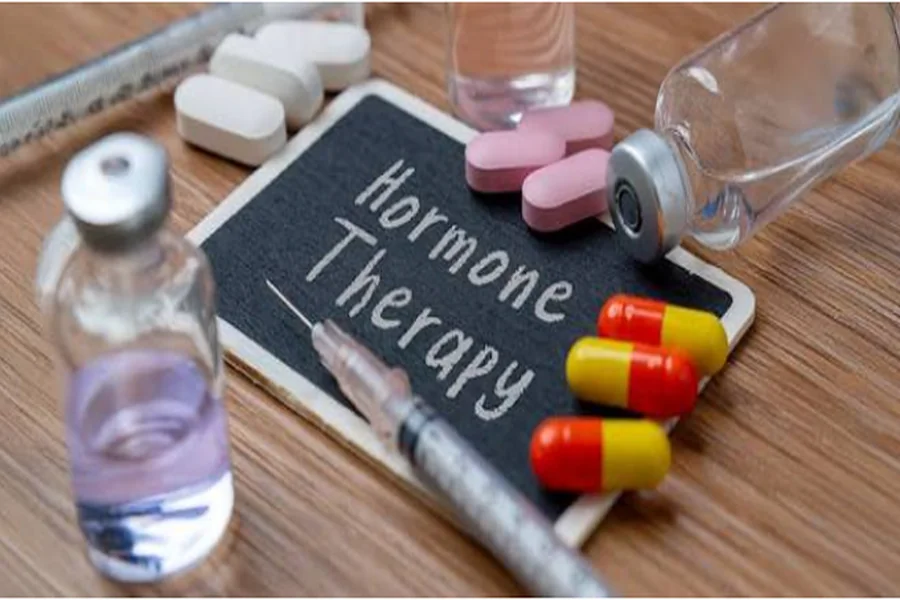
Hormone changes can make ordinary days feel strangely hard and unfamiliar. Hot flashes, poor sleep, low energy, and mood shifts often overlap. This leaves many patients unsure where useful treatment actually begins.
Hormone therapy adds more questions about testing, cost, comfort, and timing. Clear answers matter because every hormone plan carries personal tradeoffs. Your age, symptoms, medical history, and goals all shape safe care.
This guide clarifies the common concerns in simple and easy-to-understand terms. Also, you will know what the warning signs are that should be given quick medical attention during treatment. It helps you develop better questions before you begin Hormone Replacement Therapy.
What Patients Should Know About Hormone Replacement Therapy
The following are the practical answers patients usually need before choosing hormone-based care.
Does hormone pellet therapy work?
Pellet therapy can work for carefully selected patients with confirmed hormone needs. Hormones are gradually released from small implants under the skin, over a period of months. Some people state that they have fewer hot flashes, more stable mood or improved sexual function.
The results will, however, depend on dosage, diagnosis, age and general health. Many compounded pellets lack robust safety evidence available for approved options. Once inserted, their dose cannot be quickly lowered or stopped.
How much do hormone therapy pellets cost?
Usually, pellet prices in the U.S. vary from $300 to $800 per pellet. The final cost will vary based on hormones, dosage, location and clinic prices. There may be additional charges for initial consultation, baseline blood tests and follow-up visits.
Many patients need another insertion every three to six months. This schedule can push yearly spending well above one thousand dollars. Insurance coverage varies, while compounded pellets are often paid out-of-pocket.
Request a written quote for labs, procedures and post-surgical treatment. Also confirm cancellation charges and costs for treating any unexpected complications afterward.
Who is not a candidate for hormone pellets?
Certain medical conditions may make treatment with pellets unsafe. This can include unexplainable vaginal bleeding, liver disease or pregnancy. A review is needed for previous blood clots, stroke, heart attack or hormone-sensitive cancer.
People planning pregnancy should also carefully discuss different treatment choices. Pellets may not suit patients wanting quick dose changes or reversibility. Active skin infections near the insertion site should heal before treatment.
Some medications and a comprehensive family history can have an impactful difference in individual treatment risks.
Which is better, hormone pellets or injections?
Hormones can be administered through pellets or injections, as long as treatment is medically indicated. Medication is released from pellets gradually, which can lower the number of doses taken per day and the need for reminders to take medicine.
Doses can be titrated to symptoms, lab parameters, and treatment objectives with injections. Both approaches can help alleviate some symptoms once low levels of hormones are determined.
Can hormone pellet therapy increase energy levels?
Pellet therapy can be used to enhance energy levels when there is a known hormone deficiency and the patient is experiencing fatigue. The change is about the deficiency, not about building endless stamina. Others report improved mornings or greater clarity or motivation on a daily basis.
But sometimes, low energy is due to other factors other than hormones. This may be related to poor sleep, anemia, thyroid, depression or some medications. That’s why testing and total health checkup are important first. Energy gains can be slow to come on board until hormone levels are at desired levels.
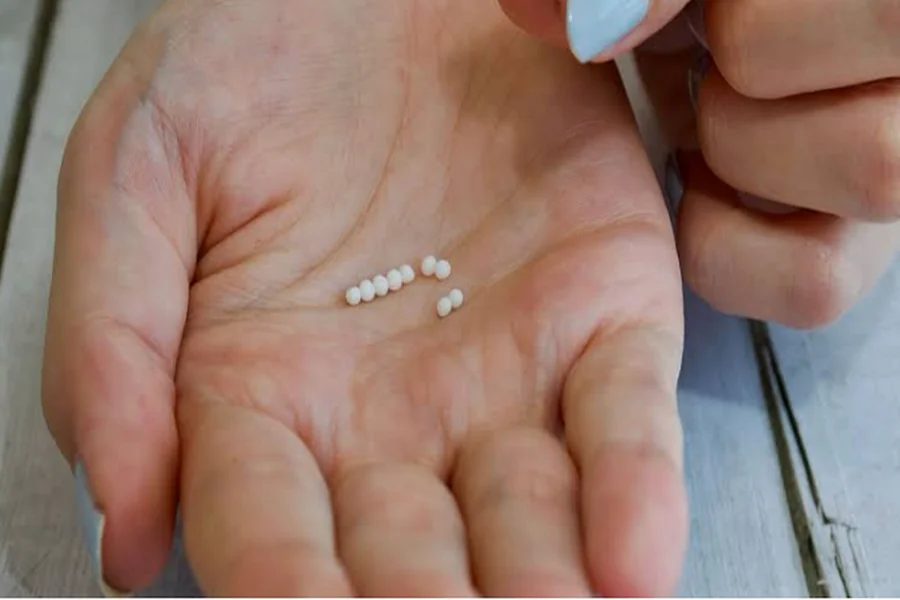
How soon will I notice results from hormone pellet therapy?
People get different results with the changes, but they can be noticed within a few weeks. Sleep, hot flashes, mood or energy may improve at varying rates. It may take 6-8 weeks for some benefits to become more apparent.
Typically prescribed hormones are released continuously for a couple of months after the first injection. The time frame is dependent on individual starting level, dose, metabolism and diagnosis. Follow-up testing can be used to demonstrate whether levels are within the desired treatment range.
Do I need hormone testing before Hormone Replacement Therapy?
Yes, symptoms can lead to a misdiagnosis, which is a reason for testing prior to treatment. Hormones may be measured in conjunction with other blood markers, such as thyroid, blood count, or metabolic markers. Medications, menstrual cycles, sexual and sleep issues are also reviewed by a clinician.
Results assist in confirming the deficiency and aid in safer dose selection. For a diagnosis such as menopause, testing is different than what it is for testosterone therapy or other diagnoses.
Can I exercise after the Hormone Replacement Therapy procedure?
Light walking is often acceptable after pellet insertion. But intense exercises of the lower body can irritate the wound and cause a redistribution of healing tissue. After treatment, many clinics will limit running, cycling, squats and heavy lifting for a period of time.
Restrictions are typically in place for several days based on placement and healing of wounds. Maintain clean, dry and always secure dressing as instructed. Do not swim, soak or rub the area until cleared by the clinician.
Is hormone pellet therapy painful?
Patients experience short-term stinging when the local anesthetic enters, but most will feel it only for a short time. You might feel a bit of pressure, but not a sharp pain, for a few moments after numbness. The doctor makes a very small cut and puts pellets under the skin.
The office visit will typically last only a few minutes and stitching is not usually required. It is normal for the area to be slightly sore, bruised, swollen or tender for a few days afterward. Normal discomfort can be treated at home with ice and over-the-counter pain medication.
If the pain is severe, warm, swollen, fever or if there is exposure to the pellet, it requires immediate attention. If numbing does not relieve procedure pain, notify the clinician right away.
Will hormone pellet therapy improve my sleep?
Pellet therapy can actually make sleep easier if you’re waking up due to hormone-related symptoms. With fewer night sweats or hot flashes, there are fewer nighttime disruptions and more deep sleep. Others report a more peaceful sleep once the treatment is stabilized.
In any case, pellets are not sleeping pills, and you can’t always expect improvement. Sleeping disorders such as sleep apnea, stress, pain, caffeine and certain medications can have a significant impact on sleep.
Conclusion
Hormone care feels safer and far less confusing when you know the right answers. You now know how testing, costs, pellets, and recovery may differ. Your health history still guides every treatment choice and follow-up visit.

Passionate about exploring diverse ideas and sharing inspiration, I curate content that sparks curiosity and encourages personal growth. Join me at ElementalNest.com for insights across a wide range of topics.