
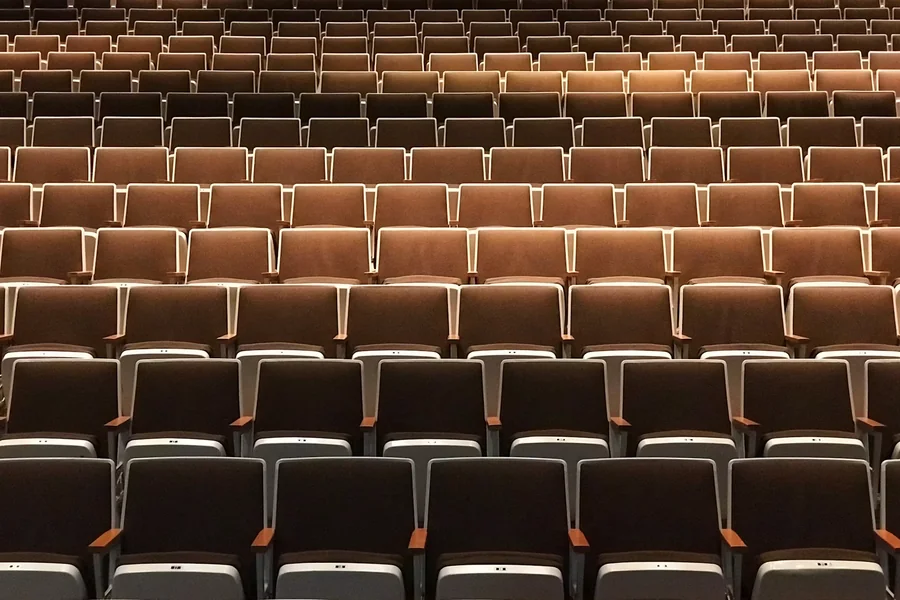
The closest seat is not always the best. Front rows offer detail and interaction, while seats farther back often provide a clearer view of the full production. The right choice depends on whether you value proximity, sound, atmosphere or the complete visual show.
Start With the Show, Not the Seat Number
Before comparing sections, check where the artist is performing and how the venue is configured for that date. Fans browsing concert tickets on Fanatix can search upcoming shows by performer, city and venue, which provides the basic information needed before opening the event-specific seating plan.
Once the correct date and venue are confirmed, study the layout rather than relying on a familiar section number. Section 110 might face the stage at one concert and sit behind it when another tour arrives with a different production.
Decide What You Want From the Night
Concert seats involve trade-offs, so start with one clear priority. Being close to the artist, hearing a balanced mix and seeing the entire stage can point to three different parts of the same venue.
Use these practical matches as a starting point:
- For close-up interaction: Choose floor seats or the first rows of the lower level, provided the stage is high enough to remain visible.
- For the complete production: Look for central lower or middle-tier seats with a direct view of the stage, screens and lighting rig.
- For balanced sound: Consider seats near the front-of-house mixing position, where the sound team hears the mix being delivered to the audience.
- For easier movement: Choose an aisle seat if quick access to entrances, toilets or concessions matters.
- For a lower price: Compare upper central sections before choosing cheaper side seats with a sharply angled view.
These are useful patterns, not guarantees. Speaker placement, temporary equipment, camera platforms and unusually tall stages can change the experience within a single section.
It is also worth checking whether people on the floor are seated or standing. A short fan ten rows from the stage may see less than someone in a raised lower-bowl seat farther away.
Read the Stage Shape Before Buying
An end-stage setup usually favours central sections, while sharp side angles can hide screens or parts of the production. Thrust and in-the-round stages bring more seats closer, although performers may still face some areas more often than others.
With general admission, your view depends on arrival time and crowd position. At stadium shows, also check for lighting towers, sound structures and other possible obstructions.
Zoom In Before You Check Out
Never assume that the standard venue map matches the tour. An interactive concert seat map can show available sections, individual seats, prices, resale listings and accessible options for the specific event.
Zoom in and inspect the exact row, not only the section. Front rows of an upper tier may provide a cleaner view than rear rows below, while a centre seat usually offers a straighter perspective than an aisle seat at the far edge.
Accessibility should be checked at this stage as well. Confirm companion seating, step-free routes, viewing-platform arrangements and any venue-specific booking procedure before payment.
Sound Depends on More Than Distance
Concert audio is designed for the room, but it does not reach every position identically. Seats directly beside a speaker array can feel intense, while corners and areas beneath deep balconies may receive more reflected sound.
Modern venues increasingly treat acoustics and visibility as part of the seating design itself. Pollstar’s report on OCVIBE’s planned concert hall describes an intimate seating bowl developed around clear sightlines and strong concert venue acoustics.
For many arena shows, a central position near the mixing desk provides a reliable balance. It may not deliver the closest view, but it often captures the vocals, instruments and production effects as the sound team intends.
Buy the Experience You Actually Value
The perfect seat is the one that protects your main priority without paying for features you do not need. A devoted fan may value proximity above everything, while someone attending a highly visual stadium tour may enjoy a central overview far more.
Check the event map, sightlines, stage height, resale conditions and total price before committing. A thoughtful seat choice can shape the entire concert long before the first song begins.

Passionate about exploring diverse ideas and sharing inspiration, I curate content that sparks curiosity and encourages personal growth. Join me at ElementalNest.com for insights across a wide range of topics.