
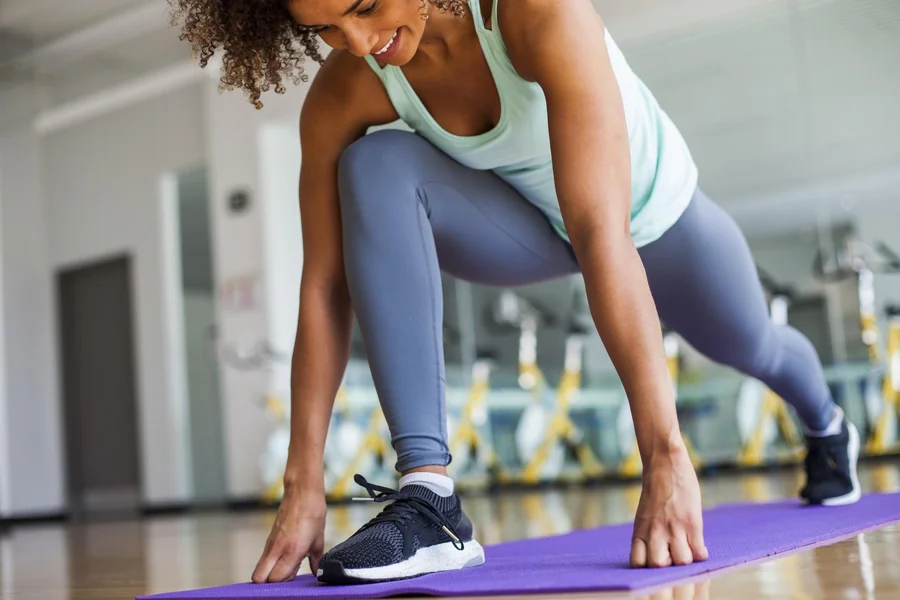
The traditional approach to personal fitness is undergoing a significant practical shift this season. For years, the gold standard of exercise required a massive time commitment; people felt obligated to pack a bag, drive to a commercial gym, and spend at least an hour lifting weights or running on a treadmill. Moving through the middle months of 2026, data from wellness applications shows that long-form gym sessions are declining in favor of a much more realistic habit. Busy professionals are increasingly adopting “micro-workouts,” which break physical activity down into short, intense bursts of movement throughout the day. This trend is gaining traction because it fits seamlessly into the cracks of a packed schedule, proving that consistency matters far more than duration.
Maximizing Small Windows of Free Time
The primary driver behind this behavioral shift is the modern reality of time scarcity. When a work calendar is filled with consecutive video calls and tight deadlines, blocking out a massive two-hour window for a traditional gym trip feels nearly impossible; the mental hurdle of the commute alone often leads to skipped sessions.
This friction has forced people to rethink how they utilize brief breaks in their physical and digital environments. Modern consumers actively look for flexible options that allow them to drop in for a few minutes and leave just as quickly. For example, a modern digital platform like VegasNow structures its user experience around highly modular, brief interactions that let visitors enjoy a quick activity during a dull moment without committing to a long session. This focus on bite-sized experiences shows how everyday habits are becoming more fluid. By scattering three or four ten-minute movement sessions across a workday, people can easily meet their physical goals without disrupting their office responsibilities.
To see how micro-workouts compare to traditional long-form gym training on a practical level, it helps to analyze the actual lifestyle costs:
| Fitness Routine Factor | Traditional Long-Form Gym Sessions | Modern Desk-Based Micro-Workouts |
| Total Daily Time Investment | 90 to 120 minutes (including travel) | 20 to 30 minutes total (split into bursts) |
| Mental Friction to Start | High; requires packing gear and commuting | Low; requires simply standing up from a chair |
| Impact on a Work Schedule | Disruptive; requires blocking out large calendar chunks | Seamless; utilizes natural gaps between meetings |
| Financial Cost | High; monthly memberships and fuel expenses | Zero; relies on body weight and home spaces |
| Physical Sustainability | Variable; higher risk of burnout or skipped days | High; easy to maintain even on exhausting days |
Five Core Benefits of Shifting to Shorter Movement Bursts
- Lower psychological barrier: It is incredibly easy to commit to a five-minute stretching routine compared to a heavy lifting session.
- Reduced sedentary fatigue: Frequent short breaks to move your body prevent the muscle stiffness caused by sitting all day.
- Natural energy spikes: Short bursts of exercise increase your heart rate; they act as a natural replacement for a mid-afternoon coffee.
- Minimal equipment required: Most micro-workouts rely entirely on calisthenics, yoga poses, or simple resistance bands.
- Improved focus: Step away from your computer for a quick movement set clears mental fog and resets your productivity.
How to Build a Sustainable Micro-Workout Habit
Transitioning away from a standard gym routine requires a smart approach to your daily environment. You cannot simply guess your movements; you need a basic plan to keep your physical health on track.
Set Specific Environmental Triggers
The easiest way to remember to move is to tie the exercise to an existing habit. For instance, you can commit to doing twenty air squats every single time you wait for your morning coffee to brew. Alternatively, try performing a simple door-frame stretch after finishing a major task; these small habits anchor the physical movement directly into your daily routine without requiring extra willpower.
Focus on Form Over Intensity
Because micro-workouts lack a traditional warm-up period, maintaining proper body mechanics is vital to preventing injury. Avoid jumping straight into maximum-effort sprints or heavy lifting without preparing your joints first. Focus instead on slow, controlled movements like lunges, planks, or wall sits, which safely build strength and flexibility while you are away from your desk.
The Future of Practical Health in a Busy World
As work demands continue to rise toward the end of the year, the rigid expectation of spending hours at a fitness center will continue to fade. Modern professionals are realizing that a healthy lifestyle is built through regular habits, not isolated exhaustion. Micro-workouts break down the traditional walls of fitness to make movement accessible to everyone. By prioritizing short sessions that respect your busy schedule, these tiny active breaks ensure that personal health remains a realistic part of your everyday life.

Passionate about exploring diverse ideas and sharing inspiration, I curate content that sparks curiosity and encourages personal growth. Join me at ElementalNest.com for insights across a wide range of topics.