
Key Takeaways
Plasma donations play a significant role in advancing medical care, paving the way for innovative therapies aimed at treating autoimmune disorders and hemophilia through vital immunoglobulins and clotting factors.
These donations are essential for managing chronic illnesses like liver failure and cystic fibrosis, offering patients critical plasma-derived therapies that help ease their severe symptoms.
In Utah, donors can expect to receive compensation ranging from $20 to $50 per plasma donation session. This financial incentive can help alleviate personal monetary stresses.
With a safe donation process conducted under strict medical supervision, most common side effects are mild, including light-headedness and minor bruising.
Donation centers adhere to rigorous safety protocols, implementing thorough health screenings and maintaining high cleanliness standards, all aimed at ensuring a secure environment for donors.
Preparation for plasma donation involves remaining hydrated, enjoying a light meal, and opting for loose clothing, which all contribute to a more comfortable experience during the appointment.
Getting familiar with the donation process and knowing what to expect can significantly reduce apprehensions since donors typically recover quickly and feel a sense of fulfillment after their contributions.
Unpacking the Life-Saving Impact of Plasma Donations
How Plasma Donations Contribute to Medical Advances
The effects of plasma donations reach far beyond immediate medical needs. They possess the power to foster innovation in treatments and therapies. Specifically, plasma serves as a crucial element in the development of immunoglobulin therapies, enabling treatment for various autoimmune disorders. Moreover, it is essential for creating clotting factors necessary for hemophilia treatment. As more individuals contribute, the potential for research and advancements in medical therapies can flourish.
This ongoing cycle not only addresses the current requirements but also sets the stage for future breakthroughs. Each plasma donation might just hold the key to the next groundbreaking treatment. It’s remarkable how, with every donation, medical professionals receive the essential materials needed to research and trial new medications, thus accelerating healthcare advancements. This is an impact that individuals may not fully appreciate.
The Role of Plasma in Treating Chronic Conditions
Plasma donations in Utah are instrumental in addressing various chronic conditions. Diseases, including liver failure, recovery from burn injuries, and cystic fibrosis, often depend on plasma-derived products. Each donation transforms into a lifeline for patients facing debilitating symptoms in their daily lives. Plasma enables hospitals to provide therapies that wouldn’t be feasible otherwise.
- Supports burn recovery: Plasma assists in replenishing vital nutrients and antibodies lost due to extensive skin damage.
- Manages liver diseases: Patients undergoing treatment for liver failure derive immense benefits from plasma-derived clotting factors.
- Treats hereditary conditions: Conditions such as hemophilia necessitate regular plasma infusions to maintain healthy blood clotting.
The advantages are substantial. Just one donation can relieve suffering for numerous individuals. When the community unites to donate, the collective impact can be colossal. The vast number of lives improved because of these donations highlights their importance.
Discover the Surprising Financial Benefits of Donating Plasma
How Plasma Donation Can Supplement Your Income
Many might not realize that donating plasma can also offer a financial boost. In Utah, compensation structures reward donors for their time and effort, usually ranging from $20 to $50 per session, with specific details varying by center. For numerous individuals, this financial incentive can provide a significant advantage.
This supplemental income can help lighten financial burdens. Whether it’s for paying a bill, saving for a vacation, or covering an unexpected expense, donations become a practical source of support. Working individuals, students, and anyone looking for extra cash can find value in this mutually advantageous arrangement.
Understanding Donation Compensation: What to Expect
Having clear expectations about compensation is vital. Most plasma donation centers clearly define their payment structures. Here’s what donors might typically encounter:
- Initial screening: First-time donors usually undergo a more detailed health assessment, essential for safety.
- Frequency: Regular donors may frequent centers more often, and in some cases, compensation rates can increase with time.
- Payment methods: Most centers provide various payment options, including prepaid debit cards or electronic transfers.
Besides the financial reward, donors also experience the satisfaction of knowing they’re supporting an important cause. This dual benefit serves as a fantastic motivator for participating in plasma donations consistently.
Debunking Myths: The Truth About Plasma Donation Safety
Are Plasma Donors at Risk? Addressing Common Concerns
Concerns about safety are quite common when considering plasma donation. Potential donors may hesitate due to various misconceptions. It’s essential to clarify, though: plasma donation is relatively safe and follows strict medical oversight. The most frequently experienced side effects — light-headedness or minor bruising — are typically mild and manageable.
“No one should fear the donation process. Many find it less daunting than giving blood.”
It’s vital for the public to recognize just how carefully regulated this process is. The strict monitoring of donation practices guarantees protection for potential donors, ensuring they are well-informed about what the procedure entails.
The Rigorous Safety Protocols in Place at Donation Centers
What measures ensure donor safety? Plasma donation centers comply with strict guidelines provided by organizations like the FDA and the American Association of Blood Banks. Key protocols include:
- Health screenings: All donors undergo evaluations to confirm they are healthy enough for donation.
- Clean facilities: Centers uphold high cleanliness and sterilization standards to mitigate risks.
- Technical expertise: Trained professionals manage the donation process, ensuring safe handling at every step.
As individuals become aware of these protocols, their confidence in the donation process’s safety generally improves. Plasma donation should not evoke fear; instead, it should inspire action.
Your Guide to a Smooth Plasma Donation Experience
Preparing for Your First Plasma Donation Appointment
Preparation makes a difference. Donors can enhance their comfort and overall experience by knowing what awaits them during their first visit. Here are useful tips for an effective appointment:
- Stay hydrated: Consuming adequate water before the appointment supports optimal blood volume.
- Eat before donating: A light meal helps maintain energy levels throughout the donation.
- Dress appropriately: Opt for clothing with sleeves that can be easily rolled up for arm access.
Simple preparation steps can lead to a much more pleasant experience. By following these guidelines, donors set themselves up for a positive journey during their plasma donation.
What to Expect During and After the Donation Process
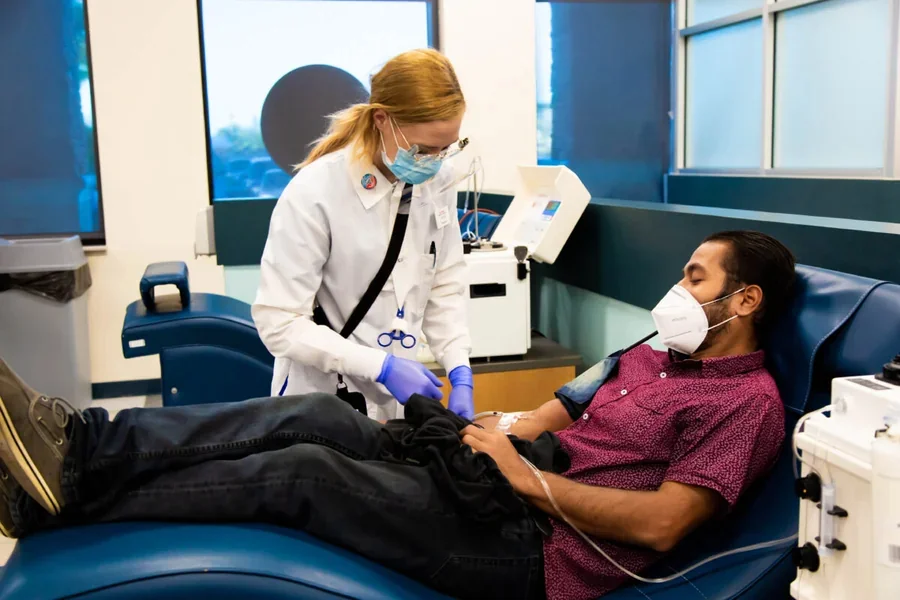
What actually occurs during the donation? Familiarizing oneself with the process can alleviate concerns. Generally, a plasma donation takes about 1 to 2 hours. Donors go through these stages:
- Check-in: Upon arrival, donors complete required paperwork detailing their medical history and consent.
- Health evaluation: Medical staff assesses vital signs and performs a brief physical examination.
- The donation: A needle is inserted, plasma is collected, and red blood cells are returned to the donor.
Post-donation, donors usually take a short rest and are often provided refreshments. This breather allows the body to recover adequately after giving plasma. Most folks resume their daily routines pretty quickly, encouraged by the sense of accomplishment that they’ve helped others.
Every plasma donation carries the potential not only to aid in medical treatments but also to create positive impacts on individual lives both financially and emotionally. As Utah continues to promote plasma donations, community involvement has never been more crucial. Embracing the journey can yield rewarding experiences for both the donor and those in need of vital therapies.
FAQ
What are the eligibility requirements to donate plasma?
Eligibility typically involves being at least 18 years old and weighing a minimum of 110 pounds. Donors should also be in good health and free from specific medical conditions. Most donation centers detail their criteria on their websites, making it wise to take a look at those specifics.
Can anyone donate plasma, or are there restrictions?
Restrictions may apply based on medical history, travel history, or lifestyle choices. Certain conditions, like infections or recent vaccinations, might also temporarily disqualify someone. It’s best for potential donors to ask staff during the initial screening to address any questions.
How often can someone donate plasma?
Generally, the advice is to wait at least 48 hours between donations. Many centers allow individuals to donate once or twice weekly. This frequency helps ensure the donors remain healthy while allowing adequate recovery time for their bodies.
What is the difference between donating blood and donating plasma?
While both processes involve a needle and a donation experience, blood donation collects whole blood, which is subsequently separated into components. Plasma donation specifically targets the liquid aspect of blood. Thus, while both donation types are vital, their focus and processing methods differ significantly.
How is donor privacy protected during the donation process?
Donor privacy is a top priority at plasma donation centers. Facilities adhere to stringent regulations and policies to secure confidentiality concerning personal information. Most centers require signed consent forms, and donors can trust that their data is safely stored and accessed only by authorized personnel.
What happens to the plasma once it is donated?
After collection, plasma typically undergoes processing at specialized facilities. Here, it is tested for infections and subjected to various quality controls. Depending on its intended application, it may be converted into life-saving therapies or stored for future use. This meticulous approach maintains the highest safety standards.
Are there any lifestyle habits that can enhance donation outcomes?
Certainly. Maintaining a balanced diet, staying hydrated, and avoiding caffeine or alcohol can all contribute to a smoother donation experience. Regular physical activity can also enhance blood flow, helping to facilitate more effective plasma donations.
Can plasma donations help with specific medical conditions or treatments?
Absolutely. Plasma donations are vital for treating various medical conditions, including bleeding disorders and immune deficiencies. By supplying essential clotting factors and immunoglobulins, plasma can significantly improve many patients’ quality of life battling chronic illnesses.

Passionate about exploring diverse ideas and sharing inspiration, I curate content that sparks curiosity and encourages personal growth. Join me at ElementalNest.com for insights across a wide range of topics.