
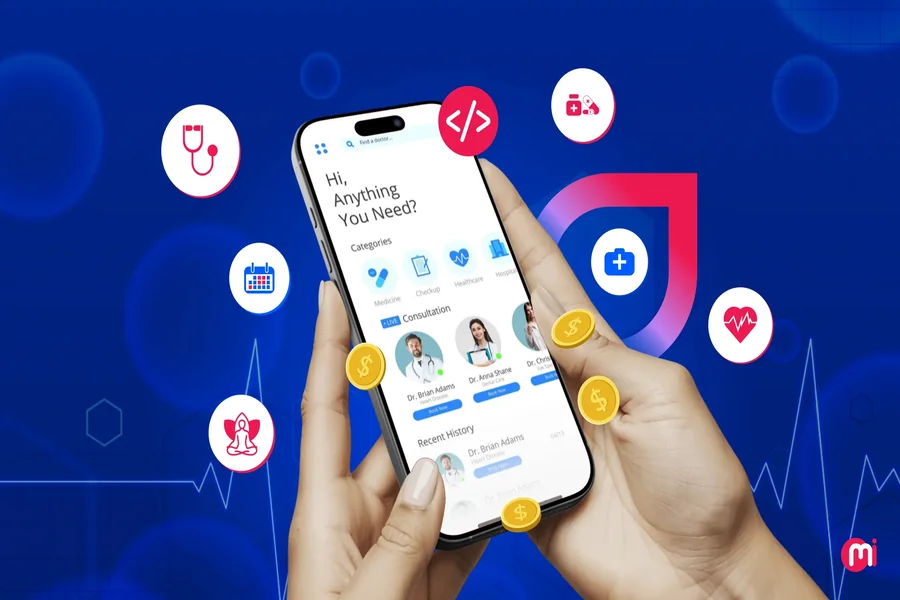
Healthcare is becoming increasingly connected, and mobile technology is playing an important role in how patients, doctors, clinics, and healthcare organizations interact. From booking appointments to attending virtual consultations, mobile applications are making healthcare services more accessible and convenient. As demand for digital healthcare continues to grow, organizations are investing in applications that improve patient experiences while helping medical professionals manage everyday processes more efficiently.
A reliable healthcare mobile app development company dallas can help healthcare organizations transform their ideas into secure and user-friendly digital solutions. Development teams can create applications for hospitals, clinics, private practices, telemedicine providers, pharmacies, health insurance companies, and healthcare startups. Depending on the project, these applications can include appointment scheduling, electronic health record integration, secure messaging, virtual consultations, medication reminders, payment functionality, and patient portals.
Why Healthcare Organizations Need Mobile Apps
Traditional healthcare processes can involve long waiting times, phone calls, paperwork, and repeated visits. Mobile applications can reduce many of these challenges by allowing patients to access services directly from their smartphones.
Patients can use healthcare apps to find doctors, schedule appointments, receive reminders, communicate with healthcare providers, access medical information, and manage prescriptions. Healthcare providers can use mobile solutions to organize patient interactions, streamline administrative tasks, and provide remote services.
For healthcare organizations, mobile applications can therefore become more than communication tools. They can support important parts of the patient journey while creating a more connected healthcare experience.
Key Features of Healthcare Mobile Applications
The features included in a healthcare application depend on the organization’s goals and target users. However, several capabilities are commonly requested.
Appointment Scheduling
Appointment management is one of the most useful features for patients and healthcare providers. Users can view available time slots, select physicians, book appointments, and receive automated reminders.
Healthcare organizations can also use scheduling systems to manage cancellations and reduce missed appointments.
Telemedicine and Video Consultations
Telemedicine has changed how patients access medical professionals. Healthcare apps can provide secure video consultations, allowing patients to communicate with doctors without traveling to a clinic.
A telemedicine solution may include video calls, audio consultations, secure messaging, appointment scheduling, digital prescriptions, and follow-up communication.
Electronic Health Record Integration
Connecting an application with electronic health record systems can provide healthcare professionals with access to relevant patient information when needed.
Integration may involve APIs and healthcare interoperability standards such as HL7 and FHIR. Proper integration can help reduce duplicate data entry and create smoother information exchange between systems.
Secure Patient Communication
Messaging functionality allows patients to communicate with healthcare providers without relying entirely on traditional phone calls.
Applications can support secure conversations, appointment updates, prescription notifications, test-result alerts, and other healthcare communications. Because medical information can be highly sensitive, security must be considered throughout the development process.
Medication Reminders
Medication management features can help patients remember when to take prescribed medicines. Apps can provide scheduled notifications, dosage information, refill reminders, and medication histories.
For patients managing multiple prescriptions, these features can make everyday healthcare routines easier to organize.
Healthcare App Security and Compliance
Security is one of the most important considerations in healthcare application development. Applications may handle personal information, medical records, insurance details, payment information, and other sensitive data.
Development teams should implement appropriate security measures throughout the application lifecycle. These can include encrypted data transmission, secure authentication, role-based access controls, protected APIs, audit logging, and secure data storage.
Depending on the market and application, healthcare organizations may also need to consider regulatory requirements such as HIPAA, GDPR, or other applicable privacy and data-protection regulations.
Compliance should not be added at the end of development. It should be considered during planning, architecture, design, development, testing, and deployment.
User Experience Matters in Healthcare
Healthcare applications serve people with different technical abilities, ages, and accessibility needs. A complicated interface can make it difficult for patients to access important services.
A healthcare app should therefore prioritize clear navigation, readable typography, simple forms, understandable instructions, and accessible interface elements. Important actions such as booking an appointment or contacting a provider should require as few unnecessary steps as possible.
Doctors and administrative staff also need efficient interfaces. A solution designed only around patient needs may not work effectively for healthcare professionals who use it throughout the day.
Integrating Healthcare Systems
Healthcare organizations often rely on multiple systems to manage their operations. A mobile application may need to connect with EHR platforms, laboratory systems, pharmacy services, payment gateways, insurance systems, or scheduling platforms.
Effective integration allows information to move between systems without requiring users to repeatedly enter the same information.
APIs provide an important foundation for these integrations. Healthcare applications may also use standards such as FHIR to support structured and interoperable healthcare data exchange.
AI and Emerging Healthcare Technologies
Artificial intelligence is creating new opportunities within healthcare applications. A healthcare mobile app development company can integrate AI-powered features such as symptom assessment, personalized recommendations, intelligent search, appointment assistance, chatbots, and healthcare analytics to improve patient engagement and streamline healthcare operations.
Machine learning can also help organizations identify patterns within appropriate datasets and improve certain operational processes.
However, healthcare AI requires careful implementation. Applications should provide appropriate safeguards, protect sensitive information, and avoid presenting automated outputs as a replacement for qualified medical professionals.
Wearable devices and connected health technologies are also expanding the capabilities of healthcare apps. Applications can potentially collect information such as activity levels, heart rate, sleep patterns, or other supported measurements from compatible devices.
Testing Healthcare Applications
Testing is particularly important for healthcare applications because failures can affect sensitive information and critical workflows.
Quality assurance teams should test functionality, security, performance, compatibility, usability, and integrations. Applications should be evaluated across different devices and operating systems to ensure consistent performance.
Security testing can help identify vulnerabilities before deployment, while usability testing can reveal areas where patients or healthcare professionals may struggle.
Developing a Healthcare App for Long-Term Success
Healthcare applications require continuous improvement after launch. Operating systems change, security threats evolve, regulations can be updated, and user expectations continue to develop.
Regular maintenance can include bug fixes, security updates, performance improvements, compatibility updates, and new features. Analytics and user feedback can also help healthcare organizations understand which parts of the application are delivering value and where improvements are needed.
A long-term development strategy ensures that an application remains useful instead of becoming outdated shortly after launch.
Conclusion
Healthcare mobile applications are changing how patients access services and how healthcare organizations manage digital interactions. Features such as telemedicine, appointment scheduling, secure messaging, medication reminders, EHR integration, and wearable connectivity can create more convenient and connected healthcare experiences.
However, healthcare app development requires careful attention to security, privacy, interoperability, usability, and regulatory considerations. Organizations that combine strong technology with thoughtful product planning can build mobile solutions that support both patients and healthcare professionals while creating a stronger foundation for digital healthcare services.

Passionate about exploring diverse ideas and sharing inspiration, I curate content that sparks curiosity and encourages personal growth. Join me at ElementalNest.com for insights across a wide range of topics.