
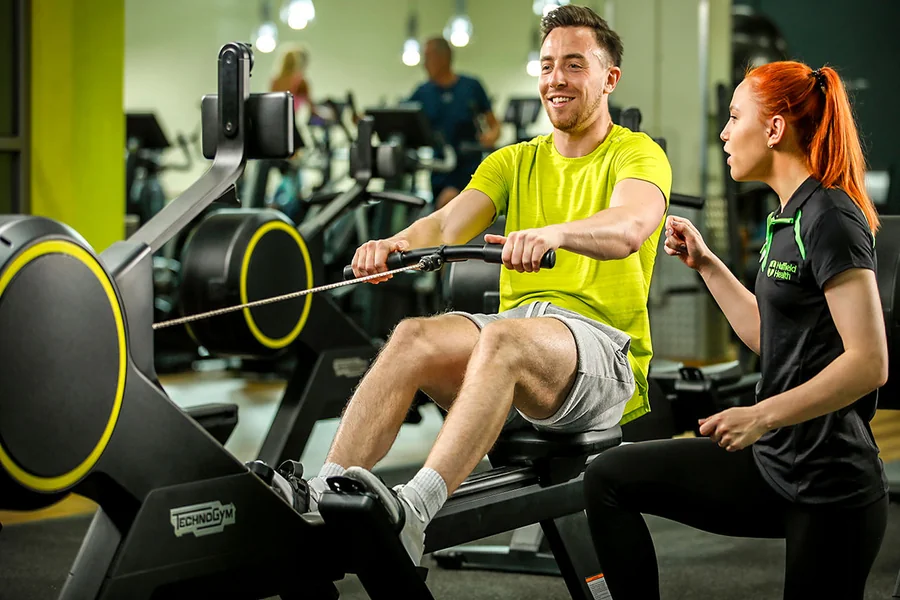
Choosing where to train is about more than finding a room full of equipment. The right place should match your goals, experience, routine, and confidence level. Some people prefer a large gym with plenty of equipment, while others make better progress with close coaching. Understanding these differences can help you make a choice that fits your needs.
A good gym should also make training practical enough to maintain. You may want to improve strength, lose body fat, build fitness, learn correct lifting technique, or prepare for a specific activity. Each goal can call for a slightly different approach. That is why comparing your options before joining can save time and frustration.
Start With Your Main Fitness Goal
Your first step should be deciding what you actually want from training. A beginner who wants to become more confident with weights may need a different setup from someone preparing for a sporting event. Strength, general fitness, weight management, mobility, and performance can all require different training methods.
Write down one or two clear goals before choosing a facility. This gives you something useful to compare when looking at equipment, classes, coaching, and training support. It also makes conversations with trainers much easier because they can understand what you want to achieve.
Compare the Types of Gyms in Derby
The gym Derby options available to local residents can vary a lot. Large health clubs may combine gym equipment with classes, swimming, recovery facilities, and other services. Budget gyms tend to focus more on convenient access and a broad selection of basic training equipment.
Independent studios often take a more coaching focused approach. Some concentrate on strength and conditioning, while others offer small group sessions or one to one training. There are also specialist environments aimed at particular groups or training goals, so the best choice depends on what you value most.
Decide Whether You Need Personal Training
You do not always need a personal trainer to make progress. If you already understand exercise technique, can plan your sessions, and stay consistent, independent training may be enough. A trainer becomes more useful when you need structure, accountability, technique guidance, or a programme built around a specific goal.
A personal trainer Derby service can also be helpful if you are returning to exercise after a long break. Instead of guessing which exercises to perform, you can learn how to use equipment and organise your workouts. The right coach should explain the purpose behind your training rather than simply counting repetitions.
What Should You Look for When Choosing a Personal Trainer?
Qualifications are an important starting point, but they are not the only factor. You should also consider the trainer’s experience, communication style, coaching approach, and understanding of your particular goal. Current guidance from the UK personal training sector also highlights qualifications, experience, and client outcomes as useful points to assess.
Think about whether the trainer listens before suggesting a programme. Someone who asks about your previous experience, preferences, schedule, limitations, and goals is more likely to create a suitable approach. You should also feel comfortable asking questions and saying when an exercise does not feel right.
Check the Training Style Before You Commit
Personal training does not always mean the same thing. Some coaches focus heavily on strength training, while others work more with weight management, general fitness, sports performance, mobility, or conditioning. Derby training providers currently show this range, from one to one coaching to small group strength and performance sessions.
Ask how a typical session works and what happens outside the coached session. A good programme should have a reason behind its exercises and progression. It should also give you enough independence to understand what you can do between sessions.
How Much Does a 1 Hour Personal Training Session Cost?
There is no single price that applies to every trainer. Session costs can differ according to the trainer’s qualifications, experience, location, facilities, session format, and whether you buy individual sessions or a package. Some specialist coaches may also charge differently because their service includes additional assessment or performance support.
Instead of judging a trainer only by the session price, consider what is included. Ask whether you receive programme planning, progress reviews, guidance between sessions, or training recommendations for the rest of the week. A cheaper session may not provide the same level of support as another option.
Is £200 a Month for a Personal Trainer Good Value?
That depends on how often you train and what the monthly arrangement includes. Two people could spend the same amount but receive very different levels of coaching. One package might include regular one to one sessions, while another could involve fewer coached workouts and more independent training.
The better question is whether the service helps you train consistently and move towards a clear goal. If coaching improves your technique, keeps you accountable, and gives your workouts structure, the value may extend beyond the time spent inside a session.
How Many Personal Training Sessions Per Week Are Enough?
There is no universal number that works for everyone. One coached session can be useful when you already train independently and mainly need direction or accountability. Two sessions may suit someone who wants more frequent feedback, while a beginner may benefit from additional guidance when learning unfamiliar movements.
Your recovery and availability matter too. A training plan should leave enough time for rest and independent workouts where appropriate. Current guidance from personal training professionals also stresses that frequency should reflect the person’s goals, experience, schedule, and recovery rather than follow one fixed rule.
General Personal Trainer or Sport Specific Coach?
A general personal trainer is often suitable for common goals such as improving fitness, building strength, managing body composition, or becoming more confident in the gym. A sport specific coach may be more appropriate when your training needs to support a particular sport or performance target.
Is it cheaper to hire a general personal trainer or a sport specific coach? Often, general personal training can be more affordable because highly specialised coaching may involve additional expertise and performance testing. But price should not be the only consideration. Choose the level of expertise that matches what you are actually trying to accomplish.
Look Beyond the Equipment
Equipment matters, but it should not be the only thing you compare. A facility can have plenty of machines and still be a poor fit if you do not enjoy training there. Consider whether the environment feels comfortable, whether the equipment suits your routine, and whether you can train without unnecessary distractions.
The best gym for you is the one you can use consistently. Derby facilities range from large clubs with extensive amenities to smaller independent spaces built around coaching and community.
Think About Support for Beginners
Starting a new training routine can feel confusing when you do not know how to adjust machines, choose weights, or structure a workout. A useful introduction can remove much of that uncertainty. Some gyms provide inductions, while personal trainers can offer more detailed instruction throughout your training.
Do not feel pressured to copy experienced gym users. Start with movements you can perform safely and confidently, then build gradually. Learning good technique early can make independent training much easier later.
Consider Specialist Training When It Makes Sense
Specialist coaching can be useful when your needs are more specific. This could include strength and conditioning, sports performance, training for older adults, postnatal fitness, or other focused areas. Some Derby trainers and clubs already offer specialist approaches alongside general personal training.
You do not need specialist coaching simply because it sounds impressive. If your main goal is general fitness, a skilled general trainer may be all you need. The important thing is matching the coach’s experience with your actual requirements.
Is 40 Too Old to Become a Personal Trainer?
No. Age alone does not prevent someone from becoming a personal trainer. People enter the fitness industry at different stages of life, and previous work or life experience can be useful when working with clients.
If you are considering becoming a trainer, focus on gaining the right qualification and developing practical coaching skills. You also need to keep learning because exercise methods, client needs, and professional standards continue to develop.
Make Your First Conversation Count
Before choosing a trainer, prepare a few simple questions. Explain your main goal, current experience, preferred training style, and anything that could affect your workouts. Then ask how the trainer would approach your situation.
Pay attention to how they respond. A good conversation should leave you with a clearer understanding of what training could look like. You should not feel that you need to commit before you understand the service.
Build a Routine You Can Actually Maintain
A training plan only works when you can follow it over time. Consider when you normally have energy, how often you can realistically train, and whether you prefer independent workouts or coached sessions. Making the routine practical is often more useful than creating an ambitious plan that quickly becomes difficult to maintain.
Consistency also gives you better information about your progress. You can see which exercises are improving, where you need more help, and whether your current approach still matches your goals. That makes future changes much easier.
FAQs
How do I choose the best gym Derby option for me?
Start with your goal, preferred training style, location, equipment needs, and level of support. Then compare facilities that match those priorities rather than choosing based only on size or appearance.
Do I need a personal trainer to use a gym?
No. You can train independently if you understand your exercises and can organise your own routine. A trainer is useful when you want structured guidance, accountability, or help learning technique.
How often should beginners work with a personal trainer?
It depends on experience, goals, recovery, and budget. One session can provide useful direction, while two or more sessions may offer more frequent coaching during the early stages.
What makes a personal trainer Derby service worth considering?
Look for a qualified trainer who understands your goals, communicates clearly, adapts sessions to your needs, and explains why your programme is structured in a particular way.
Should I choose a general trainer or a specialist coach?
Choose based on your goal. General fitness goals usually do not require specialist coaching, while sports performance or a highly specific objective may benefit from a trainer with relevant experience.
Closing Statement
There is no single training environment that suits everyone. Some people want extensive equipment and a wide range of facilities, while others prefer a smaller setting with more direct coaching. Your goals, confidence, routine, and preferred training style should guide the decision.
If you are comparing a gym Derby option with personal coaching, look at the complete experience rather than one feature. The right choice should help you train consistently, understand what you are doing, and make sensible progress over time. A personal trainer Derby option can be especially useful when you want more structure and individual guidance, but the most important factor is finding an approach you can realistically maintain.

Passionate about exploring diverse ideas and sharing inspiration, I curate content that sparks curiosity and encourages personal growth. Join me at ElementalNest.com for insights across a wide range of topics.