
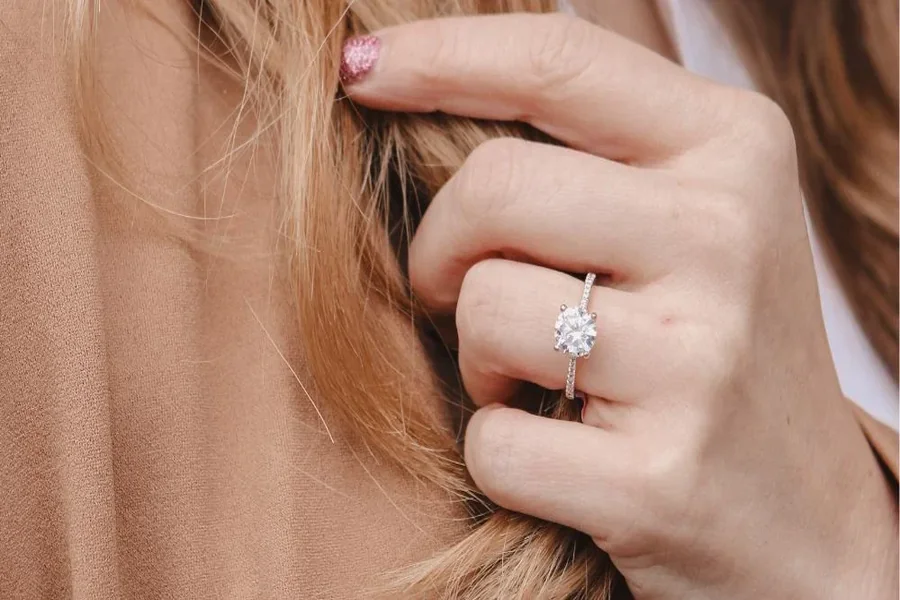
Online jewelry appraisals make it easier to understand the characteristics and potential value of a piece without starting with an in-person visit. They are useful for owners who need documentation, want clearer information, or are deciding how to manage inherited, gifted, or long-held jewelry.
What an Online Jewelry Appraisal Includes
An online appraisal is a professional review based on submitted details, photographs, and supporting information. The appraiser evaluates visible features such as metal type, gemstones, craftsmanship, condition, markings, and comparable market data.
A complete appraisal may include a description of the item, estimated value, assumptions made during review, and the intended purpose of the valuation. The purpose matters because insurance replacement value, fair market value, and resale value can differ significantly.
A Jewelry appraisal online process is often most effective when the owner provides clear images, accurate measurements, and any available purchase records, grading reports, or prior appraisals.
How the Online Process Usually Works
The process begins with gathering information about the jewelry. This usually includes the type of item, metal markings, gemstone details, approximate weight, size, condition, and history if known.
Photos are especially important. Helpful images show the full item, close details, hallmarks, clasps, prongs, settings, and any visible wear. Natural lighting and a plain background can make details easier to assess.
After reviewing the information, the appraiser compares the piece with relevant market references and applies professional judgment. If something cannot be confirmed remotely, the appraisal should clearly state the limitation.
Information That Improves Accuracy
- Clear photos from several angles
- Metal stamps or hallmark images
- Gemstone measurements or grading documents
- Item weight if known
- Condition notes, including damage or repairs
- Receipts, certificates, or previous appraisal documents
When You May Need an Online Jewelry Appraisal
One common reason is insurance. Insurers often need a documented replacement value before adding jewelry to a policy. An updated appraisal can also help when values have changed due to metal prices, gemstone demand, or condition changes.
Another reason is estate planning or inheritance. Families may need a neutral valuation to divide assets, maintain records, or understand what has been passed down. Online review can be a practical first step when several items need sorting.
Appraisals can also support resale decisions. While an appraisal is not a guaranteed selling price, it can help clarify quality, materials, and value category before choosing a selling method.
Appraisal Value Is Not Always Cash Value
Many people expect one value, but jewelry can have several. Insurance replacement value is often higher because it reflects the cost to replace the item with a comparable piece through retail channels.
Fair market value is usually based on what a willing buyer and seller might agree to under ordinary conditions. Resale value may be lower because it depends on buyer demand, selling fees, condition, and how quickly the item must be sold.
Scrap value is different again. It focuses mainly on the precious metal content, not the original design, retail price, or sentimental value. A Scrap Gold Calculator can help estimate melt value when gold content and weight are known.
When an In-Person Review May Still Be Needed
Online appraisals are helpful, but they have limits. Certain gemstones, treatments, antique details, and complex settings may require laboratory testing or physical inspection. This is especially true when authenticity, origin, or treatment status affects value.
An in-person examination may also be necessary when photos are unclear, metal marks are missing, stones are loose, or the item appears unusually rare. A careful online report should identify these situations instead of overstating certainty.
Practical Tips Before Submitting Jewelry for Review
Start by cleaning the item gently, if appropriate, so details are visible. Do not use harsh chemicals or abrasive methods, especially on pearls, opals, antique pieces, or delicate settings.
Measure the jewelry carefully and note any known repairs, missing stones, bent prongs, or worn areas. Accurate condition details help prevent unrealistic expectations and support a more useful valuation.
Keep copies of all documents in one place. Receipts, grading reports, prior appraisals, and family notes can provide helpful context, even if the current valuation relies on updated market information.
Choosing the Right Type of Valuation
The best appraisal depends on the reason for valuation. Insurance, estate records, resale planning, and scrap assessment each require a different perspective. Understanding that difference helps make the report more useful and easier to interpret.
Online jewelry appraisals work best as a structured, information-based review. With clear photos, accurate details, and realistic expectations, they can provide practical insight into what jewelry is, how it may be valued, and when further examination is worthwhile.

Passionate about exploring diverse ideas and sharing inspiration, I curate content that sparks curiosity and encourages personal growth. Join me at ElementalNest.com for insights across a wide range of topics.