
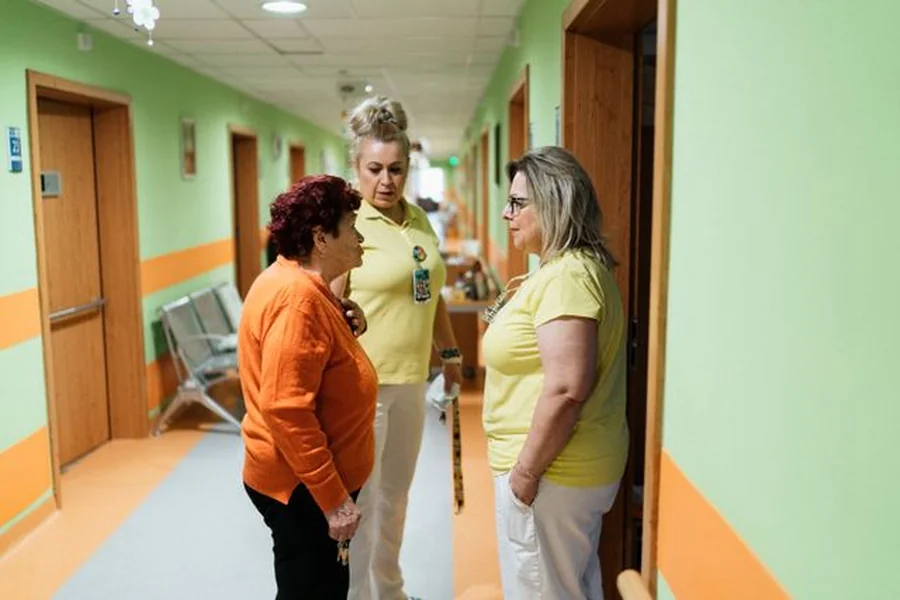
When you or a loved one begins exploring housing options for the next chapter of life, active independent living communities can offer an appealing combination of freedom, convenience, and social connection. These communities are designed for older adults who want to maintain their independence while enjoying access to amenities, services, and opportunities for engagement. Understanding what these communities provide can help you determine whether they align with your lifestyle preferences and future goals.
Housing Options and Residential Layouts
Active independent living communities typically offer a variety of residence styles designed to accommodate different needs and preferences. Depending on the community, residents may choose from apartments, cottages, or townhomes that provide private living spaces without the additional support services associated with assisted living.
These residences often feature modern kitchens, accessible floor plans, ample storage, and easy-to-maintain designs. Many communities offer single-level layouts and other accessibility features that support comfort and convenience. Residents enjoy the privacy of their own living space while also benefiting from a larger community environment.
Community grounds are usually professionally maintained and may include walking paths, landscaped outdoor areas, patios, and gathering spaces that encourage residents to enjoy time outdoors and connect with neighbors.
Social Activities and Community Programming
One of the most appealing aspects of active independent living is the wide variety of programs and events available to residents. Communities often employ life enrichment or lifestyle professionals who organize activities that support social, intellectual, and recreational interests.
Residents may enjoy:
- Fitness and wellness classes
- Educational presentations
- Book clubs
- Art and creative workshops
- Card and game groups
- Live entertainment
- Local outings and excursions
- Volunteer opportunities
Beyond scheduled events, many residents form friendships naturally through shared interests and everyday interactions. Community lounges, cafés, libraries, and outdoor gathering spaces often become popular places for casual conversations and social connection.
The goal is not to fill every moment of the day but to provide opportunities for residents to participate as much or as little as they choose.
Amenities and Support Services
Active independent living communities often provide a range of amenities designed to simplify daily life while enhancing overall enjoyment. These may include:
- Fitness centers
- Swimming pools
- Restaurants and dining venues
- Coffee bars and cafés
- Libraries
- Game rooms
- Beauty salons or barber services
- Computer centers
- Outdoor recreational spaces
For older adults seeking a lifestyle that combines convenience, social opportunities, and engaging amenities, Active Independent Living in San Antonio offers Independent Living with resident-focused programming, modern accommodations, and a variety of amenities designed to support an engaging and fulfilling lifestyle.
Many communities also provide optional services such as housekeeping, transportation, concierge assistance, and maintenance support. These services help residents spend less time managing household tasks and more time enjoying their interests and social connections.
Financial Considerations and Community Management
Before selecting a community, it is important to understand its pricing structure. Some active independent living communities operate on a rental model with monthly fees, while others may include entrance fees or ownership options.
Prospective residents should ask for a detailed breakdown of costs, including optional services and any anticipated fee increases. Transparency helps residents and families make informed decisions and plan appropriately for the future.
Communities are typically overseen by professional management teams responsible for operations, resident services, maintenance, and community programming. Many communities also encourage resident participation through advisory groups or resident councils that provide feedback and help shape community life.
Health and Safety Features
Although active independent living communities are not healthcare settings, they often incorporate features that support resident safety and peace of mind.
Common features may include:
- Accessible building designs
- Well-lit walkways
- Emergency response systems
- Secure building access
- Fire safety systems
- Routine property maintenance
These communities are designed to support independence while providing an environment where residents can feel comfortable and confident. The focus remains on promoting freedom and personal choice while ensuring residents have access to assistance during unexpected situations.
A Lifestyle Focused on Choice and Independence
Perhaps the most important aspect of active independent living is the emphasis on personal choice. Residents can create daily routines that reflect their interests, preferences, and goals. Some residents enjoy busy social calendars filled with activities and outings, while others prefer quieter days focused on hobbies, reading, or spending time with family and friends.
The community environment simply provides opportunities, amenities, and conveniences that make these choices easier to pursue.
Conclusion
Active independent living communities offer private residences, engaging programs, convenient amenities, and supportive services that help simplify daily life while preserving autonomy and personal choice. Residents benefit from maintenance-free living, opportunities for social connection, and environments designed to support comfort and convenience.
For many older adults, active independent living provides the ideal balance between independence and community, creating a lifestyle centered on engagement, flexibility, and quality of life.

Passionate about exploring diverse ideas and sharing inspiration, I curate content that sparks curiosity and encourages personal growth. Join me at ElementalNest.com for insights across a wide range of topics.