
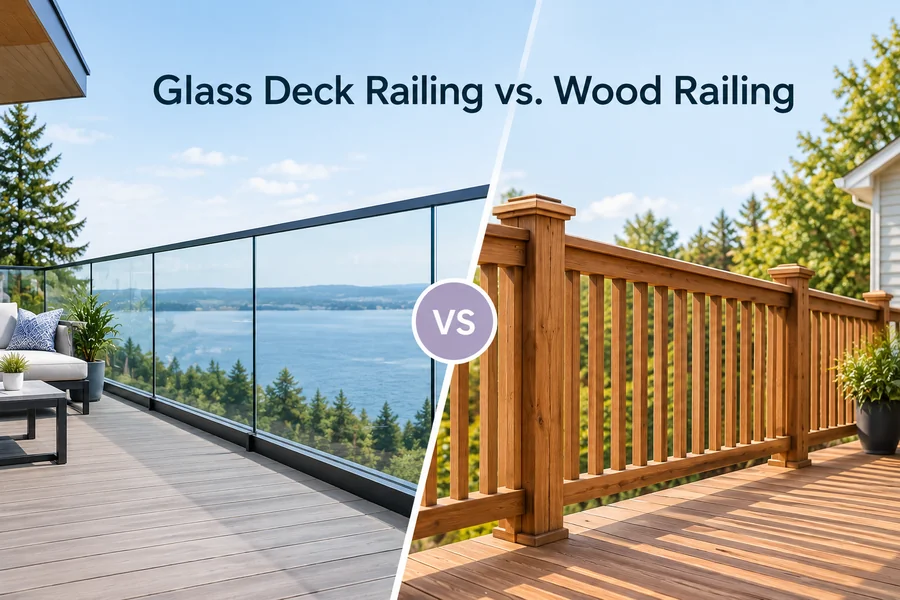
A deck railing is more than a safety feature. It also influences the appearance, comfort, and maintenance needs of an outdoor living space. Whether you are building a new deck or upgrading an existing one, choosing between glass and wood railing can affect both the initial budget and long-term upkeep.
Glass deck railings are often chosen for their clean appearance and ability to preserve surrounding views, while wood railings offer a traditional look with natural warmth. Both options can suit different homes and outdoor layouts, but their costs, maintenance requirements, and design characteristics vary.
Understanding these differences can help homeowners select a railing that matches their property, lifestyle, and budget.
Why the Railing Material Matters
The railing material affects how a deck looks and how much attention it needs over time. A design that complements the home’s architecture can make an outdoor space feel more connected to the rest of the property.
Glass is often preferred for contemporary homes, elevated decks, and properties with attractive views. Wood may appeal to homeowners who prefer traditional designs, natural textures, or a classic cottage-style appearance.
Before making a decision, consider the deck’s location, weather exposure, intended use, and the amount of maintenance you are comfortable performing.
Glass Deck Railing vs. Wood Railing: Understanding the Cost
The total cost of a deck railing depends on several factors, including material quality, deck dimensions, design complexity, installation requirements, and labour.
Glass Deck Railing Costs
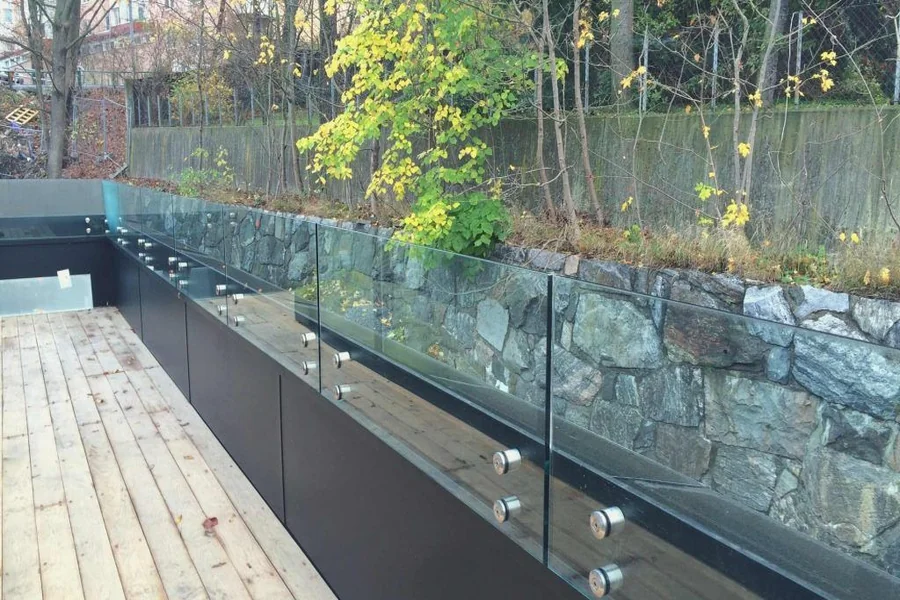
Glass railing costs depend on the glass specifications, mounting system, supporting hardware, and installation method. Frameless systems may require different components and installation considerations than systems with visible posts.
The deck’s layout and mounting surface can also influence the overall project cost. For an accurate comparison, homeowners should request an estimate that includes glass panels, hardware, installation, and any required structural preparation.
Wood Deck Railing Costs
Wood railing costs vary according to the type of wood, railing design, finish, and labour involved. Simple designs may have different costs from decorative or custom-built railings.
The initial material price is only one part of the budget. Homeowners should also consider the cost of cleaning, staining, sealing, or repainting when these treatments are needed.
Which Option Offers Better Long-Term Value?
Neither material is automatically the more economical choice for every project. Glass may involve a higher initial investment in some designs, while wood can require recurring expenses for protective finishes and upkeep.
The best way to compare value is to evaluate the initial installation cost alongside expected maintenance, the desired appearance, and the intended service life of the complete railing system.
Maintenance Requirements: Glass vs. Wood
Maintenance is an important consideration for outdoor decks exposed to rain, sunlight, dust, and changing temperatures.
Maintaining Glass Deck Railings
Glass railings generally need regular cleaning to remove fingerprints, dust, water spots, and other outdoor residue. Cleaning frequency depends on the environment and how exposed the deck is to the elements.
The supporting hardware, mounting points, and connections should also be inspected periodically. Following the manufacturer’s care recommendations can help maintain the railing’s appearance and identify potential issues.
Maintaining Wood Deck Railings
Wood railings may require more frequent attention to preserve their appearance. Depending on the wood species and finish, maintenance can include cleaning, staining, sealing, or repainting.
Sunlight and moisture can affect the finish over time. Regular inspections can help homeowners identify splintering, deterioration, or loose connections before these issues become more serious.
The key difference: Glass mainly requires cleaning and hardware inspections, while wood may also need periodic protective treatments. Actual maintenance needs depend on the materials, finish, exposure, and installation quality.
Appearance and Design: Which Railing Suits Your Home?
Both materials offer different design possibilities, so the right choice depends on the appearance you want to achieve.
Glass Railings for Modern Outdoor Spaces
Glass deck railings create a streamlined appearance and allow surrounding views to remain visible. They can work especially well on decks overlooking gardens, forests, waterfronts, or open landscapes.
Their transparent design can also reduce visual barriers, helping smaller outdoor spaces feel more open. Glass complements contemporary architecture and pairs well with wood decking, stone, metal, and composite materials.
Wood Railings for a Natural, Traditional Look
Wood railings provide a warm appearance and visible texture. They can complement traditional homes, rustic properties, and cottages where natural materials are part of the overall design.
Wood can also be painted or stained in different colours to coordinate with the deck and exterior finishes. However, maintaining that appearance may require periodic refinishing.
Durability in Different Weather Conditions
Outdoor railing materials must be suitable for their environment. Rain, snow, sunlight, wind, and seasonal temperature changes can influence the condition of the railing and its supporting components.
Glass railing systems require appropriate safety glass, compatible hardware, suitable structural support, and correct installation. Hardware should be selected according to the intended application and environmental exposure.
Wood railing performance depends on the wood species, protective finish, construction quality, and maintenance routine. Moisture management and regular inspections are important considerations for outdoor wood installations.
For homes in Canada and the northern United States, homeowners should consider local climate conditions when selecting materials and planning maintenance. Product suitability and installation requirements should be confirmed for the specific project.
Safety and Installation Considerations
Both glass and wood railings must meet the applicable safety and building requirements for their intended use.
For glass systems, homeowners should confirm the required glass specifications, compatible mounting hardware, railing height, and structural support. The selected installation method must suit the deck or balcony structure.
Wood railings also require secure posts, properly connected rails, and appropriate structural support. Loose, damaged, or deteriorating components should be addressed promptly.
Before installation, check local building codes and any requirements that apply to elevated decks, balconies, stairs, and other specific applications. Professional guidance can help ensure the selected system suits the project.
Glass Deck Railing vs. Wood Railing: Comparison Table
| Feature | Glass Deck Railing | Wood Deck Railing |
| Wood Deck Railing | Modern, clean, and transparent | Traditional, warm, and natural |
| Views | Preserves views with fewer visual obstructions | Posts and rails may interrupt views |
| Natural light | Allows light to pass through | Solid components can create more visual obstruction |
| Initial cost | Depends on glass, hardware, and installation | Depends on wood type, design, and labour |
| Maintenance | Regular cleaning and hardware inspections | May require cleaning, staining, sealing, or painting |
| Design options | Frameless, post-supported, and different mounting styles | Different wood types, shapes, colours, and finishes |
| Weather considerations | Requires suitable glass, hardware, and installation | Requires suitable wood, finish, and moisture management |
| Privacy | Clear glass provides limited visual privacy | Privacy depends on the railing’s design and spacing |
| Best suited for | Modern designs and view-focused outdoor spaces | Traditional, rustic, and natural design styles |
Actual costs, durability, and maintenance requirements vary according to product selection, installation quality, climate, and project conditions.
Which Railing Is Right for Your Deck?
The best choice depends on your priorities and how you plan to use the outdoor space.
Glass deck railing may be a suitable option if you want to preserve views, create a contemporary appearance, and reduce visual interruptions. It can be particularly appealing for elevated decks, balconies, and properties where the surrounding landscape is a key feature.
Wood railing may be the better fit if you prefer a traditional appearance, natural texture, or a finish that can be customized with paint or stain. You should also be prepared for the maintenance appropriate to the chosen wood and finish.
Before making a final decision, compare complete project estimates, review installation requirements, and consider the long-term maintenance involved with each material.
Explore Glass Railing Solutions from RF Transparent
Selecting a deck railing involves balancing design preferences, maintenance, safety, and budget. Glass railing systems offer an option for homeowners who want a modern outdoor appearance while keeping surrounding views visible.
RF Transparent offers glass railing systems, glass panels, and railing hardware for different project applications. Homeowners, contractors, and designers can explore available options and consider which components suit their deck layout, mounting requirements, and preferred style.
A well-planned railing can complement the outdoor space while meeting the structural and safety requirements of the project.
Frequently Asked Questions
Is glass deck railing more expensive than wood railing?
Costs depend on the materials, design, hardware, installation, and project size. Comparing complete estimates provides a more useful picture than comparing material prices alone.
Does glass deck railing require less maintenance than wood?
Glass generally needs routine cleaning and hardware inspections. Wood may also require staining, sealing, or repainting, depending on the material and finish.
Which railing provides better views?
Glass railings generally preserve views more effectively because transparent panels create fewer visual obstructions.
Are glass deck railings suitable for Canadian weather?
They can be suitable when the glass, hardware, mounting system, and installation method are selected for the local conditions and applicable requirements.
Can wood deck railings be customized?
Yes. Wood railings can be customized through different designs, wood types, paint colours, and stains, although some finishes require periodic maintenance.
Which railing is better for a modern home?
Glass often complements contemporary architecture, while wood can suit traditional or modern homes depending on its design and finish.
What should I consider before installing a deck railing?
Consider the total budget, appearance, maintenance needs, weather exposure, structural support, installation method, and applicable building requirements.

Passionate about exploring diverse ideas and sharing inspiration, I curate content that sparks curiosity and encourages personal growth. Join me at ElementalNest.com for insights across a wide range of topics.