
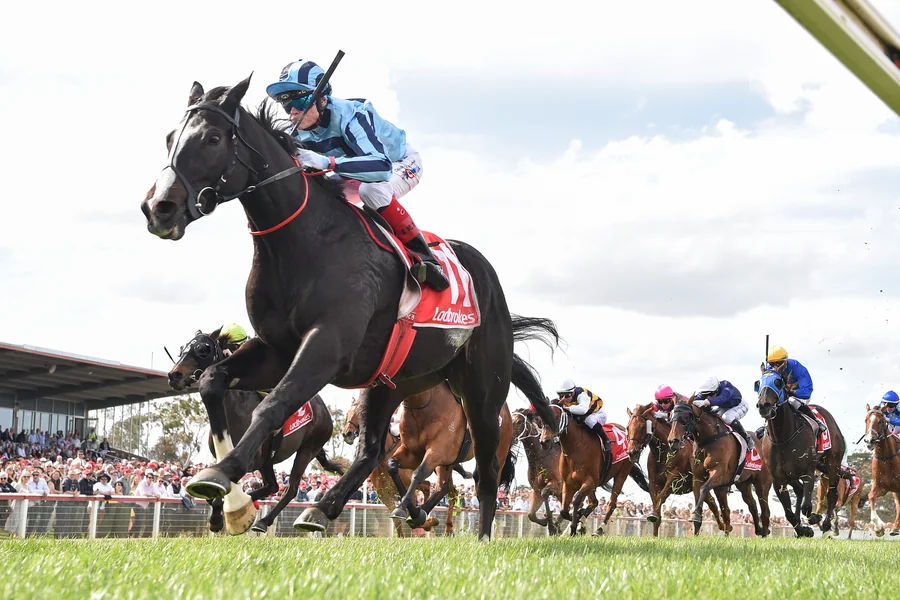
Preparing a horse for the Melbourne Cup’s 3200 metres involves more than gradually increasing racing distances. Trainers use lead-up races to develop fitness, assess stamina and determine whether a runner can sustain its performance over a longer journey. When you examine a Melbourne Cup campaign, the progression between distances can reveal important details about a horse’s readiness that finishing positions alone might not show.
Shorter Races Build Fitness Before Stamina
Early spring starts over 1600m to 2000m allow horses to develop race fitness before tackling more demanding distances. These races help trainers assess how comfortably a horse maintains its rhythm, responds to changes in pace and finishes under competitive conditions.
When reviewing the Melbourne Cup and Spring Carnival betting guide and race information, you can place these shorter lead-up performances within a horse’s broader preparation. A runner finishing strongly over 2000m may be progressing well, although that performance does not automatically establish its ability to cover another 1200m.
The 2400m Distance Tests Staying Potential
Stepping up to 2400m provides a more substantial examination of stamina. Established Melbourne Cup lead-ups, including the Caulfield Cup and Geelong Cup, allow trainers to observe how horses handle sustained racing beyond conventional middle distances.
You should pay particular attention to how a horse finishes rather than relying exclusively on its placing. A runner that maintains momentum through the final 400m may demonstrate promising staying ability, especially after racing at a genuine tempo. However, performing strongly over 2400m still leaves an additional 800m to negotiate at Flemington, making the quality of the finishing effort particularly relevant.
The 2500m Distance Extends the Stamina Test
Lead-up races over 2500m, including the Moonee Valley Gold Cup, provide another opportunity to evaluate endurance without requiring horses to complete the Melbourne Cup distance beforehand. The additional ground helps trainers assess whether a runner can conserve energy throughout a longer contest while retaining enough acceleration for the finish.
When assessing these performances, consider whether the horse travelled comfortably throughout the race or required considerable effort to maintain its position. A runner that finishes steadily despite sustained pressure may show useful staying characteristics. Conversely, one that weakens noticeably late could raise questions about its capacity to handle a further 700m.
Race Spacing Influences Recovery and Readiness
The timing between lead-up races is another important consideration. In 2026, the Caulfield Cup takes place 17 days before the Melbourne Cup, while the Moonee Valley Gold Cup is scheduled just 10 days beforehand. These intervals give trainers different opportunities to balance recovery with maintaining competitive fitness.
Recovery also involves physiological changes that may persist beyond race day. A 2025 Australian study involving 75 Thoroughbreds found that a marker of oxidative stress remained elevated for at least eight days after racing, with higher pre-race levels associated with poorer finishing positions. Although the findings do not establish an ideal interval between starts, they highlight why you should assess recovery time alongside previous racing workloads and training programmes rather than assuming that more recent racing automatically indicates better preparation.
Race Tempo Determines How Distances Are Experienced
Two races over identical distances can impose very different physical demands. A slowly run 2400m contest may develop into a short finishing sprint, whereas a consistently strong pace can test endurance much earlier.
Examining sectional times, which measure how quickly horses complete individual portions of a race, helps you understand those differences. A horse that settles comfortably before sustaining its effort through the closing stages may offer stronger evidence of stamina than one benefiting from a particularly slow early pace. The way a runner distributes its energy matters alongside the total distance covered.
The Right Preparation Is More Than Distance Alone
Melbourne Cup preparation depends on how effectively each lead-up distance contributes to a horse‘s overall readiness for 3200m. Shorter races develop competitive fitness, longer contests examine stamina, and carefully planned intervals allow trainers to manage recovery. When you consider distance progression alongside race tempo, finishing strength and time between starts, you gain a clearer understanding of how different preparation programmes can produce horses ready for Flemington’s demanding staying test.

Passionate about exploring diverse ideas and sharing inspiration, I curate content that sparks curiosity and encourages personal growth. Join me at ElementalNest.com for insights across a wide range of topics.